Conveyor components are selected around chain, load and environment
Plastic sprockets and functional molded parts are widely considered where corrosion, noise, weight or product contact makes engineering plastics attractive. The correct choice depends on the chain series, tooth count, shaft interface, conveyed load, speed and contamination or washdown conditions.
For a replacement sprocket, provide the chain designation and the existing bore/hub geometry. For a new conveyor, include shaft spacing, chain layout and the expected operating duty.
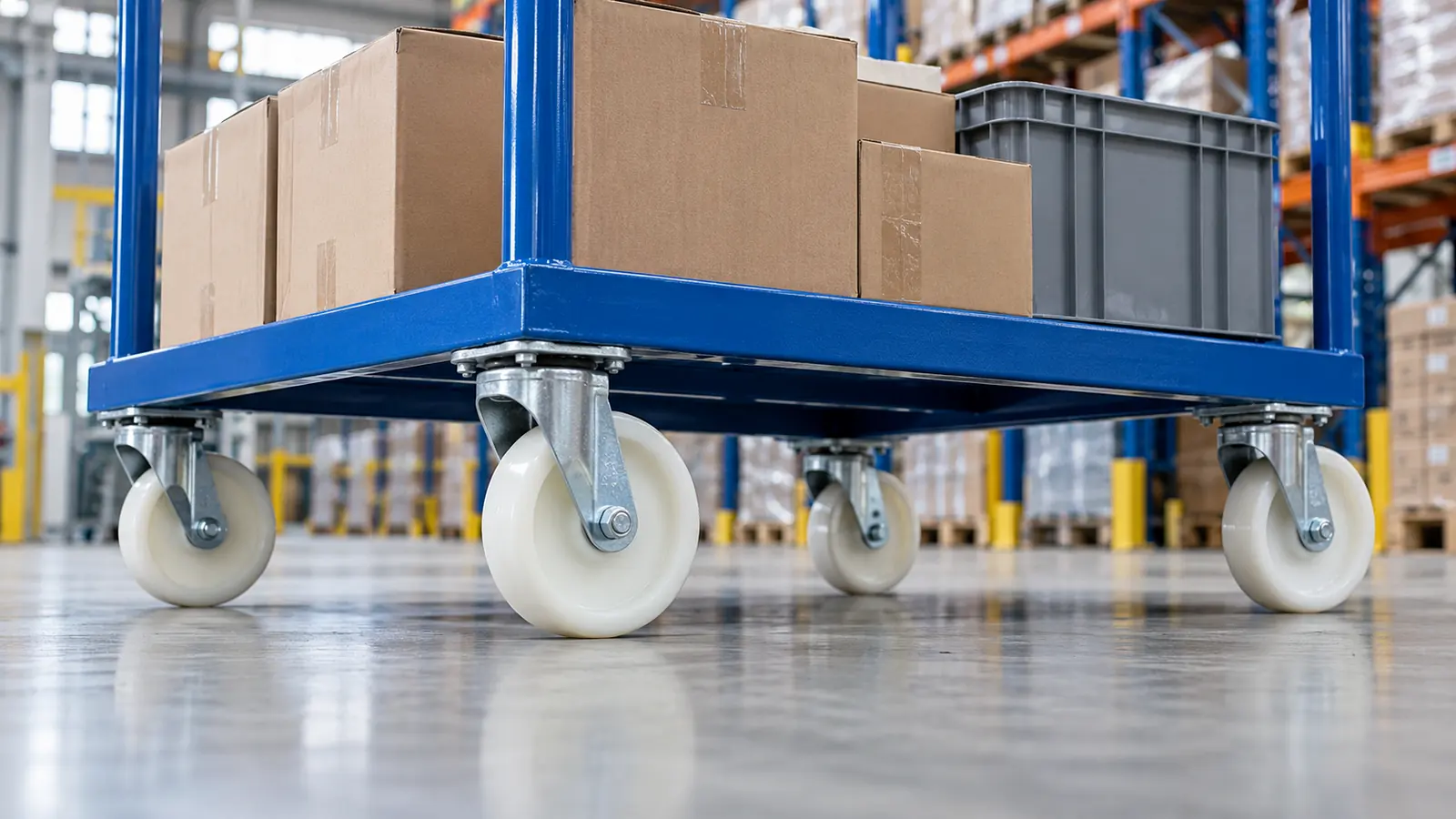
Conveyor RFQ inputs
- Chain series or exact chain dimensions
- Tooth count and sprocket pitch diameter requirements
- Bore, keyway, set-screw or hub interface
- Single or multiple-strand layout
- Load, speed, duty cycle and cleaning environment
- Required interchangeability with an existing part
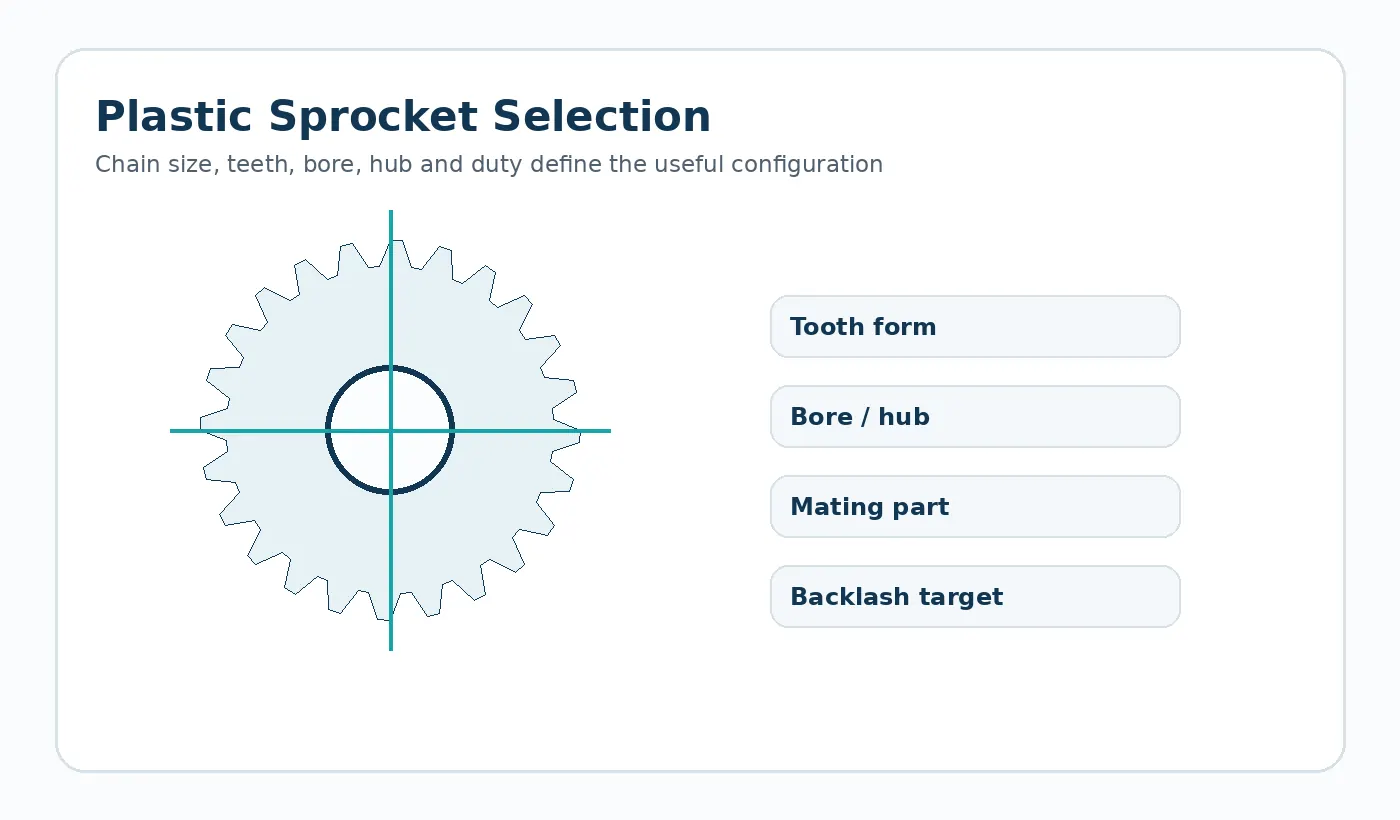
Chain and shaft alignment set the baseline
A plastic sprocket cannot compensate indefinitely for an elongated chain or shafts that are not parallel. Before changing material, inspect chain condition, guide alignment and tensioning method. Side wear concentrated on one face is often a sign that the chain path itself needs attention.
For new conveyor layouts, specify strand count and how the sprockets are located laterally on the shaft. Multi-strand systems need consistent spacing across the drive and idler positions.
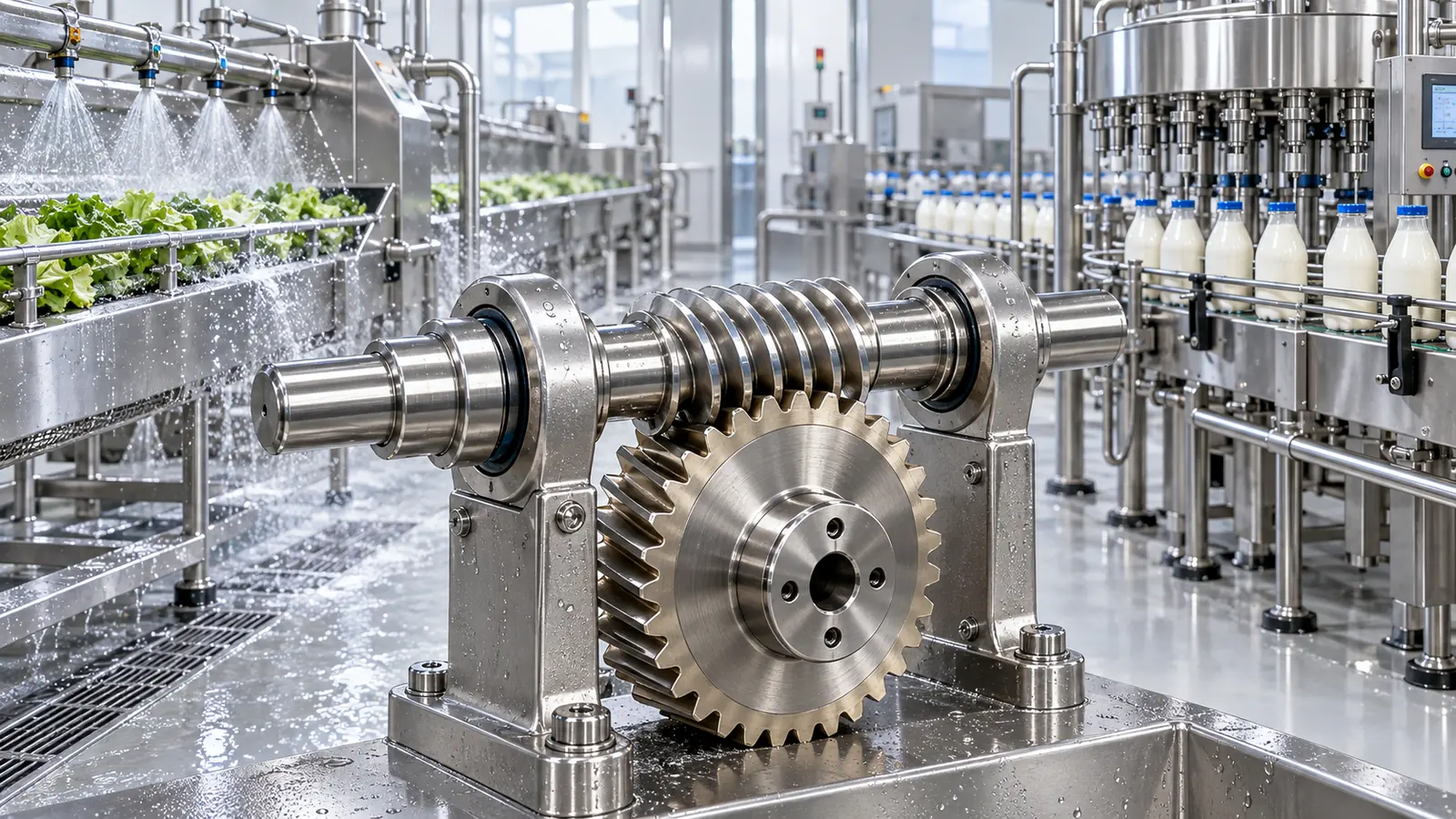
Environment changes polymer selection
Washdown water, detergents, abrasive dust or elevated product temperature can alter the preferred material. A resin that performs well in a clean dry conveyor may not be appropriate in a chemically cleaned line.
Describe the exposure and cleaning schedule in the RFQ. If the component contacts product or packaging directly, state any applicable material or regulatory requirement rather than assuming it from the application name.
Replacement sprocket information
- Chain manufacturer/series or verified chain dimensions
- Tooth count and strand arrangement
- Bore, keyway, set-screw and hub geometry
- Shaft spacing and tensioning method
- Existing wear pattern or failure mode
- Cleaning, contamination and operating temperature