Angebot anfordern

Injection Molded Parts Engineering Blog

Technical articles for selecting, specifying and buying functional plastic parts without turning every decision into a generic checklist.

Technical articles for plastic component decisions

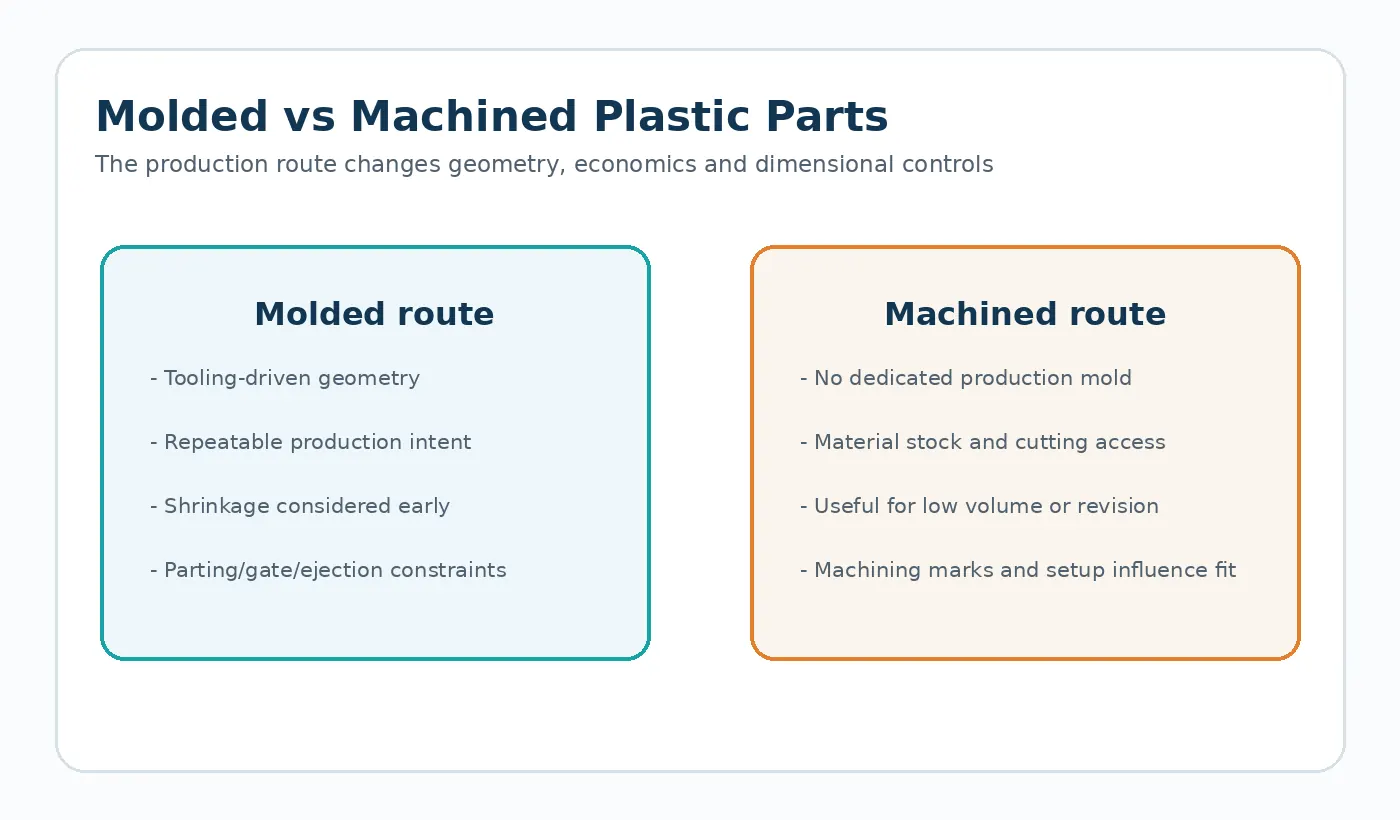
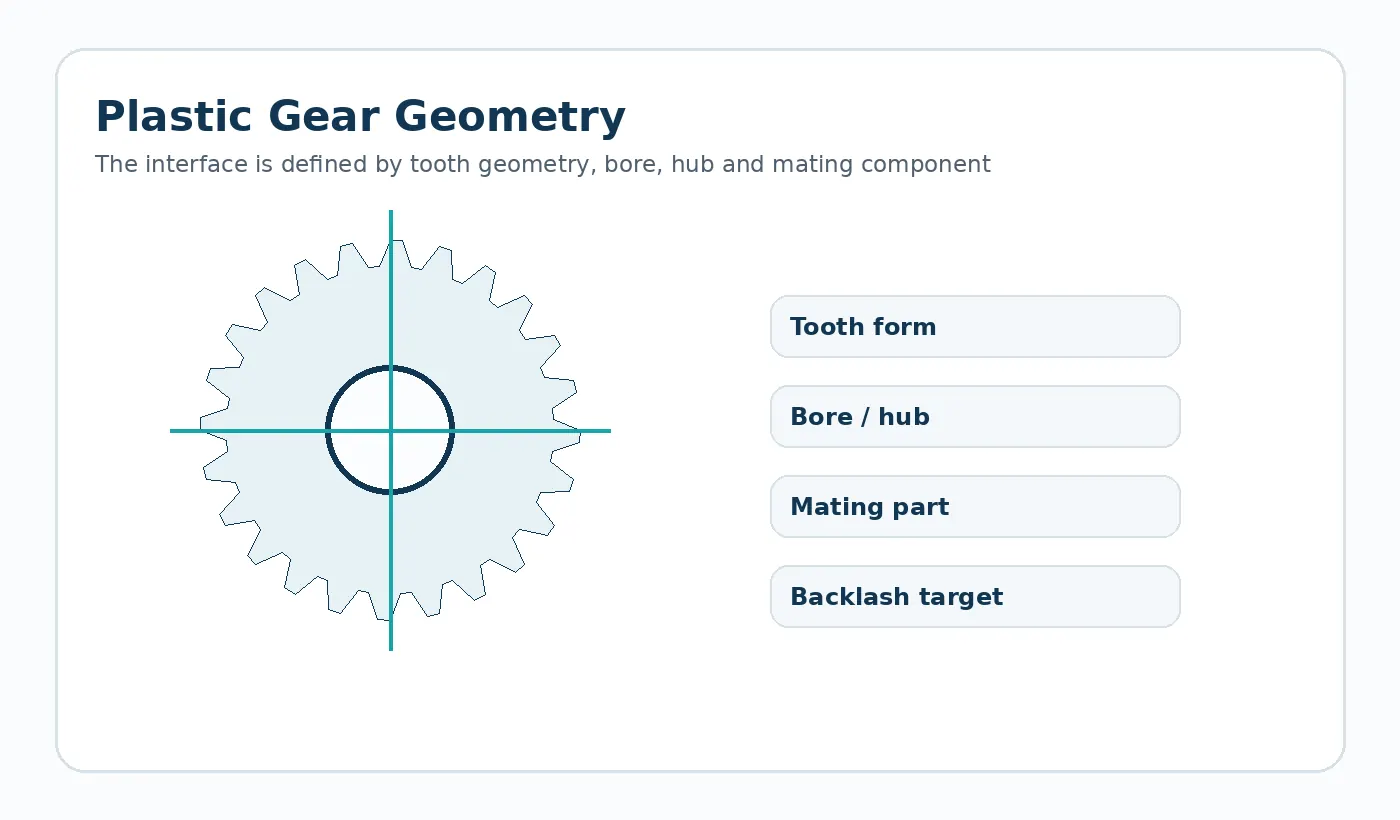
The article library focuses on questions that appear during design, supplier selection and production release: molding versus machining, resin choice, plastic gear geometry, tolerance strategy, sprocket selection, DFM and RFQ preparation.

Use an article to understand the decision variables, then return to the relevant product page when you are ready to define a project.
Engineering article library for plastic components

Latest Technical Articles

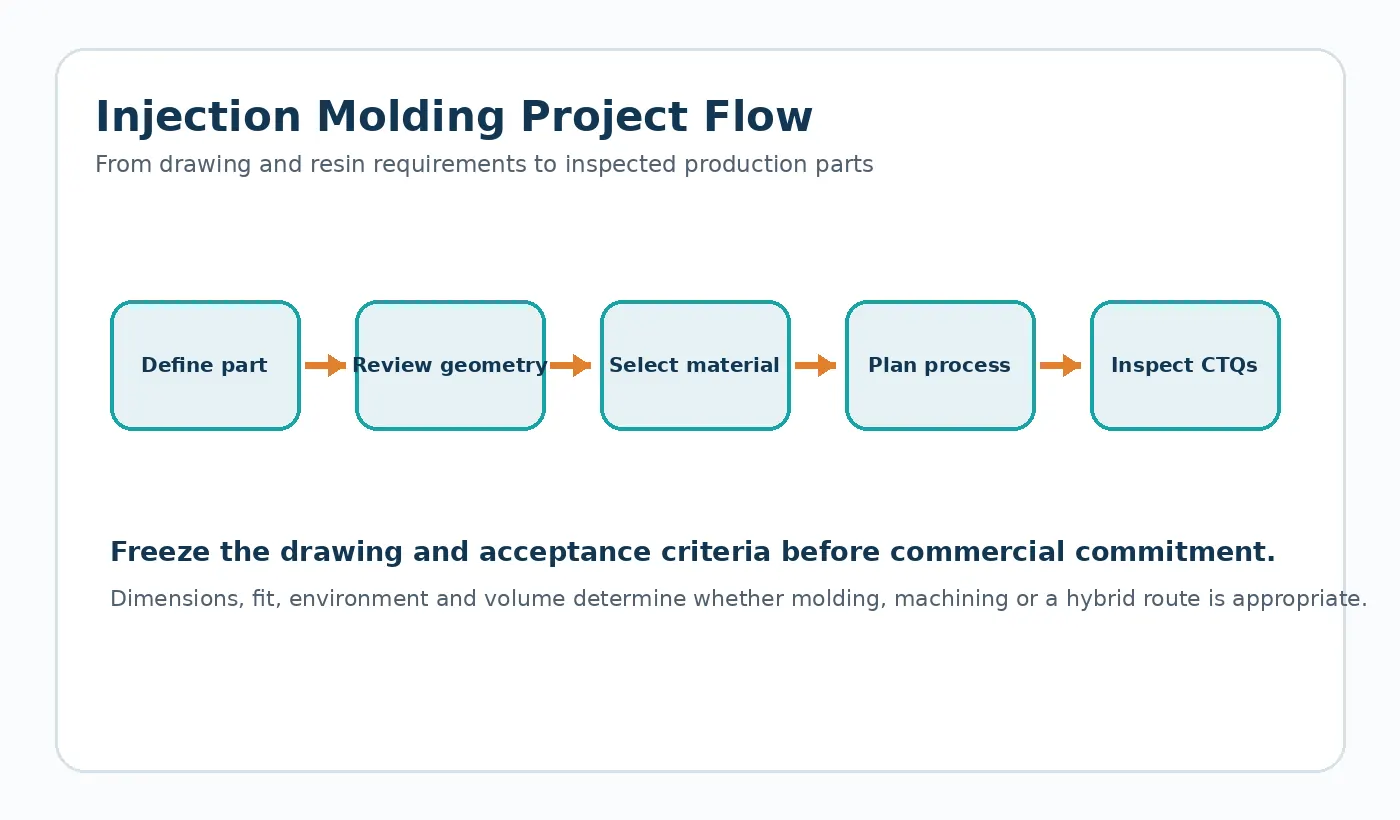
Injection Molding DFM Checklist
Engineering guide

Injection Molding DFM Checklist

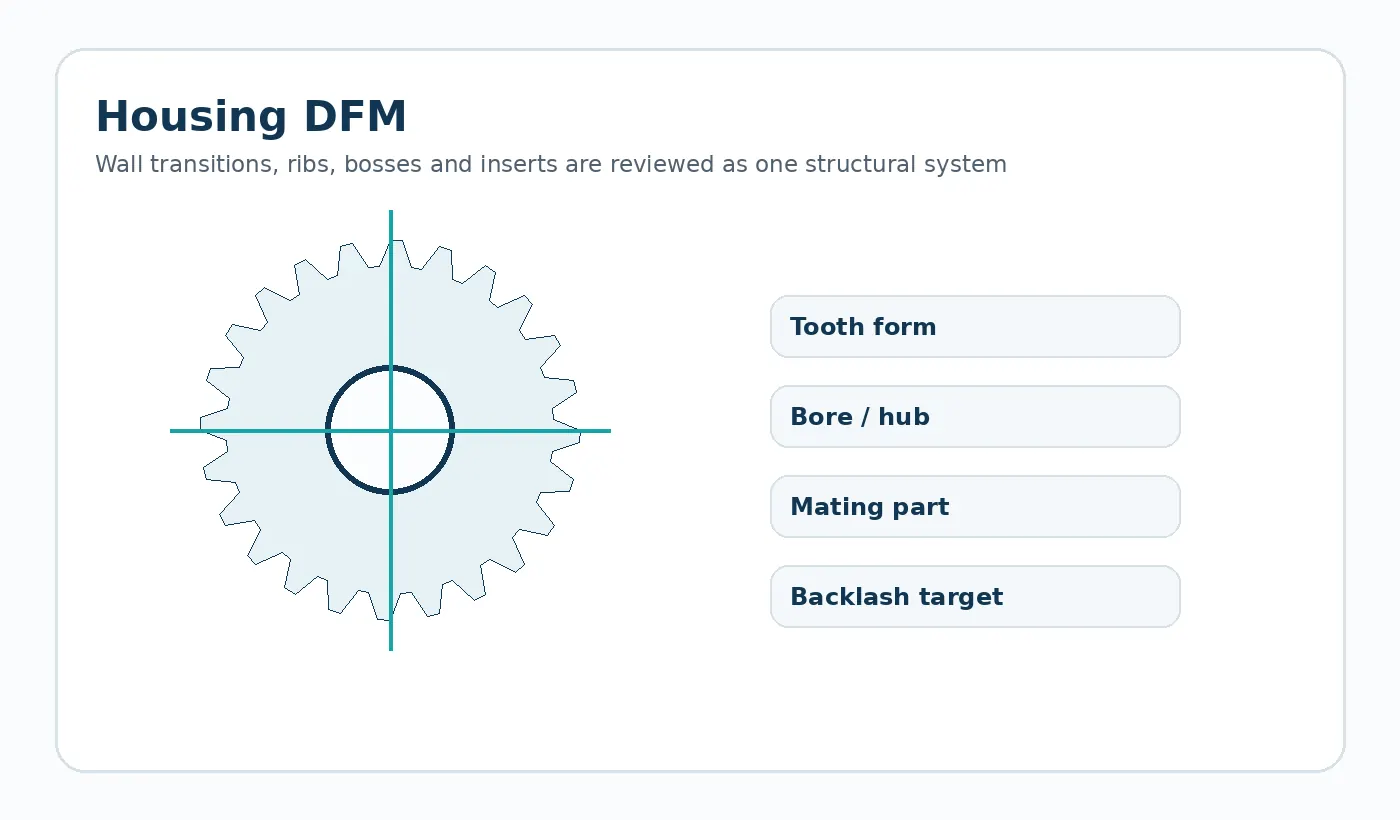
Frame the problem correctlyA DFM review should expose geometry that affects tooling, filling, cooling, ejection and inspection before steel is committed.The goal is not to…

Read guide
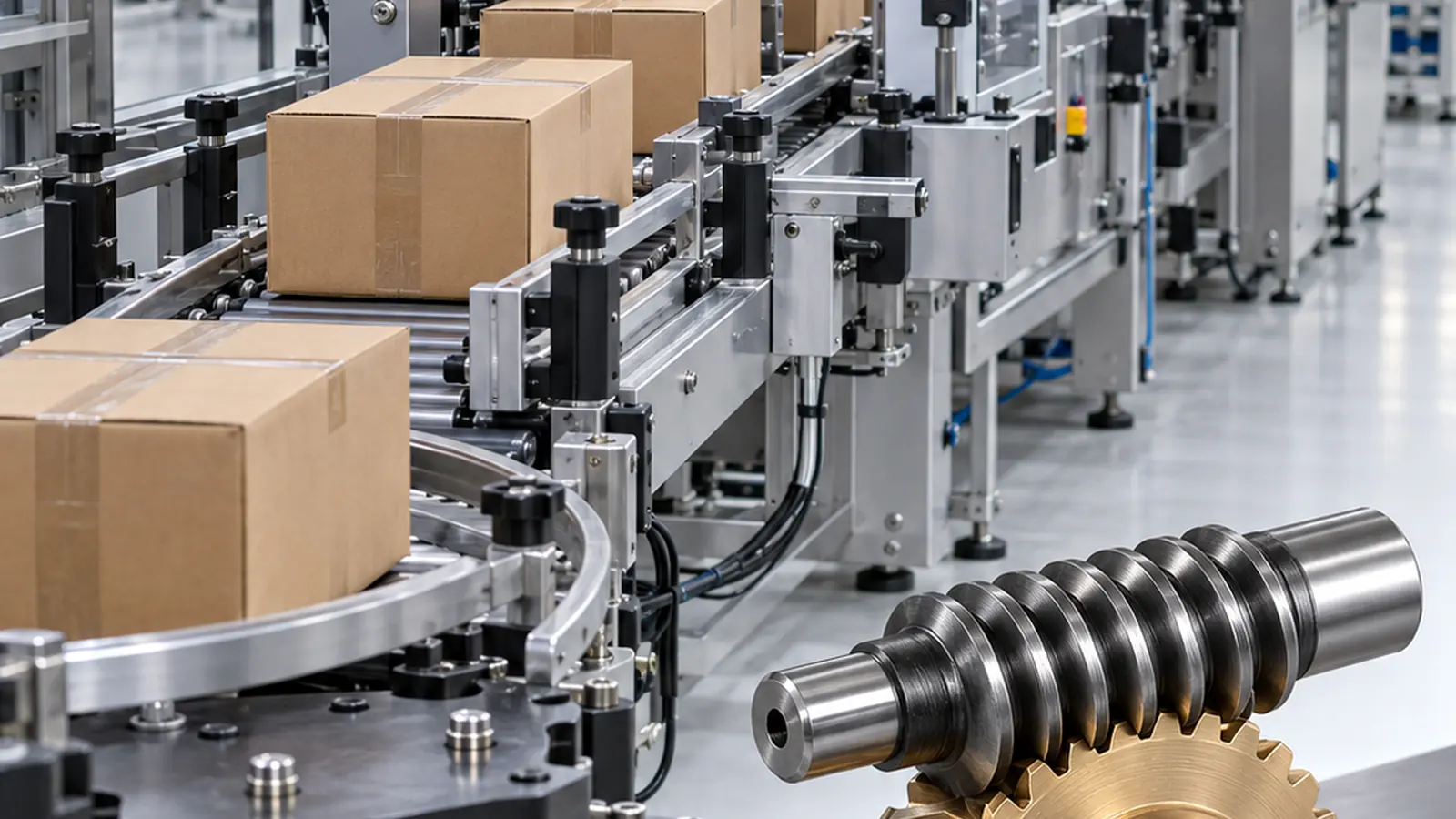
Plastic Drive Components for Conveyors
Engineering guide

Plastic Drive Components for Conveyors

Engineering contextConveyor drive components see continuous alignment, contamination and wear conditions that should be defined before material selection.Plastic sprockets, gears and guides may be attractive…

Read guide
Plastic Gears for Packaging Machinery
Engineering guide

Plastic Gears for Packaging Machinery

Frame the problem correctlyPackaging machines combine repeated cycling with tight timing and compact layouts.Plastic gears can be useful in feeders, indexing modules and adjustment mechanisms…

Read guide
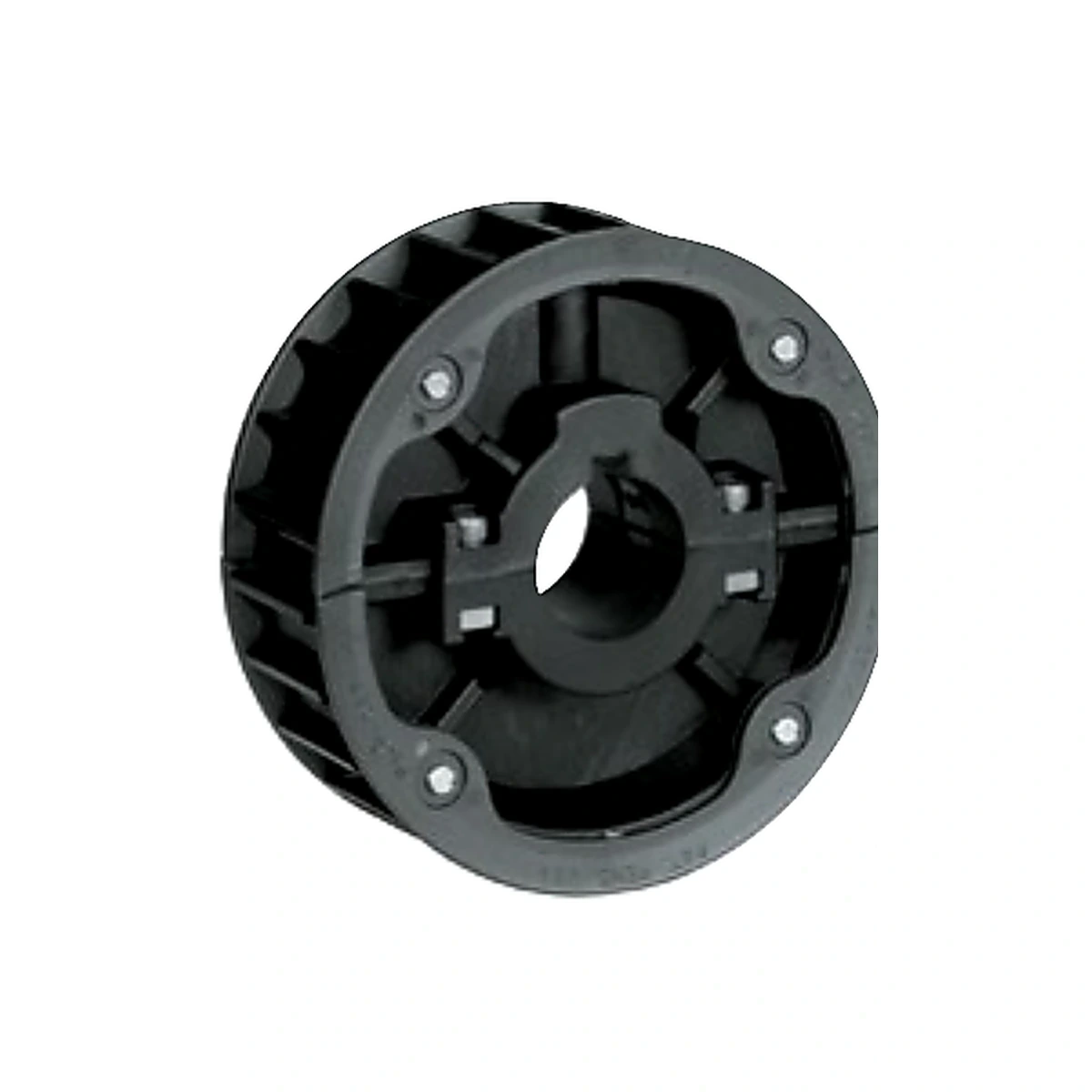
Plastic Sprocket Selection Guide
Engineering guide

Plastic Sprocket Selection Guide

Decision firstPlastic sprocket selection starts with the exact chain geometry.Chain series, strand count, tooth count and shaft connection define the sprocket before material is considered.…

Read guide
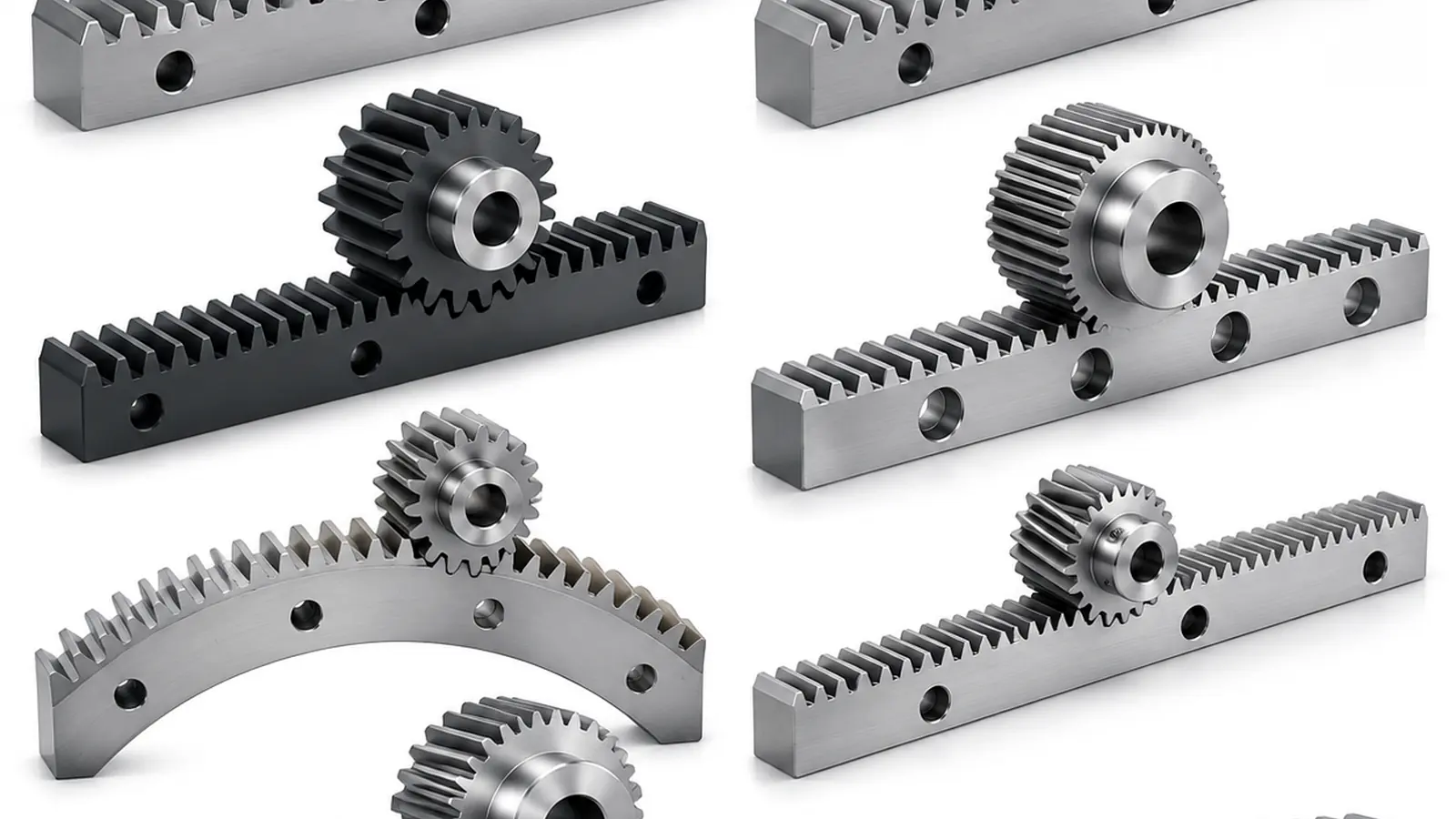
Plastic Gear Rack Design for Automation
Engineering guide

Plastic Gear Rack Design for Automation

Engineering contextAutomation racks should be designed around the motion profile and installation support.Rapid reversals, long travel and positioning requirements can expose rack joint, straightness and…

Read guide
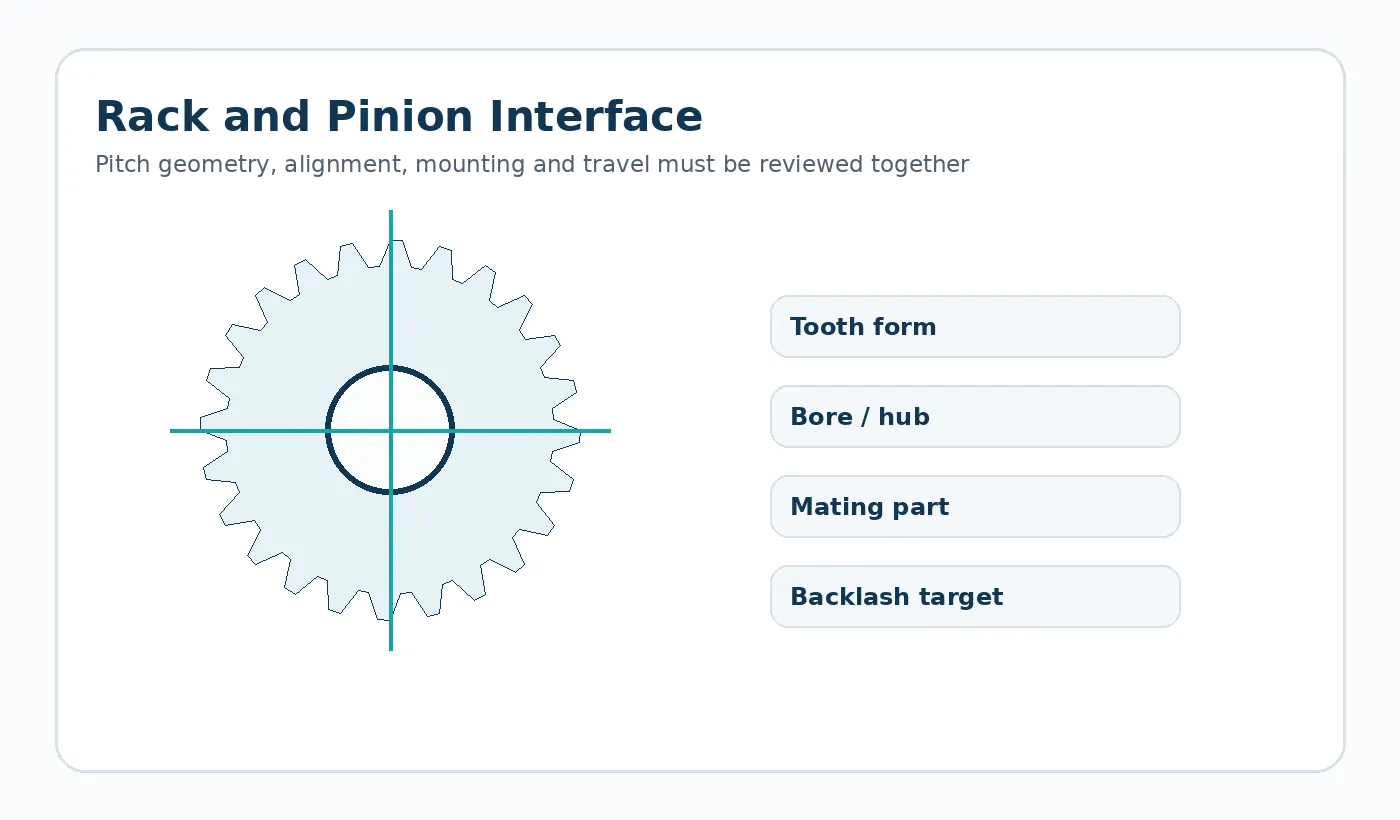
Plastic Rack and Pinion Selection
Engineering guide

Plastic Rack and Pinion Selection

Start from the mechanismRack-and-pinion selection combines tooth geometry with the way the rack is supported over its travel.Module/DP and pressure angle define the mesh, while…

Read guide
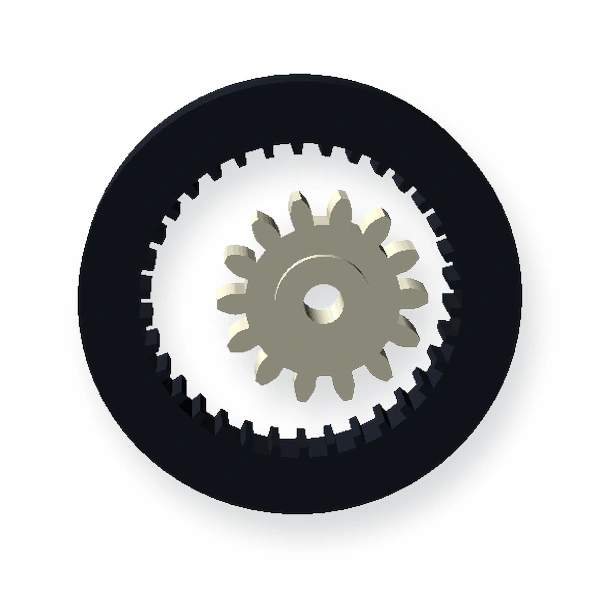
Plastic Internal Ring Gear Design
Engineering guide

Plastic Internal Ring Gear Design

Frame the problem correctlyInternal ring gears are sensitive to concentricity, wall stiffness and the geometry of the mating pinions or planets.The internal teeth share a…

Read guide
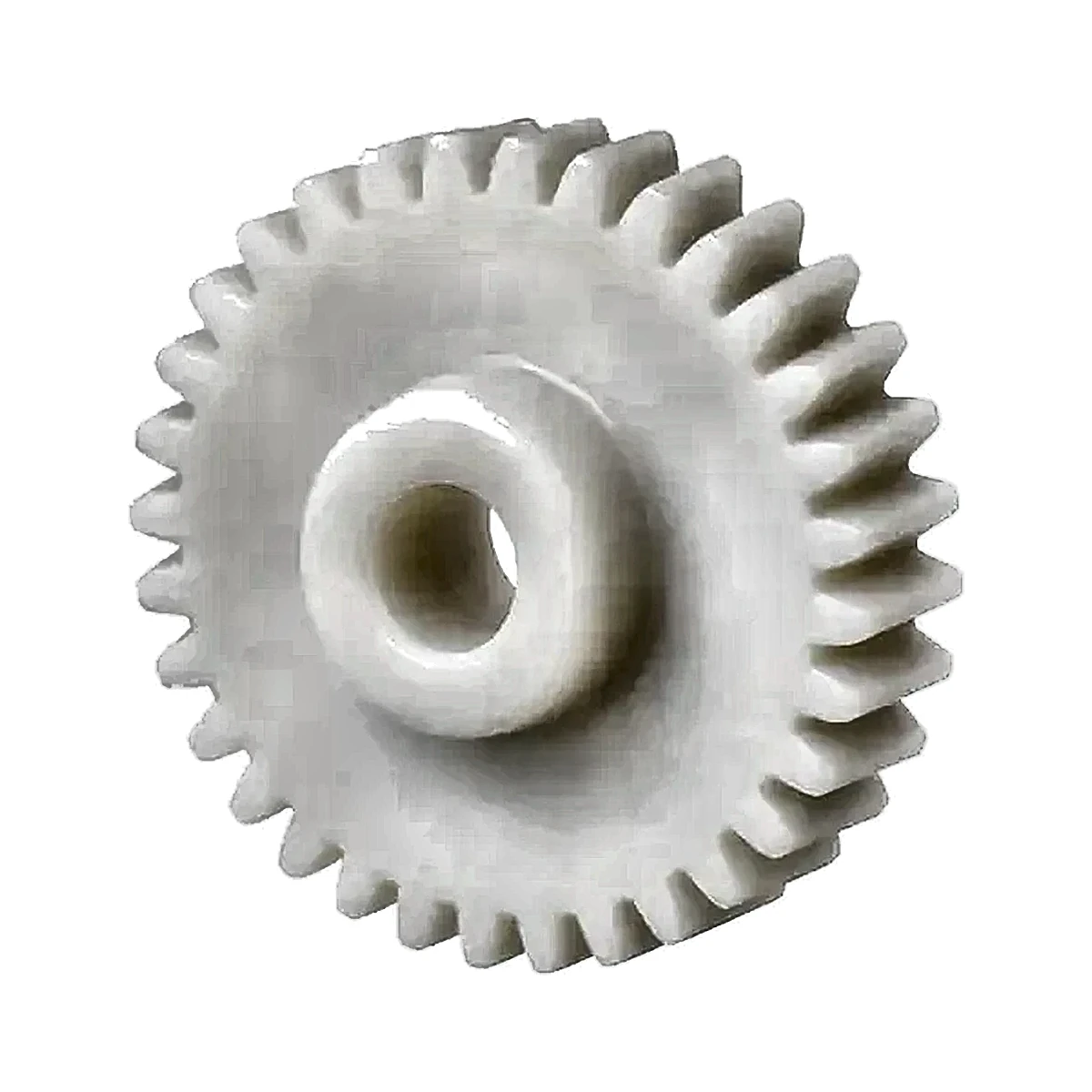
Plastic Spur Gear Design Inputs
Engineering guide

Plastic Spur Gear Design Inputs

What changes the engineering choiceA spur gear RFQ should define the complete working mesh, not only outside diameter and tooth count.Module/DP, pressure angle, face width,…

Read guide
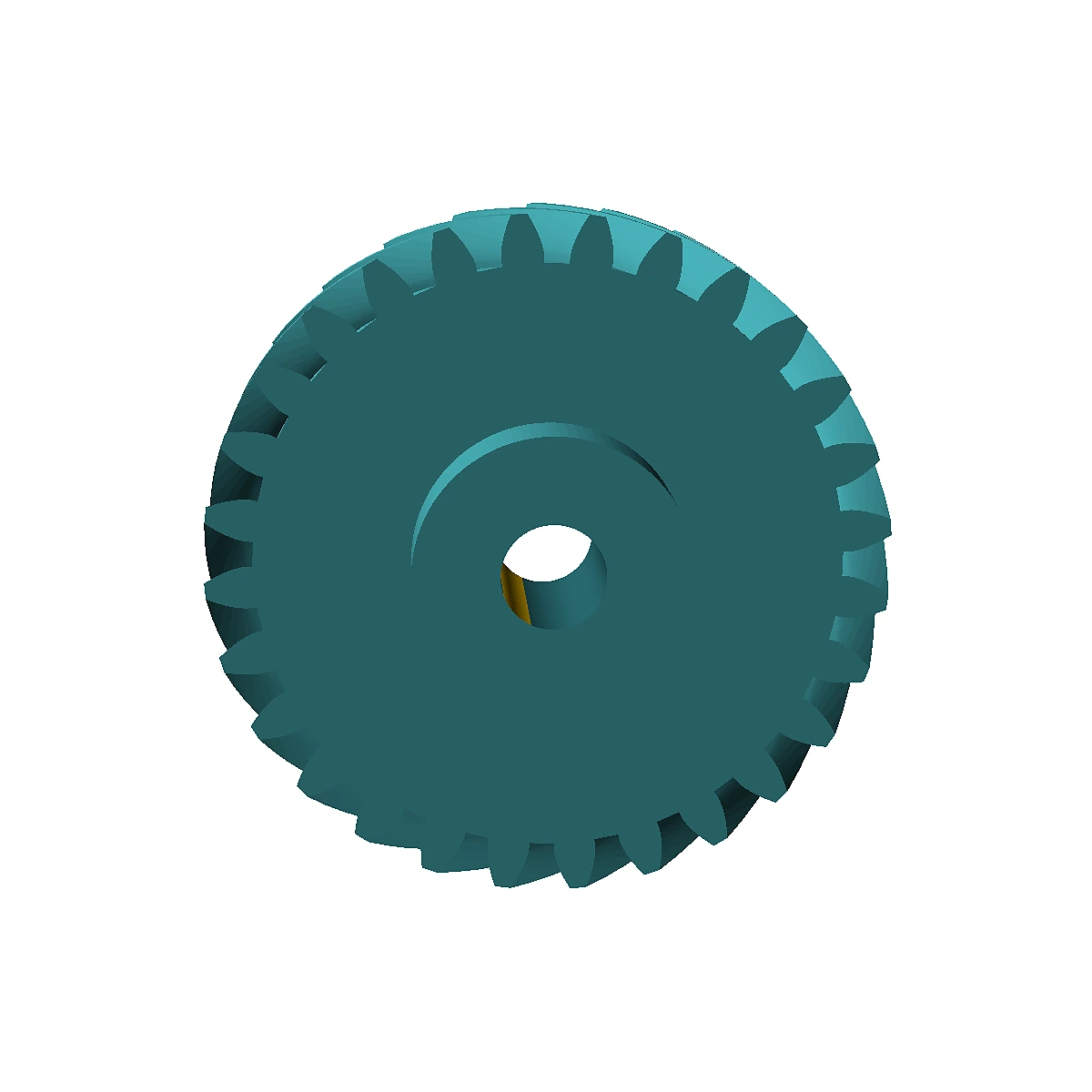
Plastic Helical Gear Design Inputs
Engineering guide

Plastic Helical Gear Design Inputs

Decision firstHelical gear drawings must make the helix convention unambiguous.Helix angle, hand and the normal/transverse system affect mating compatibility. Helical gears also generate axial load…

Read guide
MC Nylon Gear Selection Guide
Engineering guide

MC Nylon Gear Selection Guide

Engineering contextMC nylon is often considered for larger machined gears, but dimensional conditioning and the operating environment need explicit review.Cast nylon stock can be machined…

Read guide
POM Gear Selection Guide
Engineering guide

POM Gear Selection Guide

Start from the mechanismPOM gear selection should start with service conditions and mating geometry, then narrow to a resin grade and process.POM grades vary in…

Read guide
Plastic Bevel Gear Design Inputs
Engineering guide

Plastic Bevel Gear Design Inputs

What changes the engineering choiceBevel gear design begins with the pair geometry and the intersecting shaft layout.Ratio, shaft angle, pitch-cone geometry, face width and mounting…

Read guide
Plastic vs Metal Gears
Engineering guide

Plastic vs Metal Gears

Decision firstPlastic and metal gears solve different design priorities; neither is automatically superior.Engineering plastics can reduce mass, resist corrosion and run with different noise/lubrication behavior,…

Read guide
Moisture Effects on Nylon Gears
Engineering guide

Moisture Effects on Nylon Gears

Frame the problem correctlyNylon gears should be dimensioned with moisture conditioning in mind.Nylon absorbs moisture from the environment; this can change dimensions and mechanical behavior.…

Read guide
Temperature Effects on Plastic Gears
Engineering guide

Temperature Effects on Plastic Gears

What changes the engineering choiceTemperature changes both the dimensions and mechanical response of polymer gears.As temperature shifts, stiffness, creep tendency and thermal expansion can alter…

Read guide
Plastic Gear Backlash Guide
Engineering guide

Plastic Gear Backlash Guide

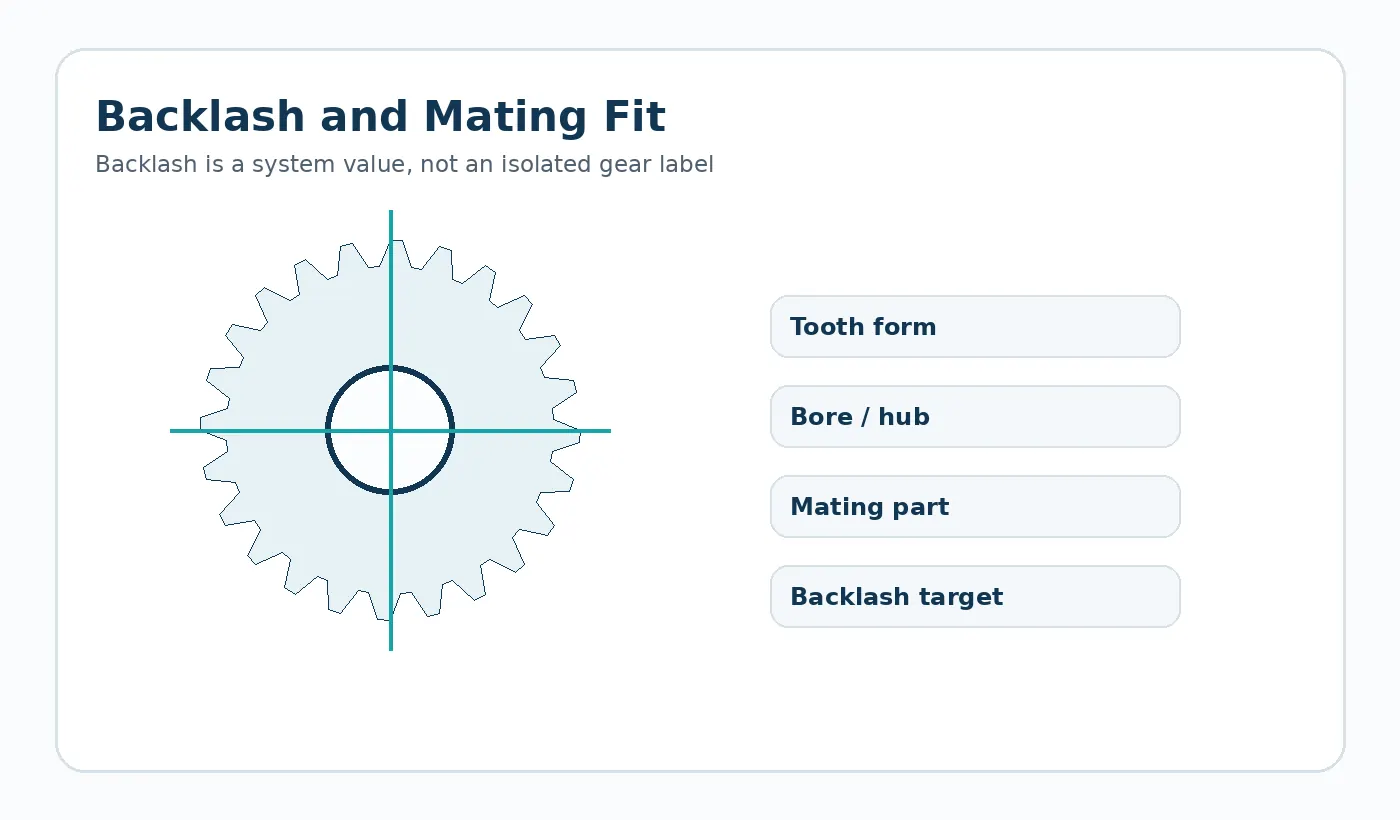
Decision firstBacklash is a system clearance, not a standalone gear dimension. It changes with tooth geometry, center distance, bore/shaft location and material dimensions.Plastic gears can…

Read guide
Injection Molded Gear Tolerances
Engineering guide

Injection Molded Gear Tolerances

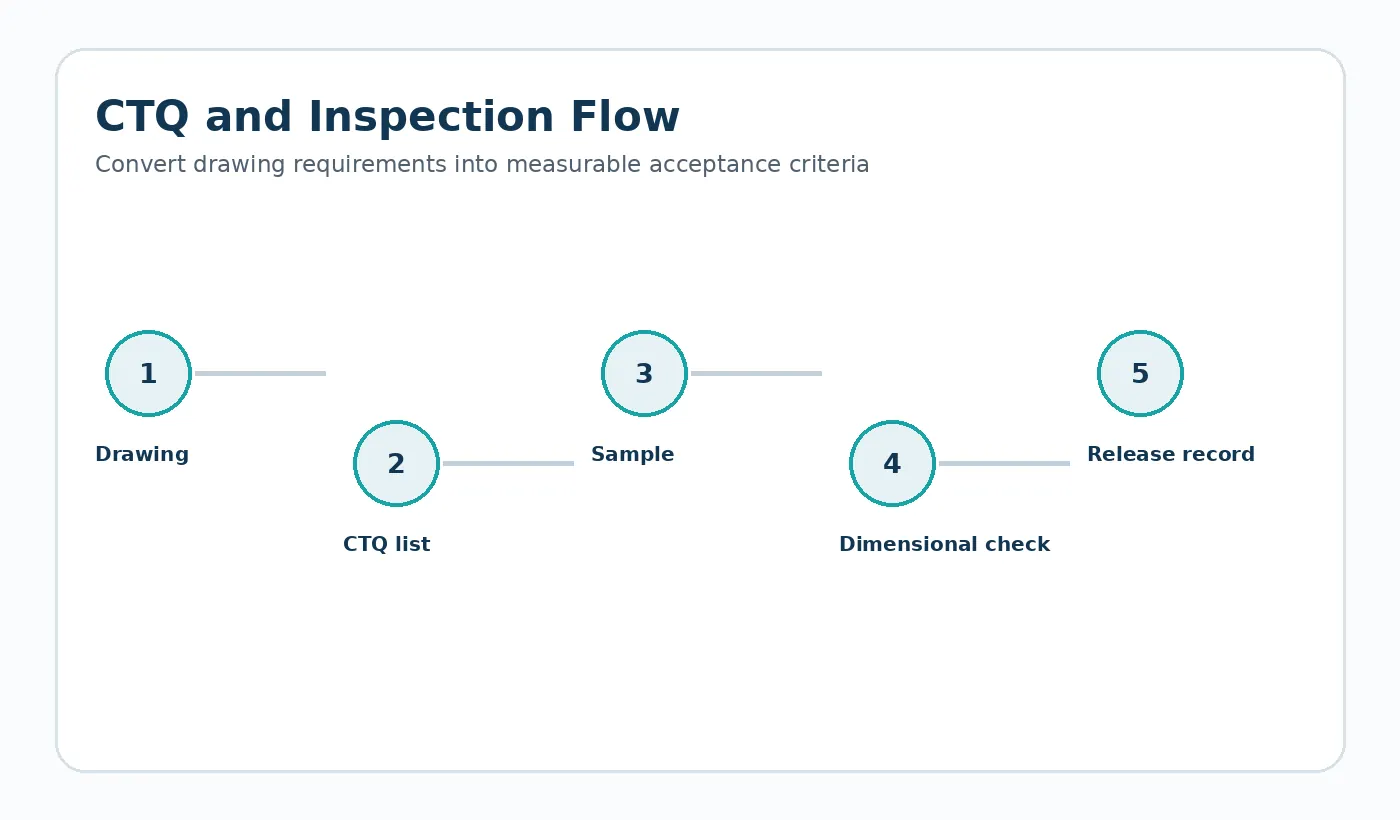
Start from the mechanismA useful gear tolerance plan focuses on the characteristics that control the mesh and mounting relationship.Bore-to-tooth runout, tooth-to-tooth variation, overall geometry and…

Read guide
POM vs Nylon for Plastic Gears
Engineering guide

POM vs Nylon for Plastic Gears

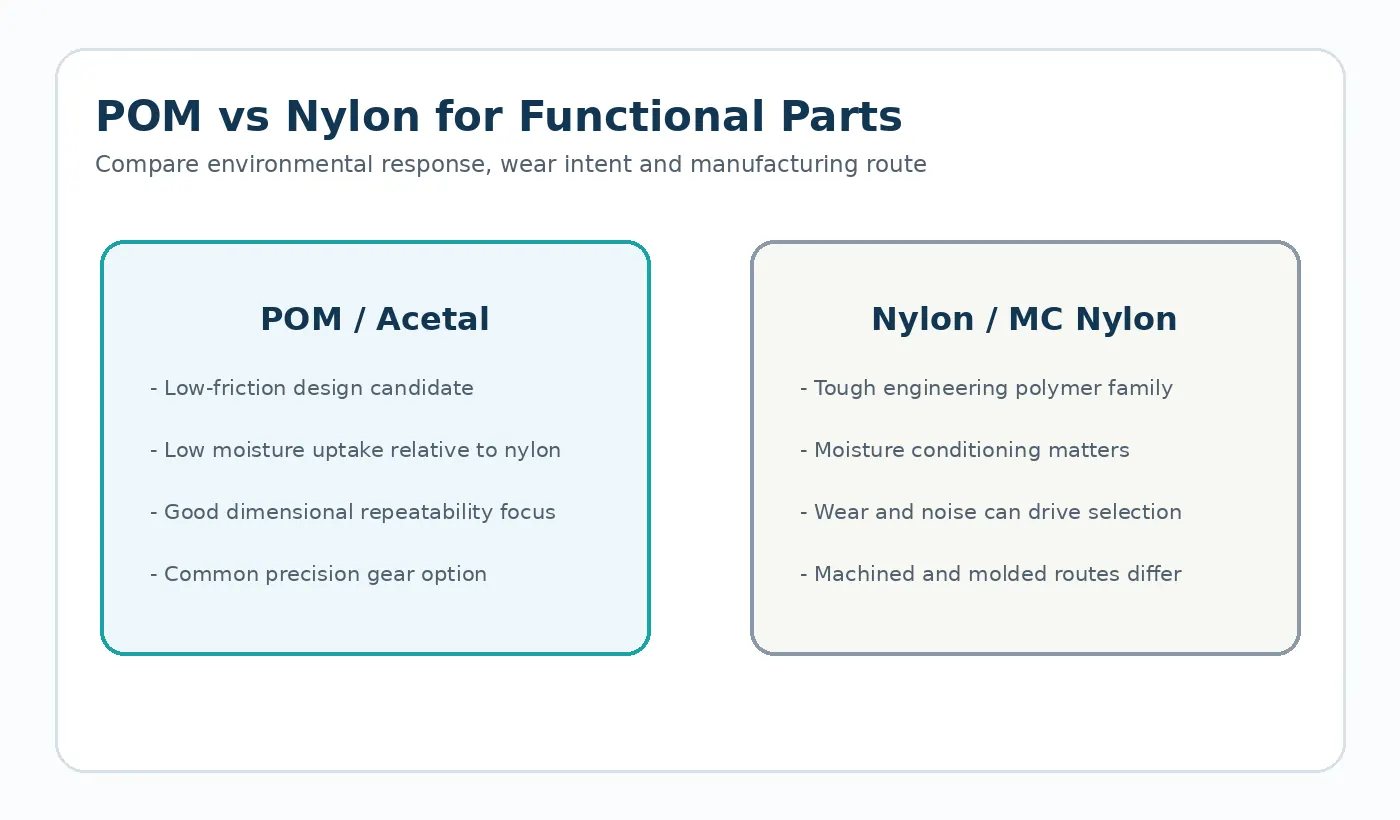
Frame the problem correctlyPOM and nylon are both common gear materials, but moisture response, stiffness, toughness and wear pairing differ.POM is often favored where dimensional…

Read guide