Decision first
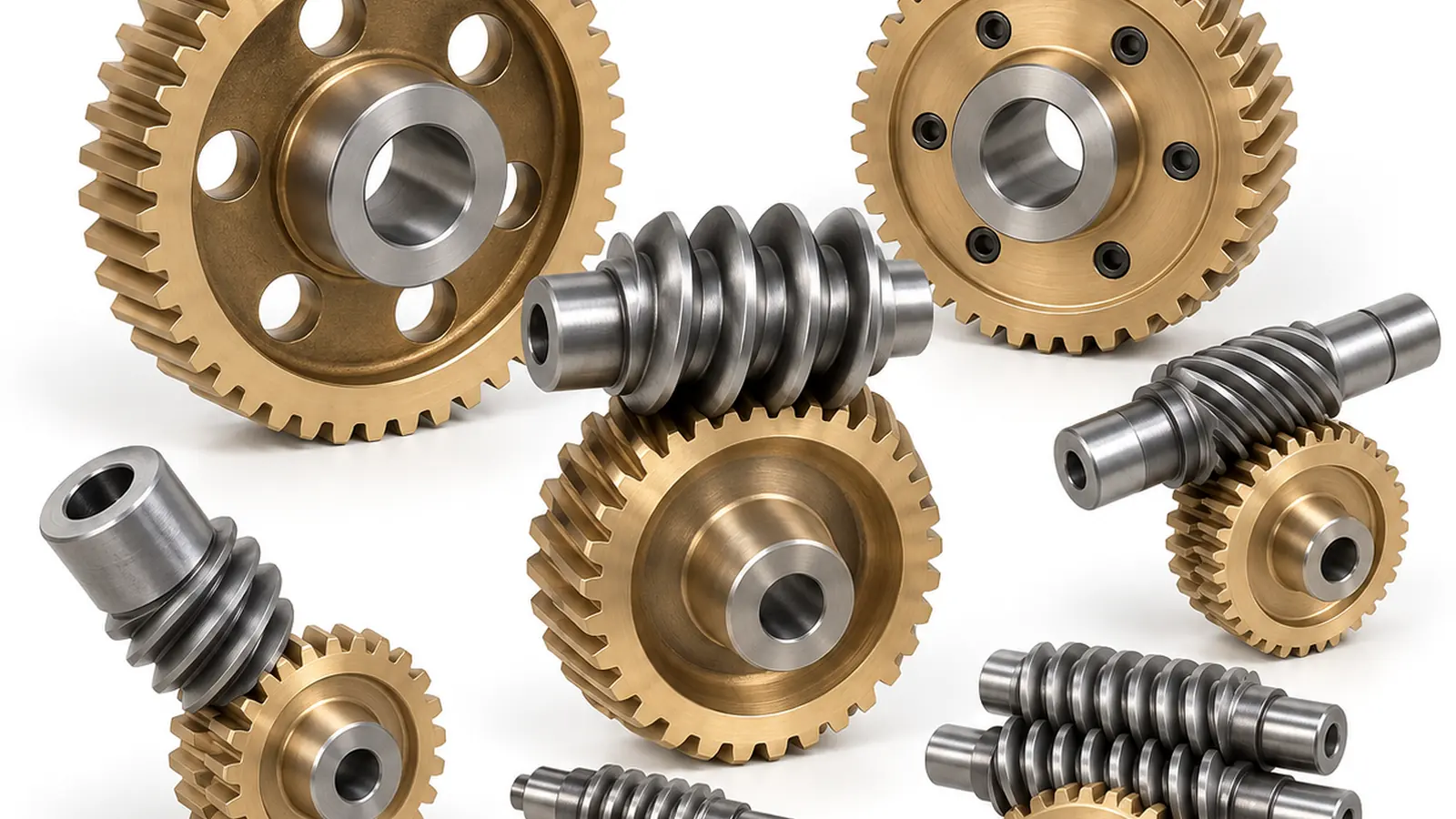
Plastic and metal gears solve different design priorities; neither is automatically superior.
Engineering plastics can reduce mass, resist corrosion and run with different noise/lubrication behavior, while metals provide higher stiffness and temperature capability in many applications.
A metal-to-plastic conversion usually needs more than a material substitution. Tooth face width, hub thickness, shaft fit and thermal clearance may need to change to account for lower stiffness and different expansion. The opportunity is that plastic can integrate features or reduce lubrication/noise requirements in some mechanisms. Treat the conversion as a system redesign with explicit success criteria, not a one-line material change.
Design inputs that change the answer
Compare torque, speed, temperature, shock load, wear pair, lubrication, expected life, noise and assembly constraints.
尽可能将这些信息添加到受控图纸、规格说明或询价附件中。避免在非正式的沟通渠道中发布这些信息,有助于供应商比较和后续修改的管理。
Failure mode worth screening
Replacing a metal gear with plastic without changing tooth size or housing support can exceed the polymer’s allowable deflection or heat conditions.
Validation in the real assembly
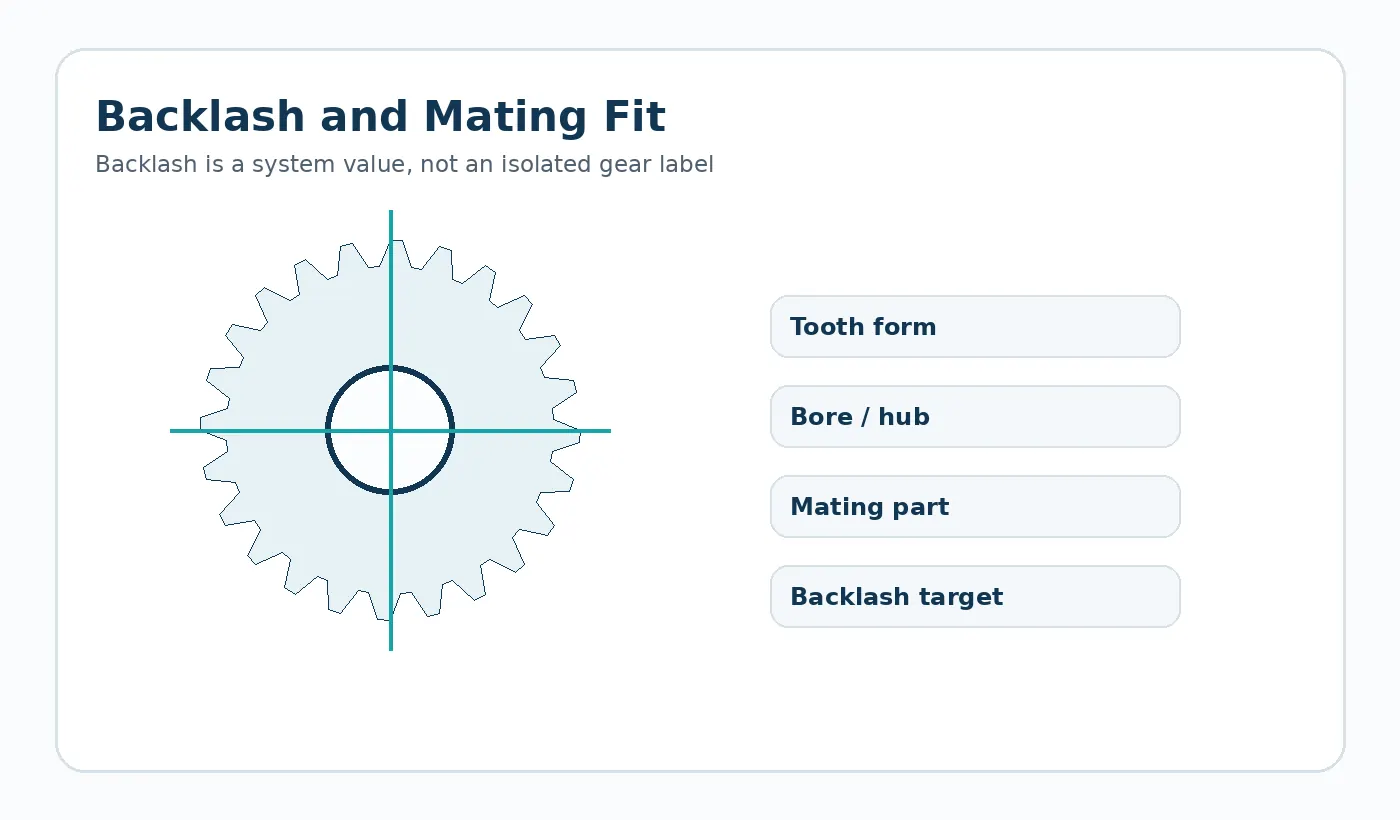
Prototype the complete mesh and define what success means: wear, noise, backlash, temperature, efficiency or life.
For Plastic vs Metal Gears, record the exact material grade and conditioning/environment used during validation. Material names alone are too broad for a repeat-production acceptance record.
RFQ handoff
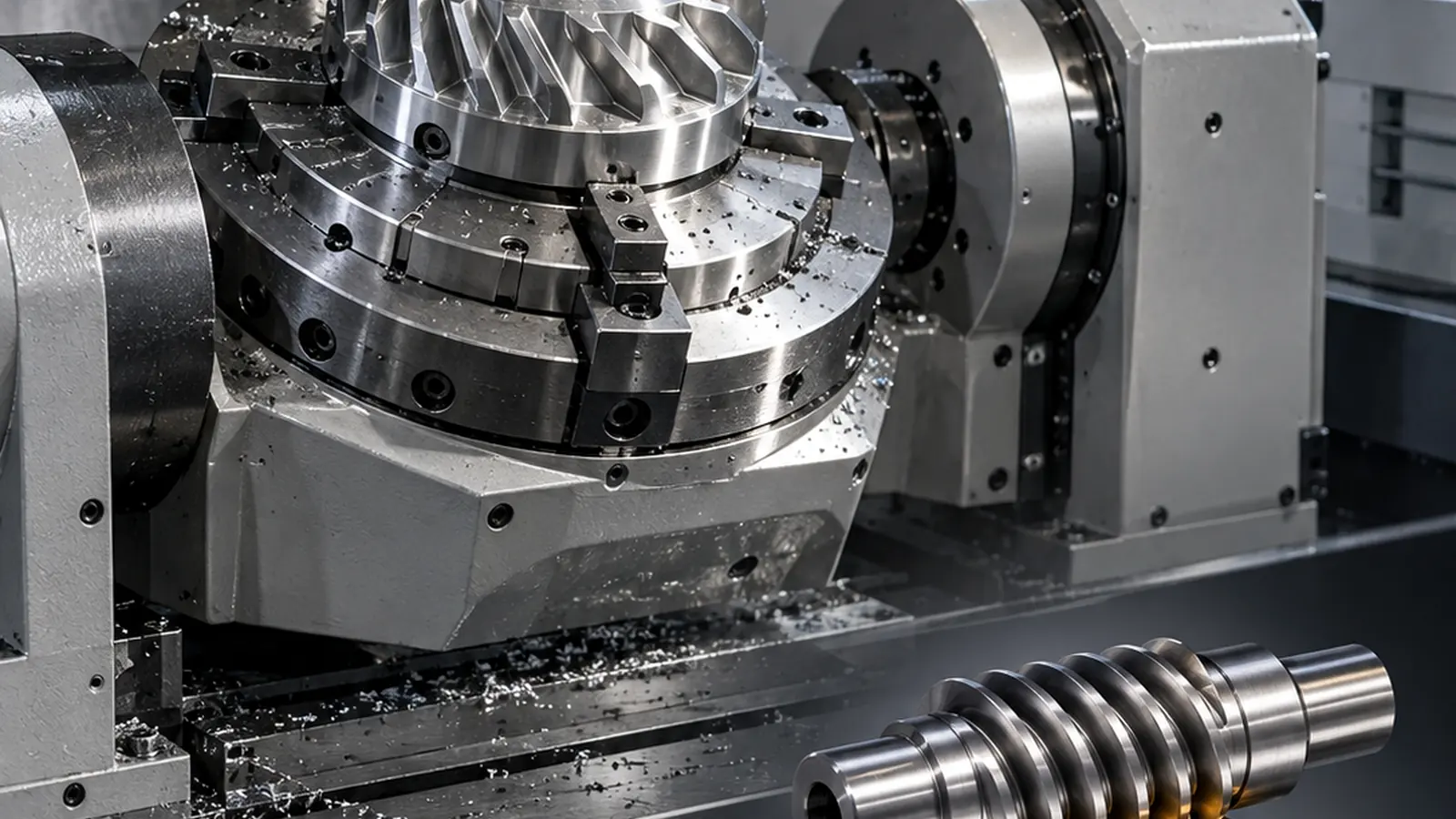
Before requesting a price for plastic vs metal gears, identify the current drawing revision, production quantity, material constraint and the feature that most strongly affects function. Ask the supplier to flag any deviation from those inputs in the quotation so technical alternatives stay visible.
针对此决策的实用设计审查
Material selection should connect the polymer to the function and manufacturing route. Review temperature, moisture, chemicals, stiffness, wear pair, dimensional stability and exact grade requirements. A material that performs well in isolation can still be a poor choice when the mating surface or inspection condition is different.
将假设条件记录在图纸或询价单中,以便供应商在报价前进行确认。如果某个数值未知,应将其标识为待定工程项目,而不是直接复制可能与实际装配不符的通用产品目录编号。
验证工作表
- Service temperature
- Moisture / chemical exposure
- Load and stiffness need
- Wear pair / lubrication
- Dimensional-stability priority
- Exact grade or approved substitution limits
使用第一个样品,通过尺寸验证和相关的功能检查来确认这些要点。任何可接受的偏差都应在重复生产前的受控修订中记录下来。