پہلے فیصلہ
Plastic and metal gears solve different design priorities; neither is automatically superior.
Engineering plastics can reduce mass, resist corrosion and run with different noise/lubrication behavior, while metals provide higher stiffness and temperature capability in many applications.
A metal-to-plastic conversion usually needs more than a material substitution. Tooth face width, hub thickness, shaft fit and thermal clearance may need to change to account for lower stiffness and different expansion. The opportunity is that plastic can integrate features or reduce lubrication/noise requirements in some mechanisms. Treat the conversion as a system redesign with explicit success criteria, not a one-line material change.
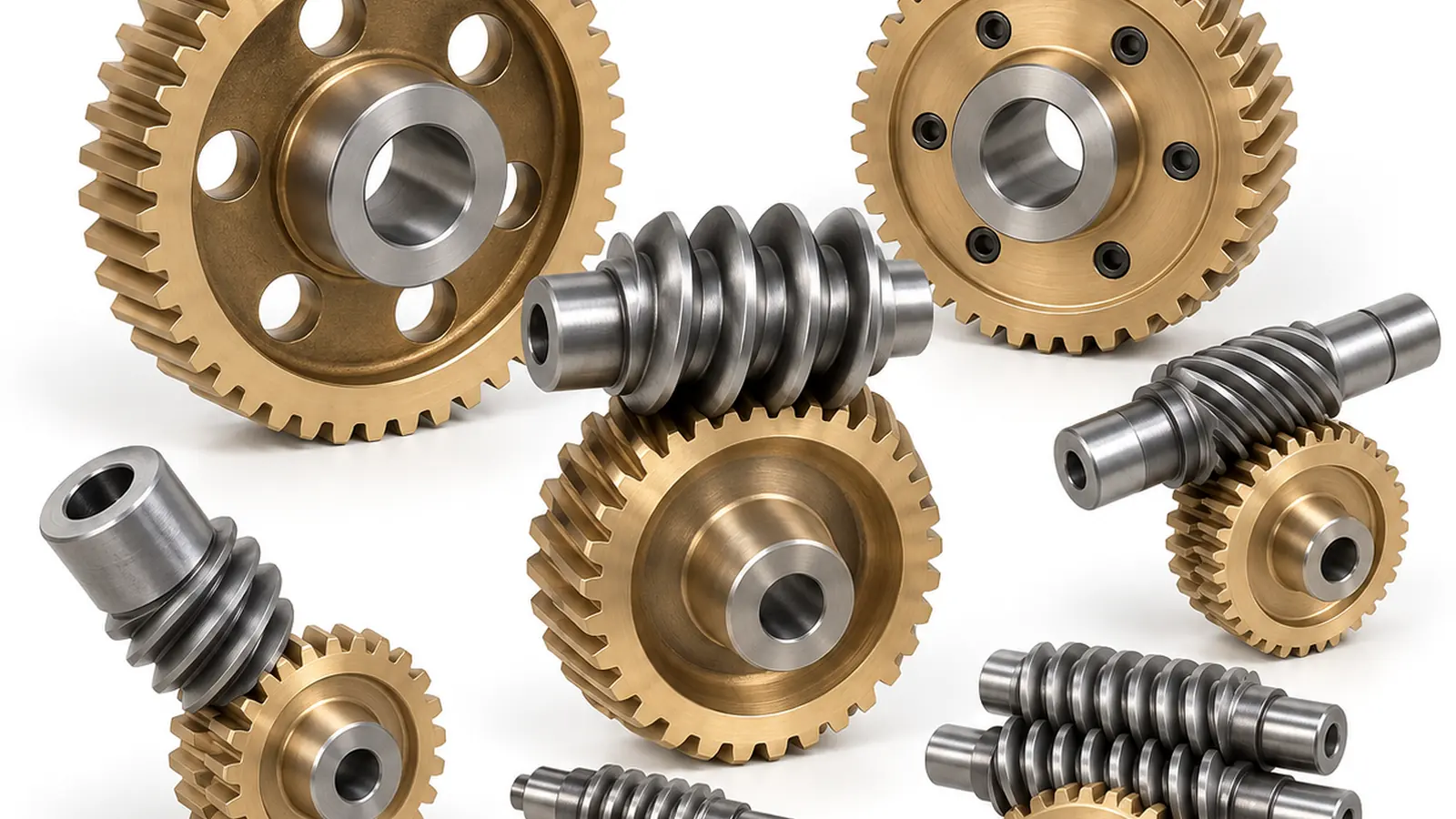
ان پٹ ڈیزائن کریں جو جواب کو تبدیل کرتے ہیں۔
Compare torque, speed, temperature, shock load, wear pair, lubrication, expected life, noise and assembly constraints.
ان پٹ کو کنٹرولڈ ڈرائنگ، تفصیلات یا RFQ منسلکہ پر جہاں ممکن ہو رکھیں۔ انہیں غیر رسمی پیغام کے دھاگوں سے دور رکھنے سے سپلائر کا موازنہ اور بعد میں نظرثانی کا انتظام کرنا آسان ہو جاتا ہے۔
اسکریننگ کے قابل ناکامی موڈ
Replacing a metal gear with plastic without changing tooth size or housing support can exceed the polymer’s allowable deflection or heat conditions.
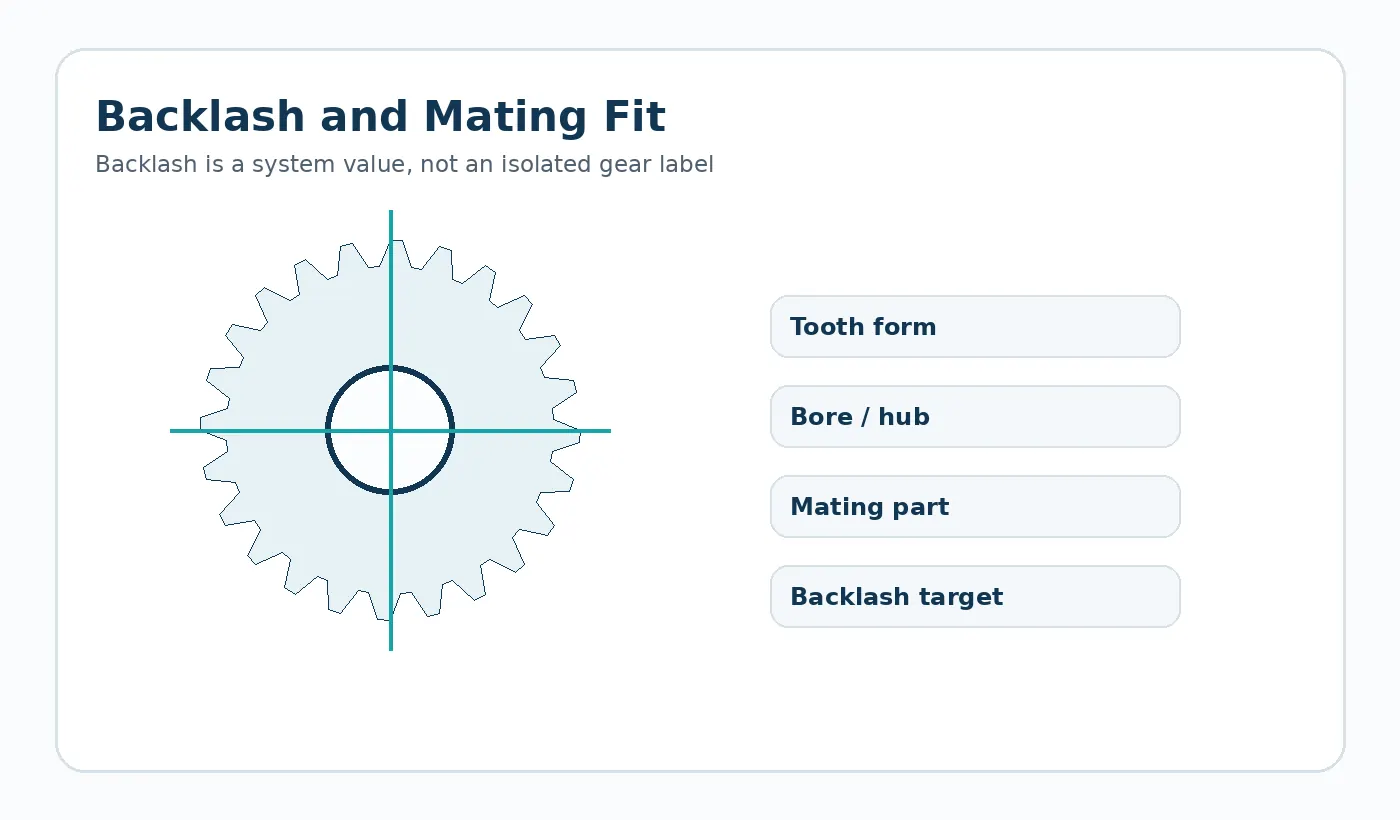
حقیقی اسمبلی میں توثیق
Prototype the complete mesh and define what success means: wear, noise, backlash, temperature, efficiency or life.
For Plastic vs Metal Gears, record the exact material grade and conditioning/environment used during validation. Material names alone are too broad for a repeat-production acceptance record.
آر ایف کیو ہینڈ آف
Before requesting a price for plastic vs metal gears, identify the current drawing revision, production quantity, material constraint and the feature that most strongly affects function. Ask the supplier to flag any deviation from those inputs in the quotation so technical alternatives stay visible.