Bối cảnh kỹ thuật
Automation racks should be designed around the motion profile and installation support.
Rapid reversals, long travel and positioning requirements can expose rack joint, straightness and backlash issues that are less important in simple manual adjustment.
Automated axes often reverse direction, making backlash and rack mounting compliance visible as lost motion. Preload can reduce play but raises tooth force and friction. If the design uses a split pinion, spring preload or dual-rack arrangement, include that mechanism in the RFQ because it changes the load on the rack and the acceptable tooth geometry.
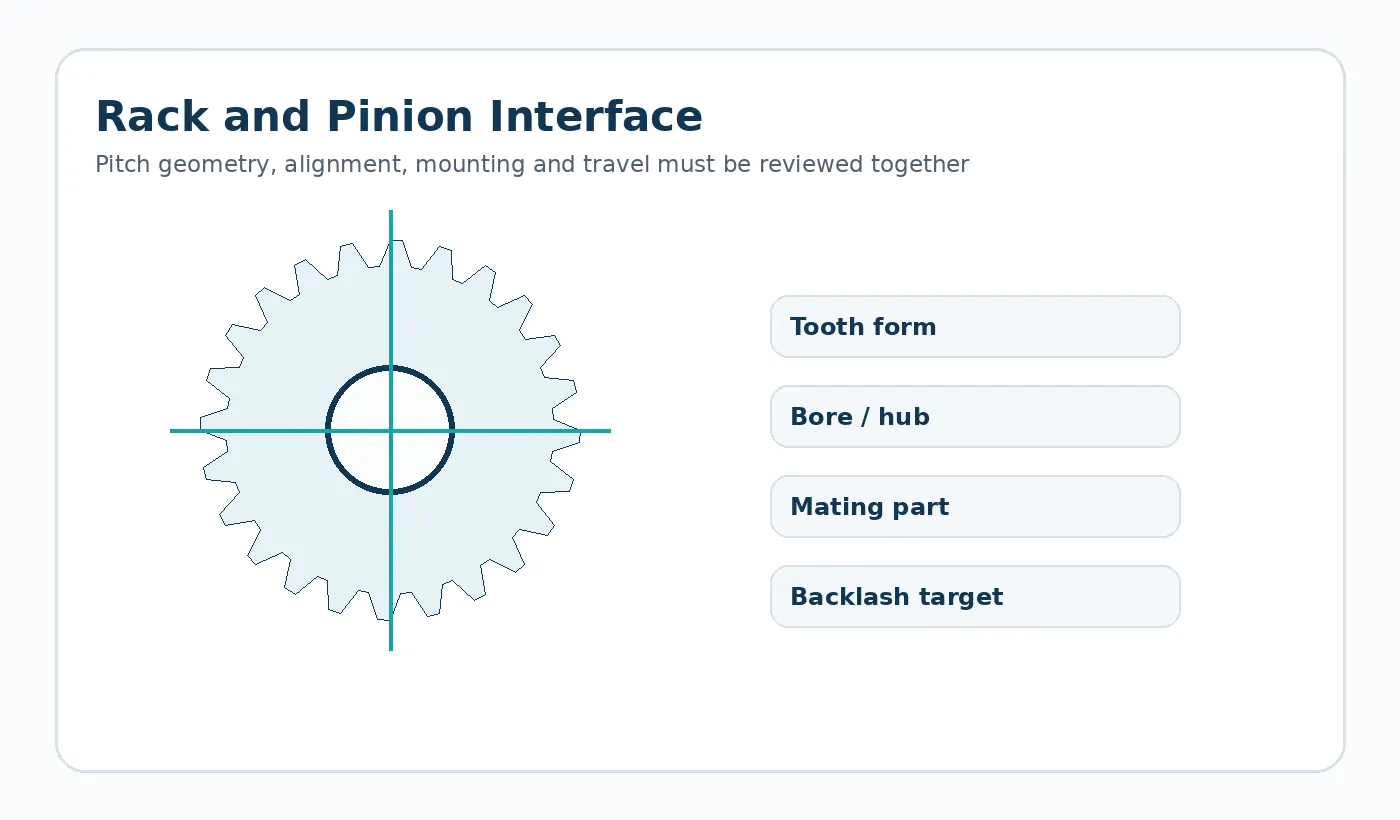
Bức vẽ cần truyền tải điều gì?
Define stroke, speed, acceleration, load, rack support, pinion size and allowable lost motion.
Hãy đưa những thông tin đầu vào này vào bản vẽ được kiểm soát, bản đặc tả kỹ thuật hoặc tài liệu đính kèm yêu cầu báo giá (RFQ) nếu có thể. Việc tách chúng ra khỏi các cuộc trao đổi không chính thức sẽ giúp việc so sánh nhà cung cấp và chỉnh sửa sau này dễ quản lý hơn.
Đánh giá rủi ro
End-to-end rack joints can create a pitch discontinuity if the mounting pattern and tooth phasing are not controlled.
Chấp nhận mẫu
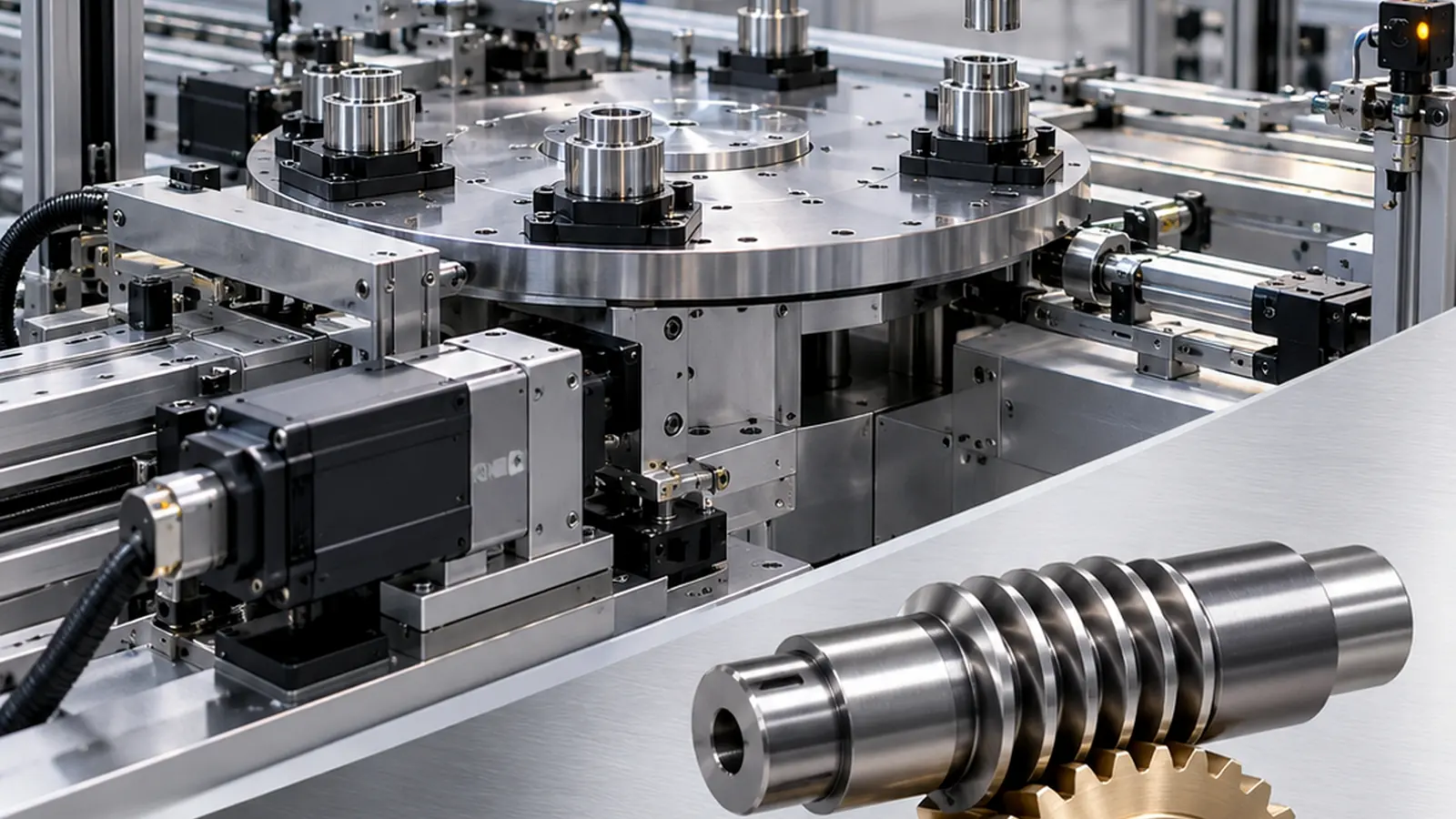
Run the carriage through the full stroke and inspect joint transitions with the production pinion.
For Plastic Gear Rack Design for Automation, verify the component across the real travel or duty cycle. Local dimensional checks are useful, but the mechanism-level result should decide whether the design is ready for production.
Từ khâu xem xét thiết kế đến yêu cầu báo giá (RFQ)
Before requesting a price for plastic gear rack design for automation, identify the current drawing revision, production quantity, material constraint and the feature that most strongly affects function. Ask the supplier to flag any deviation from those inputs in the quotation so technical alternatives stay visible.
Practical design review for this decision
Rack accuracy depends on mounting along the full travel. Define the pitch-line height, mounting-hole datum, straightness, mating pinion and structure that supports the rack. Long nylon racks also need an environmental condition for dimensional approval.
Record the assumptions on the drawing or RFQ so the supplier can confirm them before quoting. When a value is unknown, identify it as an open engineering item rather than copying a generic catalogue number that may not match the assembly.
Verification worksheet
- Module/DP and pressure angle
- Pitch-line height
- Rack section and length
- Mounting pattern / straightness
- Mating pinion / center height
- Travel, load and conditioning
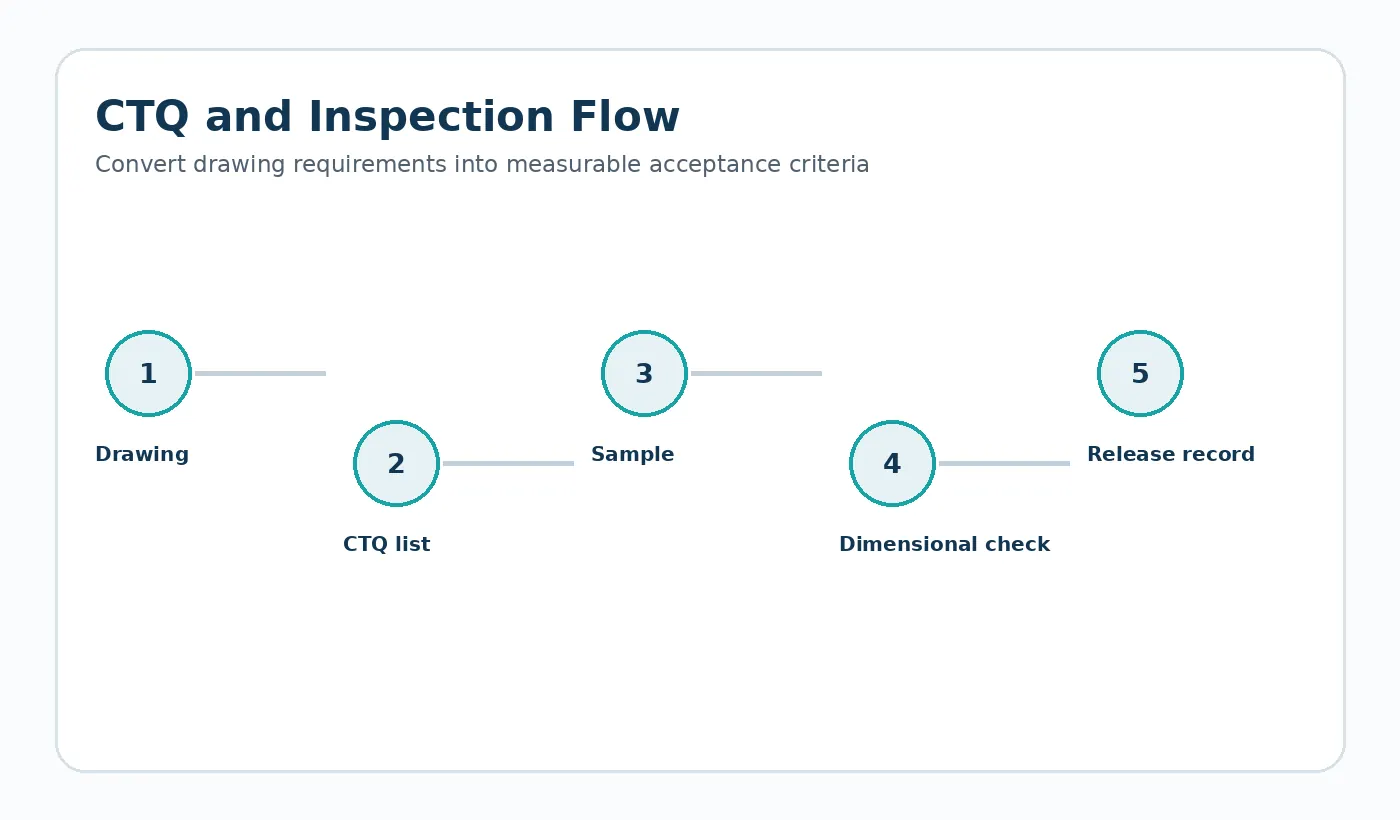
Use the first sample to close these points with both dimensional evidence and the relevant functional check. Any accepted deviation should be captured in the controlled revision before repeat production.