ٹرانسمیشن کو ایک جوڑے ہوئے نظام کی طرح سمجھیں۔
جب دانتوں کی جیومیٹری، مرکز کا فاصلہ، شافٹ، بیرنگ، ہاؤسنگ کی سختی اور مادی جوڑے کو ایک ساتھ سمجھا جاتا ہے تو پلاسٹک کے گیئرز اور ریک کمپیکٹ موشن سسٹم میں موثر ثابت ہوسکتے ہیں۔ ایک گیئر جو خود ہی قابل قبول ہے اگر معاون جیومیٹری کو کنٹرول نہیں کیا جاتا ہے تو پھر بھی شور، لباس یا خراب پوزیشننگ پیدا کر سکتا ہے۔
موشن کنٹرول ایپلی کیشنز کے لیے، تناسب، رفتار، ٹارک، ڈیوٹی سائیکل، ردعمل کی حساسیت اور آپریٹنگ درجہ حرارت کی حد میں قابل اجازت تبدیلی کی وضاحت کریں۔
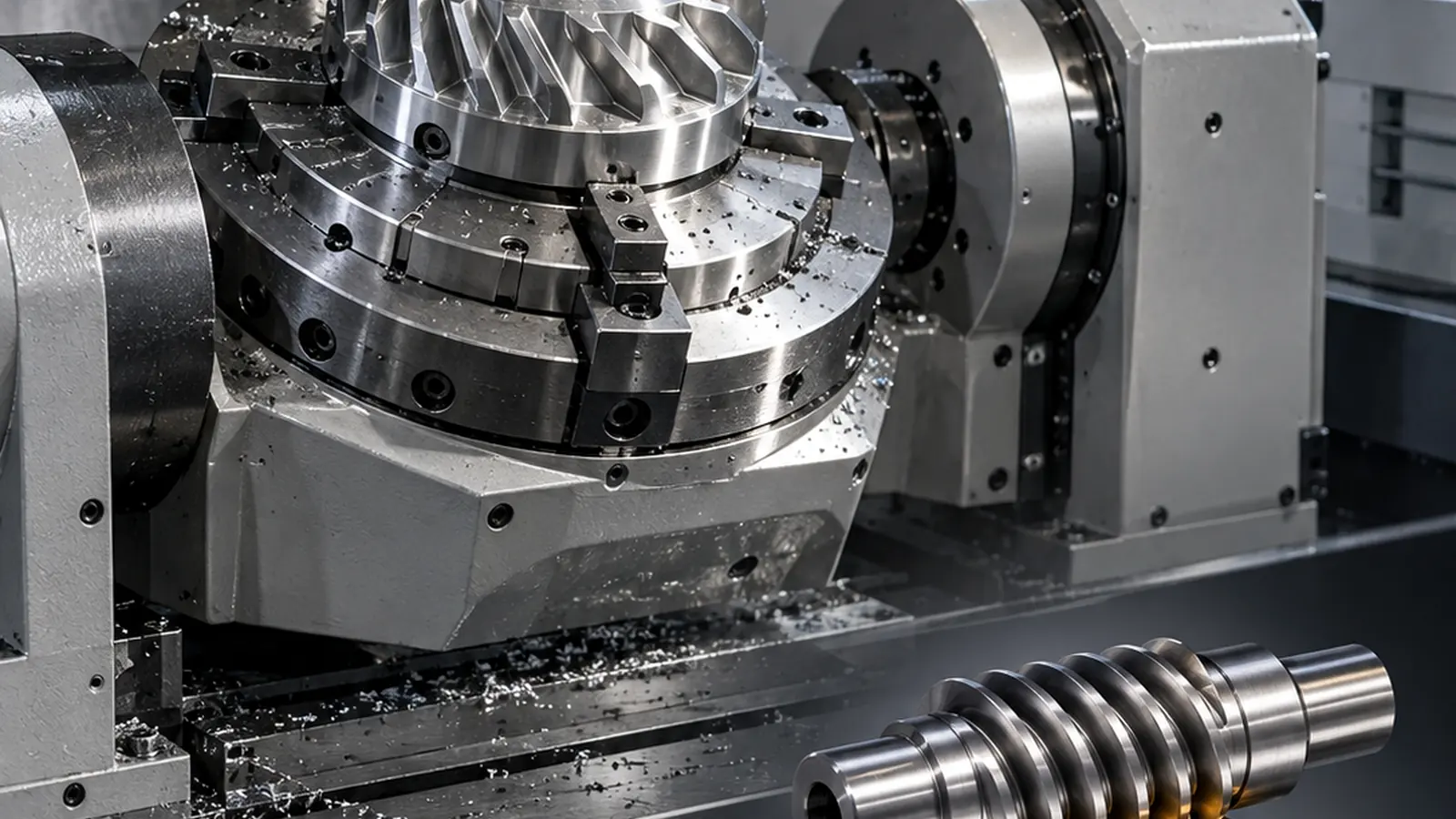
سسٹم کی سطح کی جانچ
میش جیومیٹری
ماڈیول یا ڈی پی، پریشر اینگل، ہیلکس یا بیول جیومیٹری، سینٹر کا فاصلہ اور میٹنگ ٹوتھ کی گنتی۔
جیومیٹری کی حمایت کریں۔
بور فٹ، شافٹ رن آؤٹ، بیئرنگ لوکیشن اور ہاؤسنگ الائنمنٹ ورکنگ میش کو متاثر کرتی ہے۔
فنکشنل ہدف
بیان کریں کہ آیا شور، پہننے کی زندگی، پوزیشننگ، وزن یا سنکنرن غالب ڈیزائن کا مقصد ہے۔
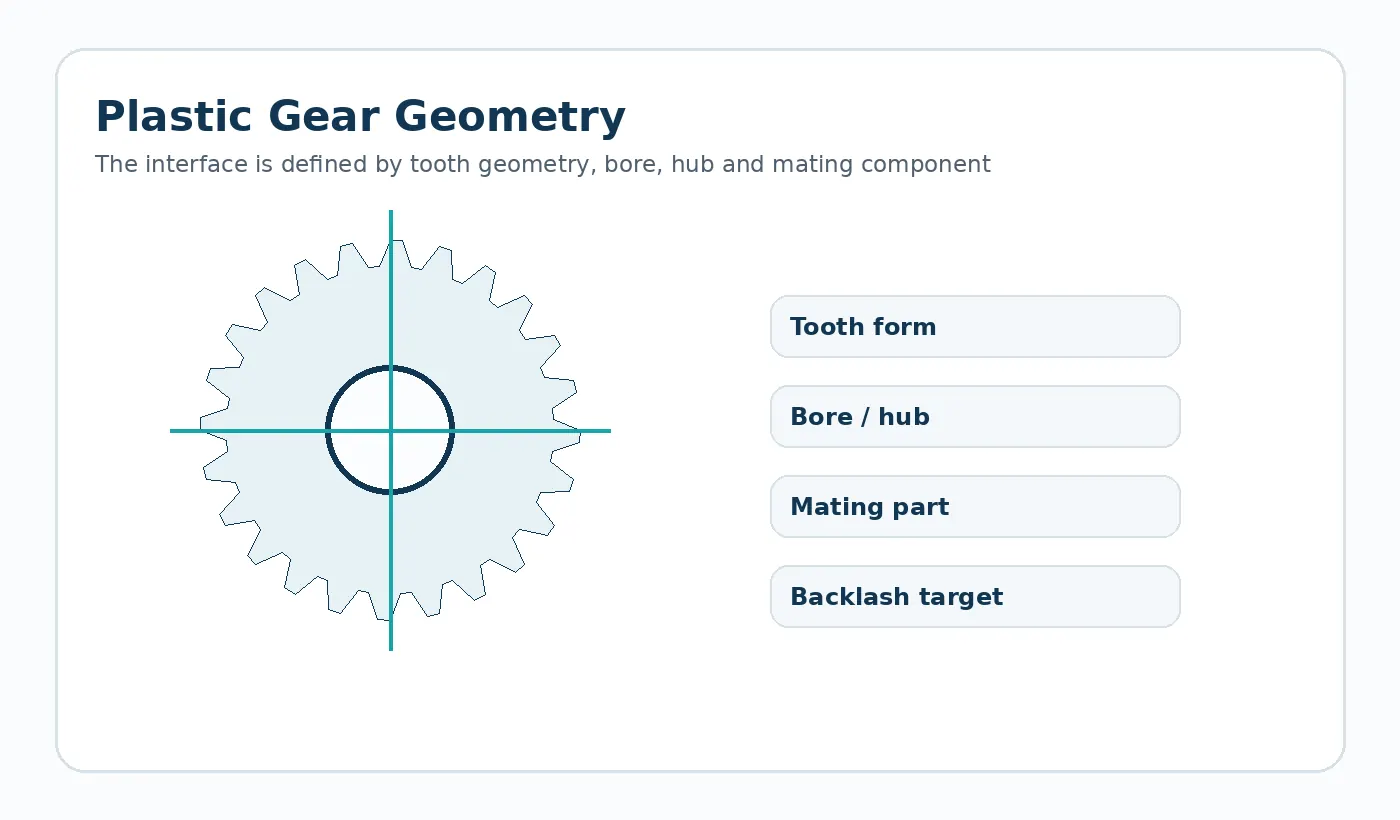
بیکلاش کا تعلق مکمل رواداری کے سلسلہ سے ہے۔
ورکنگ بیکلاش دانتوں کی جیومیٹری اور مرکز کے فاصلے سے ایک ساتھ پیدا ہوتا ہے۔ شافٹ رن آؤٹ، بیئرنگ کلیئرنس، ہاؤسنگ ڈیفلیکشن اور پولیمر ڈائمینشنل تبدیلی سبھی نتیجہ کو متاثر کرتے ہیں۔ صرف گیئر رواداری کو سخت کرنے سے بے قابو سپورٹ ڈھانچہ درست نہیں ہو سکتا۔
درست حرکت کے لیے، ان پٹ شافٹ سے لے کر آؤٹ پٹ میکانزم تک رواداری کا راستہ بنائیں اور شناخت کریں کہ کن کنٹریبیوٹرز غالب ہیں۔ یہ گیئر کی درستگی کی وضاحت کے لیے ہر جزو پر یکساں رواداری کا اطلاق کرنے سے زیادہ مضبوط بنیاد ہے۔
لوڈ اور تھرمل سلوک
پلاسٹک کے دانت دھاتی دانتوں سے زیادہ ایک ہی جیومیٹری اور بوجھ کے تحت موڑتے ہیں۔ یہ اثر نم کرنے کے لیے کارآمد ثابت ہو سکتا ہے لیکن جہاں پوزیشن کی سختی اہم ہے اس کا حساب ہونا چاہیے۔ مقامی درجہ حرارت موٹر گرمی یا سلائیڈنگ رابطے سے بھی بڑھ سکتا ہے۔
نمائندہ ٹارک اور ڈیوٹی پر توثیق کریں، اور چیک کریں کہ آیا ڈرائیو ٹرین کے مستحکم آپریٹنگ درجہ حرارت تک پہنچنے کے بعد ردعمل یا شور میں تبدیلی آتی ہے۔
موشن کنٹرول آر ایف کیو ان پٹ
- تناسب اور مکمل گیئر جوڑی یا گیئر ٹرین جیومیٹری
- ان پٹ/آؤٹ پٹ کی رفتار اور ٹارک
- ریورسلز، ایکسلریشن اور ڈیوٹی سائیکل
- قابل قبول ردعمل یا پوزیشننگ کی خرابی۔
- شافٹ، بیئرنگ اور ہاؤسنگ ڈیٹمز
- آپریٹنگ درجہ حرارت اور مواد کی پابندیاں
Validation plan for this application
Build the first-sample check around the machine interface. Confirm the mounting datums, mating part or chain, expected load direction, representative speed/cycle pattern and the service environment. Where position or backlash matters, measure the assembled mechanism after representative conditioning and cycling rather than approving only the free component.
Document any field constraint that is easy to miss on a component drawing: guard clearance, washdown chemical, nearby motor heat, unsupported rack span, reversing duty, or the bearing arrangement that fixes gear centers. These details often explain why a dimensionally acceptable part behaves differently in service.
Application acceptance rail
Before release, tie the component back to four controls: the operating duty, the mating interface, the environmental condition used for dimensional acceptance and the functional test that represents the real assembly. These controls prevent a nominally correct part from being approved under conditions that do not match service.
Duty
Peak and normal load, speed, reversals, cycle profile and expected service interval.
Interface
Mating geometry, support, alignment, fastener or shaft fit and the datum scheme used for measurement.
Acceptance
Conditioning state, critical dimensions, visual criteria and an assembly or motion check agreed before repeat production.
Information to include in the application review
Document the complete operating envelope rather than only nominal speed or load. Include starts and reversals, worst-case temperature and moisture, cleaning chemicals or lubricants, shaft and bearing support, the mating material, available installation space and any field-replacement constraint. If noise, backlash, wear or positional repeatability is the reason for the project, state that explicitly so the drawing and inspection plan can focus on the real problem.
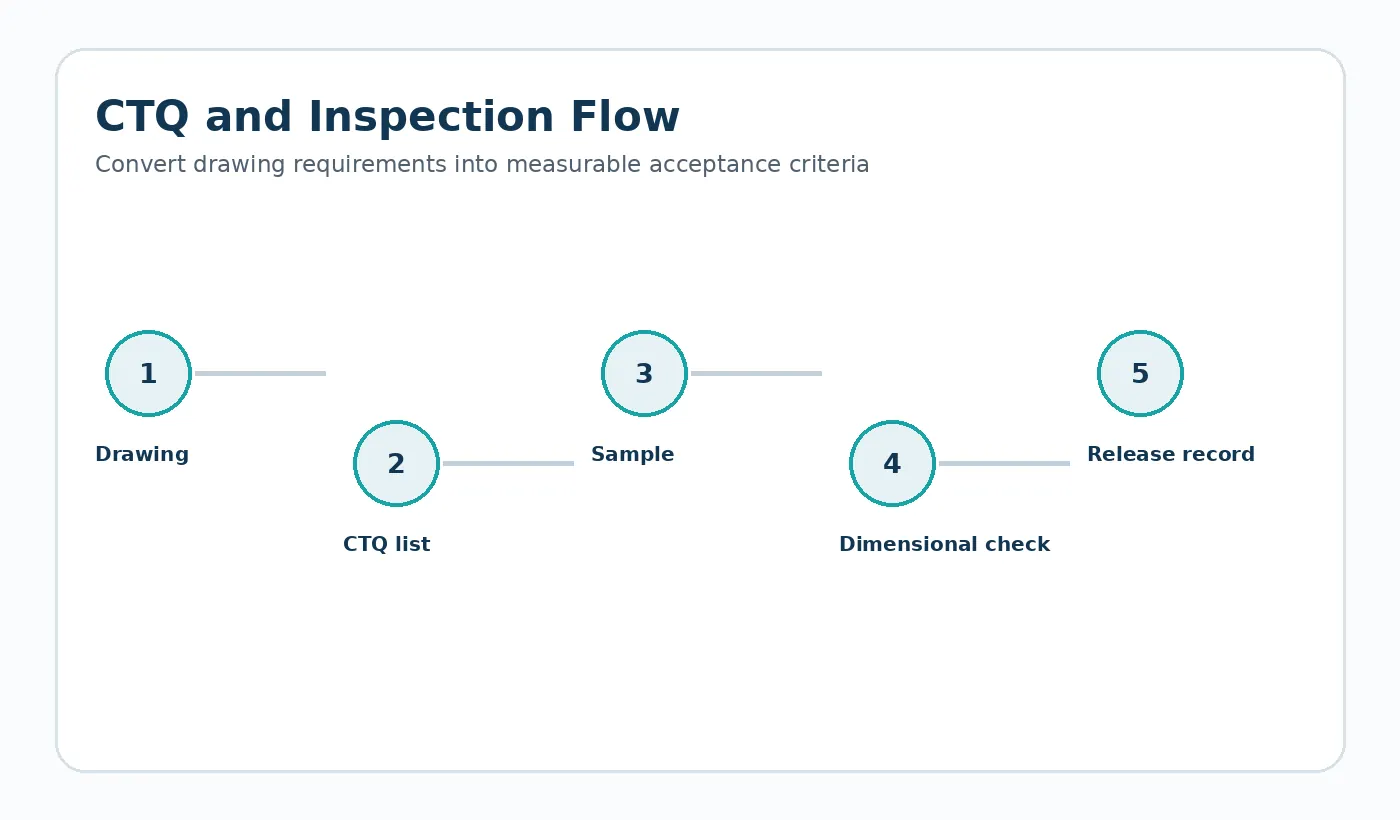
For first samples, define what will be checked in the component and what will be checked in the machine. A dimensional report verifies the drawing; an assembly or functional test verifies that the selected datums, fits and material condition produce the required behavior. Both are useful when the mechanism is sensitive to cumulative tolerances.