Decision first
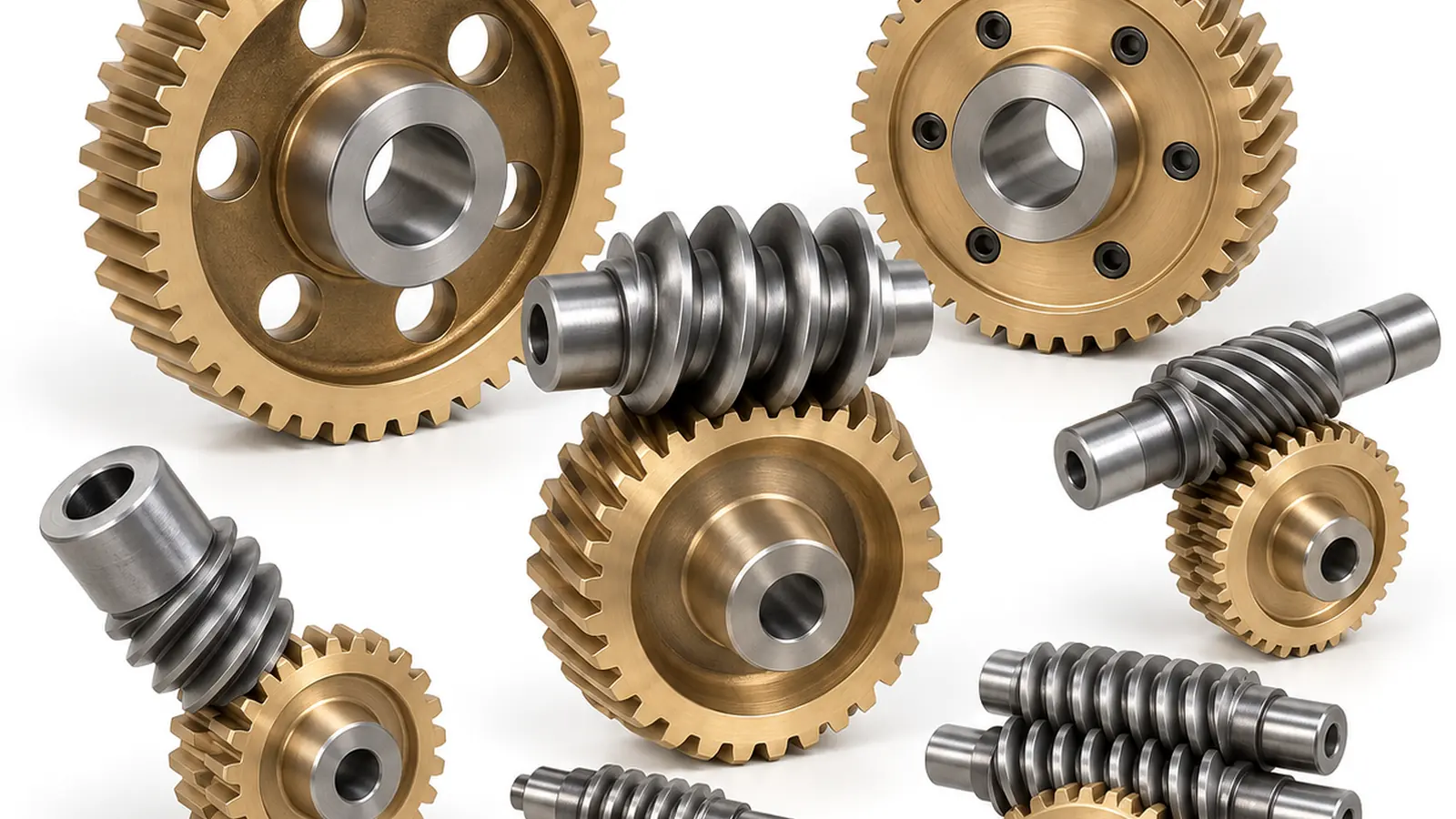
Plastic and metal gears solve different design priorities; neither is automatically superior.
Engineering plastics can reduce mass, resist corrosion and run with different noise/lubrication behavior, while metals provide higher stiffness and temperature capability in many applications.
A metal-to-plastic conversion usually needs more than a material substitution. Tooth face width, hub thickness, shaft fit and thermal clearance may need to change to account for lower stiffness and different expansion. The opportunity is that plastic can integrate features or reduce lubrication/noise requirements in some mechanisms. Treat the conversion as a system redesign with explicit success criteria, not a one-line material change.
Design inputs that change the answer
Compare torque, speed, temperature, shock load, wear pair, lubrication, expected life, noise and assembly constraints.
Inclua essas informações no desenho controlado, na especificação ou no anexo da solicitação de cotação, sempre que possível. Mantê-las fora de conversas informais facilita a comparação entre fornecedores e revisões posteriores.
Failure mode worth screening
Replacing a metal gear with plastic without changing tooth size or housing support can exceed the polymer’s allowable deflection or heat conditions.
Validation in the real assembly
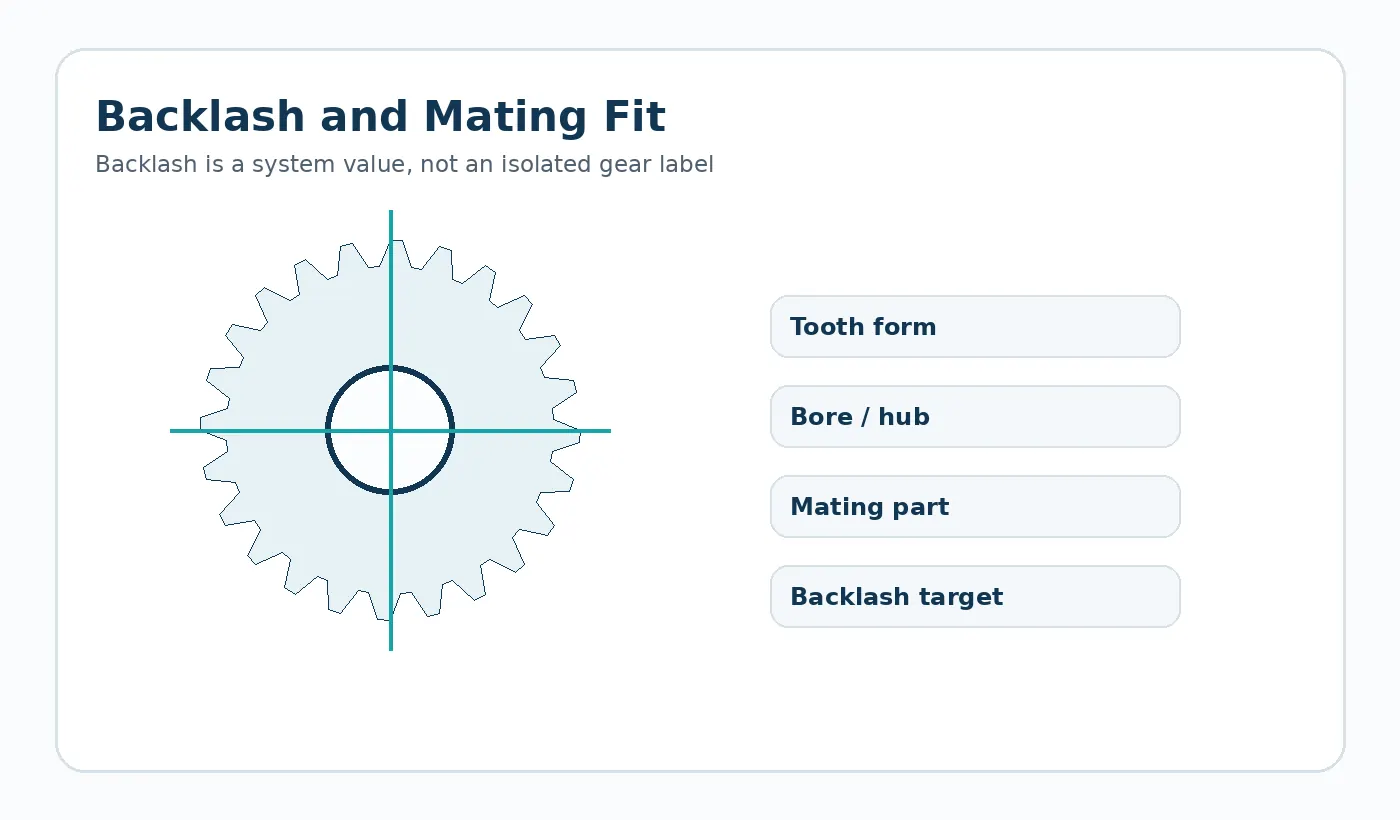
Prototype the complete mesh and define what success means: wear, noise, backlash, temperature, efficiency or life.
For Plastic vs Metal Gears, record the exact material grade and conditioning/environment used during validation. Material names alone are too broad for a repeat-production acceptance record.
RFQ handoff
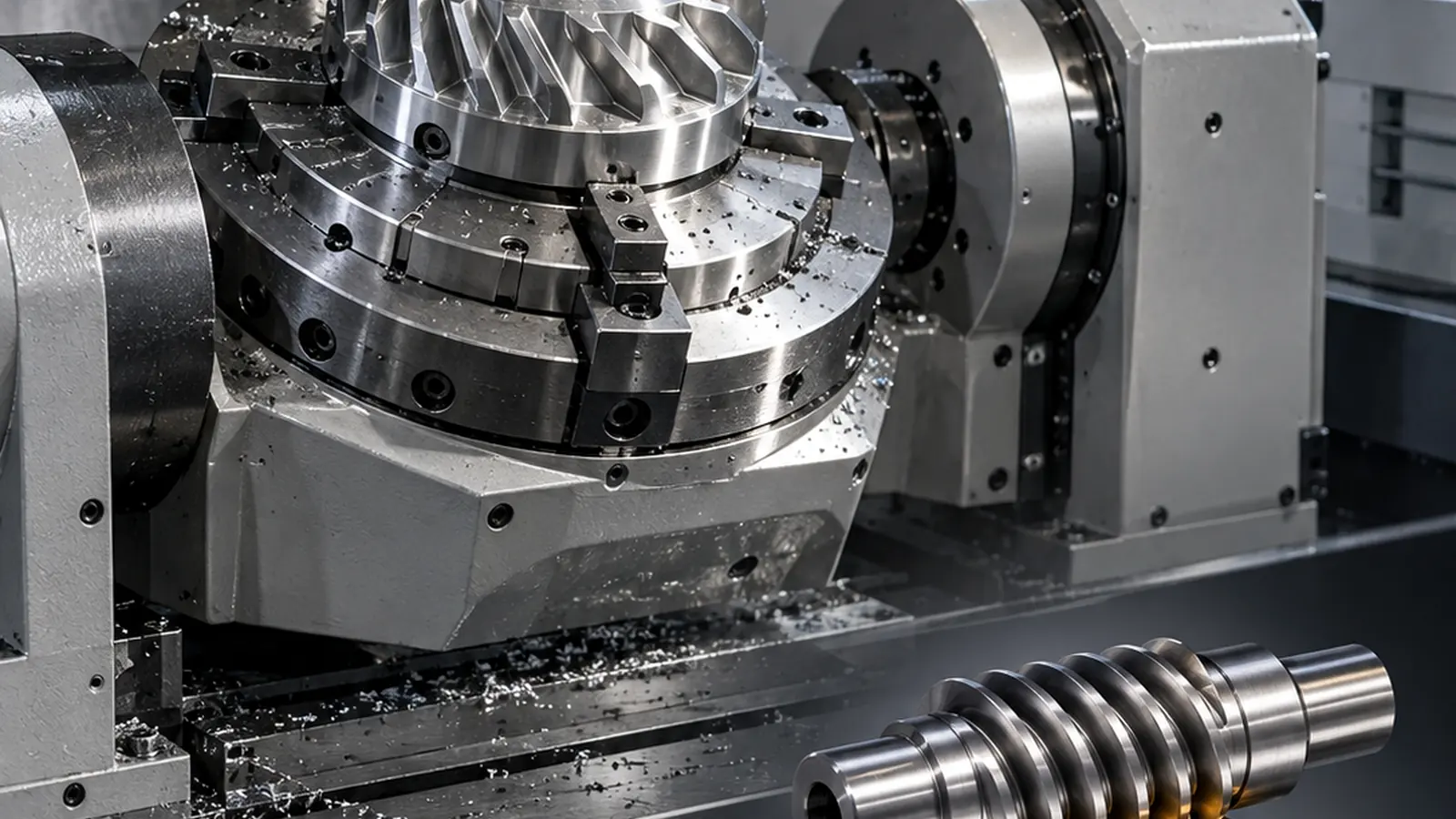
Before requesting a price for plastic vs metal gears, identify the current drawing revision, production quantity, material constraint and the feature that most strongly affects function. Ask the supplier to flag any deviation from those inputs in the quotation so technical alternatives stay visible.
Análise prática do projeto para esta decisão.
Material selection should connect the polymer to the function and manufacturing route. Review temperature, moisture, chemicals, stiffness, wear pair, dimensional stability and exact grade requirements. A material that performs well in isolation can still be a poor choice when the mating surface or inspection condition is different.
Registre as premissas no desenho ou na solicitação de cotação para que o fornecedor possa confirmá-las antes de enviar a proposta. Quando um valor for desconhecido, identifique-o como um item de engenharia aberto, em vez de copiar um número de catálogo genérico que pode não corresponder à montagem.
Folha de verificação
- Service temperature
- Moisture / chemical exposure
- Load and stiffness need
- Wear pair / lubrication
- Dimensional-stability priority
- Exact grade or approved substitution limits
Utilize a primeira amostra para concluir esses pontos com evidências dimensionais e a verificação funcional relevante. Qualquer desvio aceitável deve ser registrado na revisão controlada antes da produção de nova amostra.