Escolha uma família de produtos e, em seguida, defina as entradas de controle.
O catálogo abaixo está organizado em torno da geometria e aplicação dos componentes, em vez de nomes genéricos de resinas. Cada página de produto explica as dimensões, as decisões sobre materiais e as informações de produção necessárias para uma cotação útil.
Para uma peça existente, inclua um desenho ou uma amostra de referência. Para um novo projeto, adicione informações sobre a peça de acoplamento e identifique quais dimensões ou características de movimento são críticas.
Rotas de seleção comuns
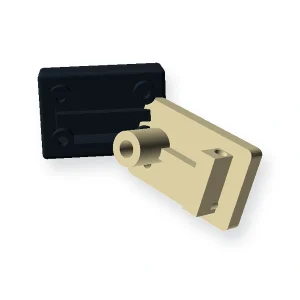
Peças moldadas sob encomenda
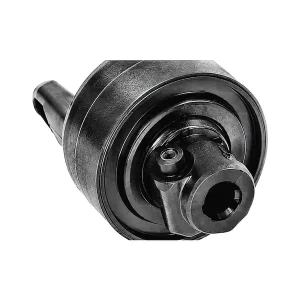
Desenho específico de alojamentos, guias, coberturas, características estruturais e mecanismos funcionais.
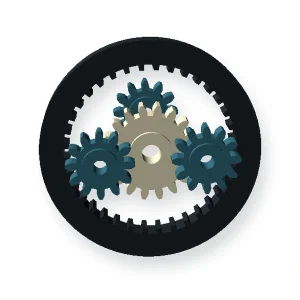
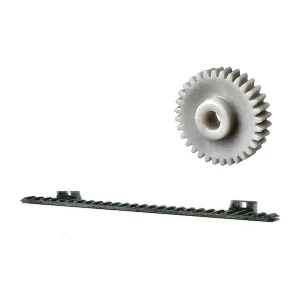
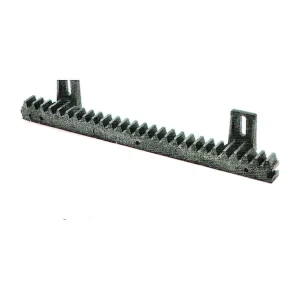
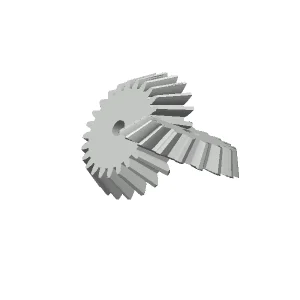
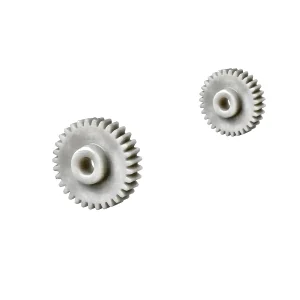
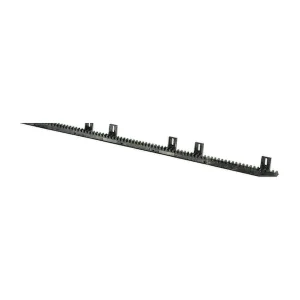
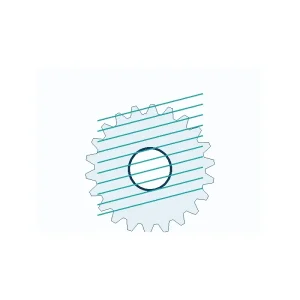
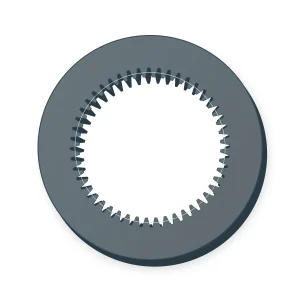
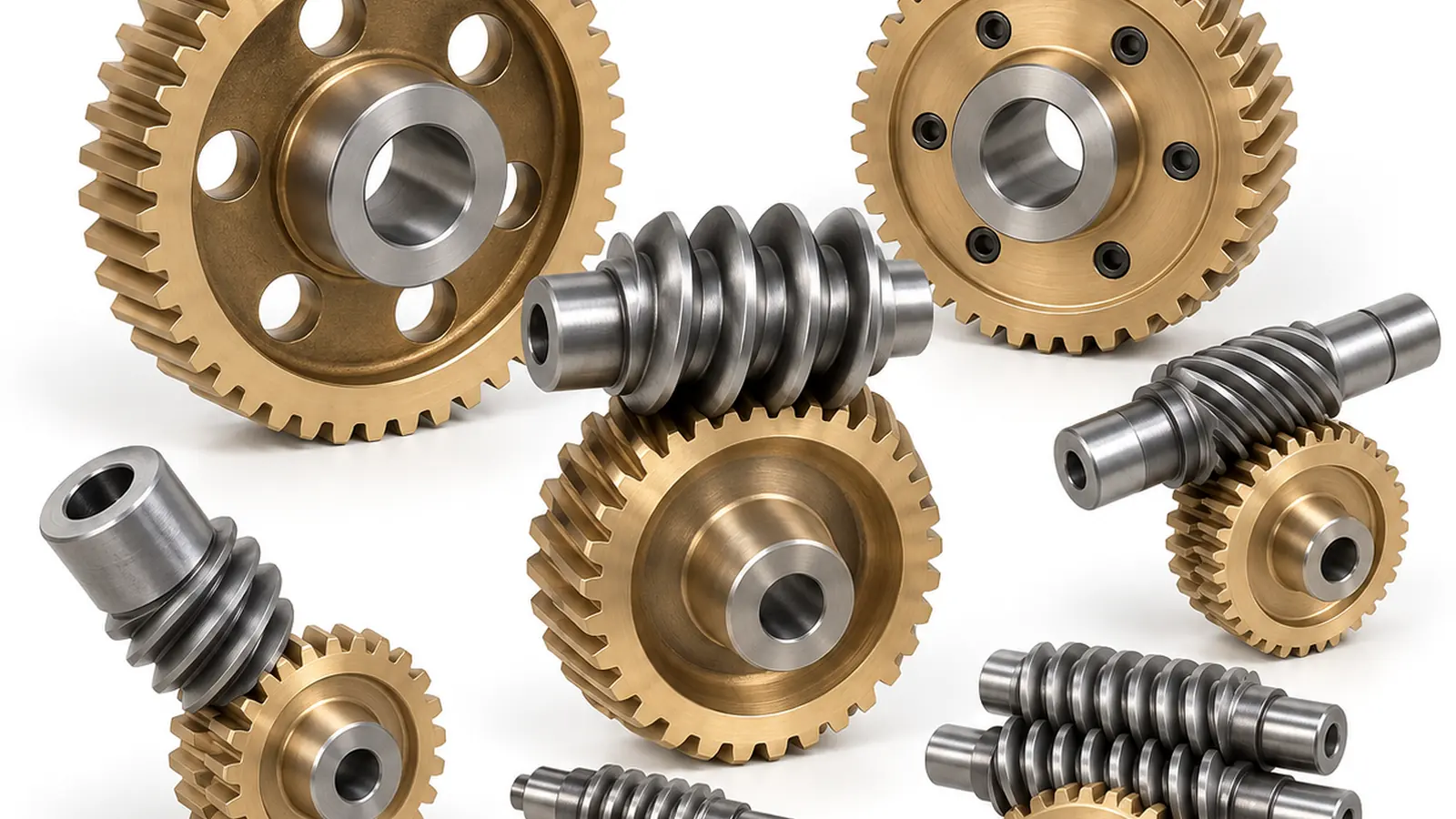
Engrenagens e cremalheiras de plástico
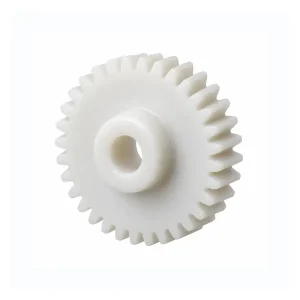
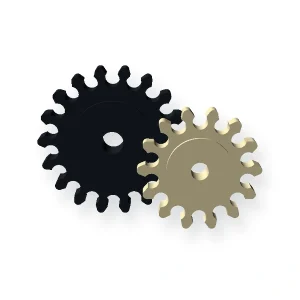
Geometrias de movimento esporão, helicoidal, chanfrada, sem-fim, interna, planetária e linear.
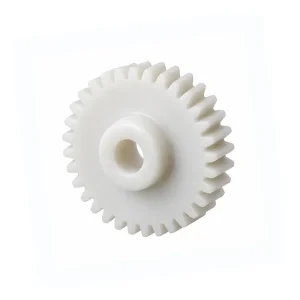
Rodas dentadas de plástico
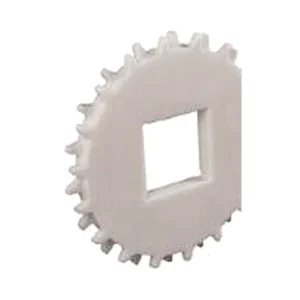
Os componentes da transmissão por corrente são selecionados com base na série da corrente, número de dentes, diâmetro do furo, cubo e ambiente de operação.
How the catalogue is structured
Use geometry as the first filter. A rack, bevel gear, internal gear, worm wheel and chain sprocket can all be made from engineering plastics, but they require different mating information and different assembly datums. The product-family pages therefore start from the mechanical interface instead of presenting a long resin list.
| Starting point | Open this route when… | Bring to the review |
|---|---|---|
| Standard geometry family | The component is recognizably a gear, rack or sprocket. | Tooth or chain system, mate, shaft interface and duty. |
| Custom molded component | The shape is defined by your assembly and cannot be selected from a standard family. | CAD, datums, wall map, inserts, loads, environment and volume. |
| Material-led replacement | A legacy metal or plastic part has a known field problem. | Existing sample, failure mode, mating surfaces and the requirement the new material must solve. |
Do not choose the manufacturing route too early
Injection molding is usually evaluated against annual demand, geometry, tool access, wall design and repeatability needs. Machining can be more practical for lower quantities, larger stock shapes, cast nylon components or projects where geometry is still changing. Some projects combine molding with a controlled secondary bore, datum or insert operation.
The correct route is the one that meets the functional drawing with acceptable process risk and total project cost. Send both quantity and revision status so tooling is not proposed for a design that is still moving.