Start from the mechanism
A strong RFQ makes technical risk visible before price is discussed.
Suppliers need enough information to distinguish a prototype from a repeat-production project and to identify tooling, resin, inspection and secondary-operation requirements.
Good quotes are comparable because the suppliers are pricing the same technical scope. Include whether tooling belongs in the quote, who owns the CAD revision, how many first samples are needed and which inspection report is expected. If an alternative resin is allowed, ask the supplier to identify it explicitly rather than silently substituting. Open assumptions should appear in the quotation, not remain in email history.
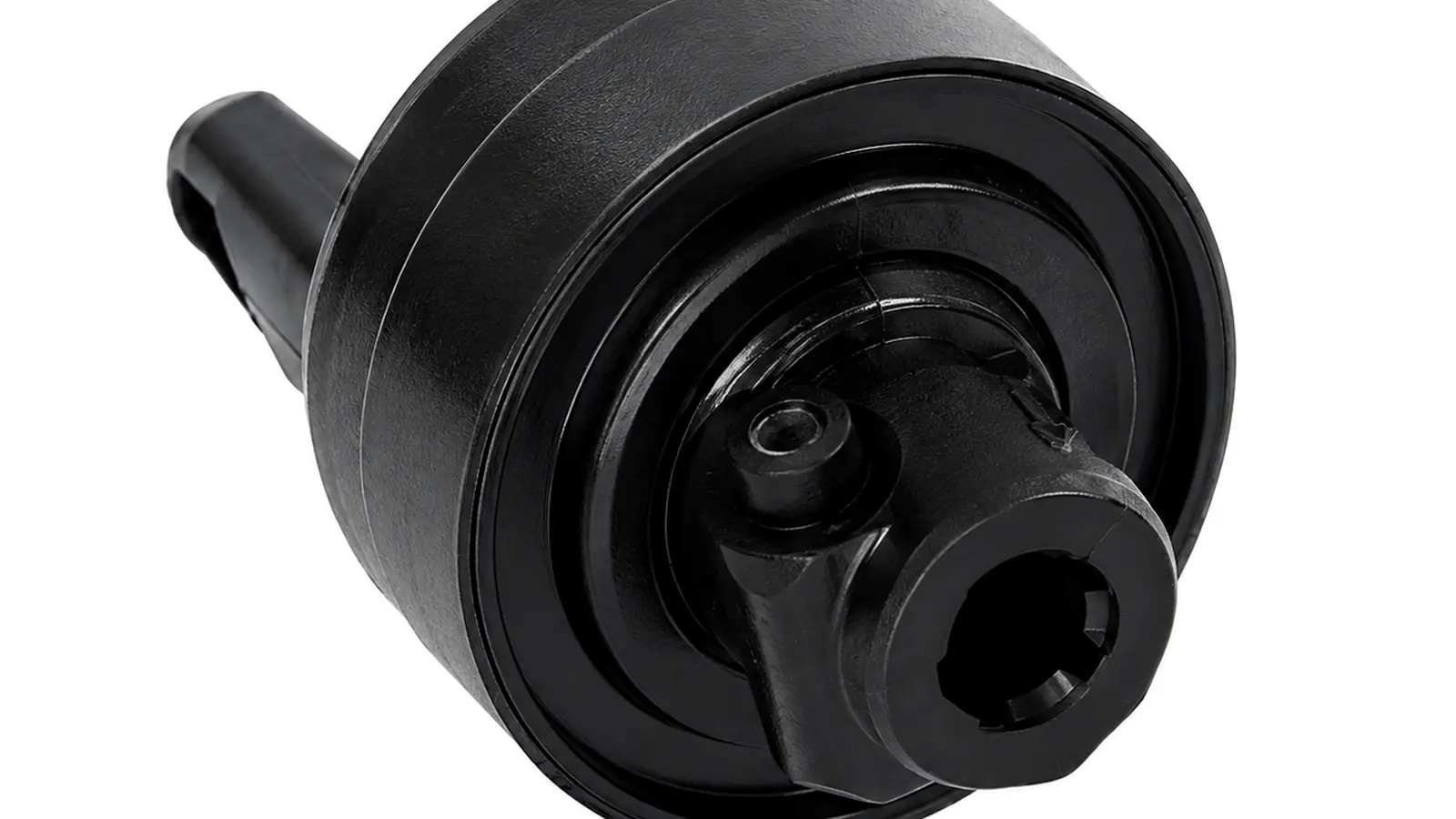
Inputs to freeze before quotation
Send 2D/3D data, resin requirement or environment, quantities, colour/finish, inserts, critical dimensions, samples and target timeline.
Put these inputs on the controlled drawing, specification or RFQ attachment where possible. Keeping them out of informal message threads makes supplier comparisons and later revisions easier to manage.
What can invalidate the assumption
An image plus a target price leaves too many technical assumptions and often produces quotes that are not comparable.
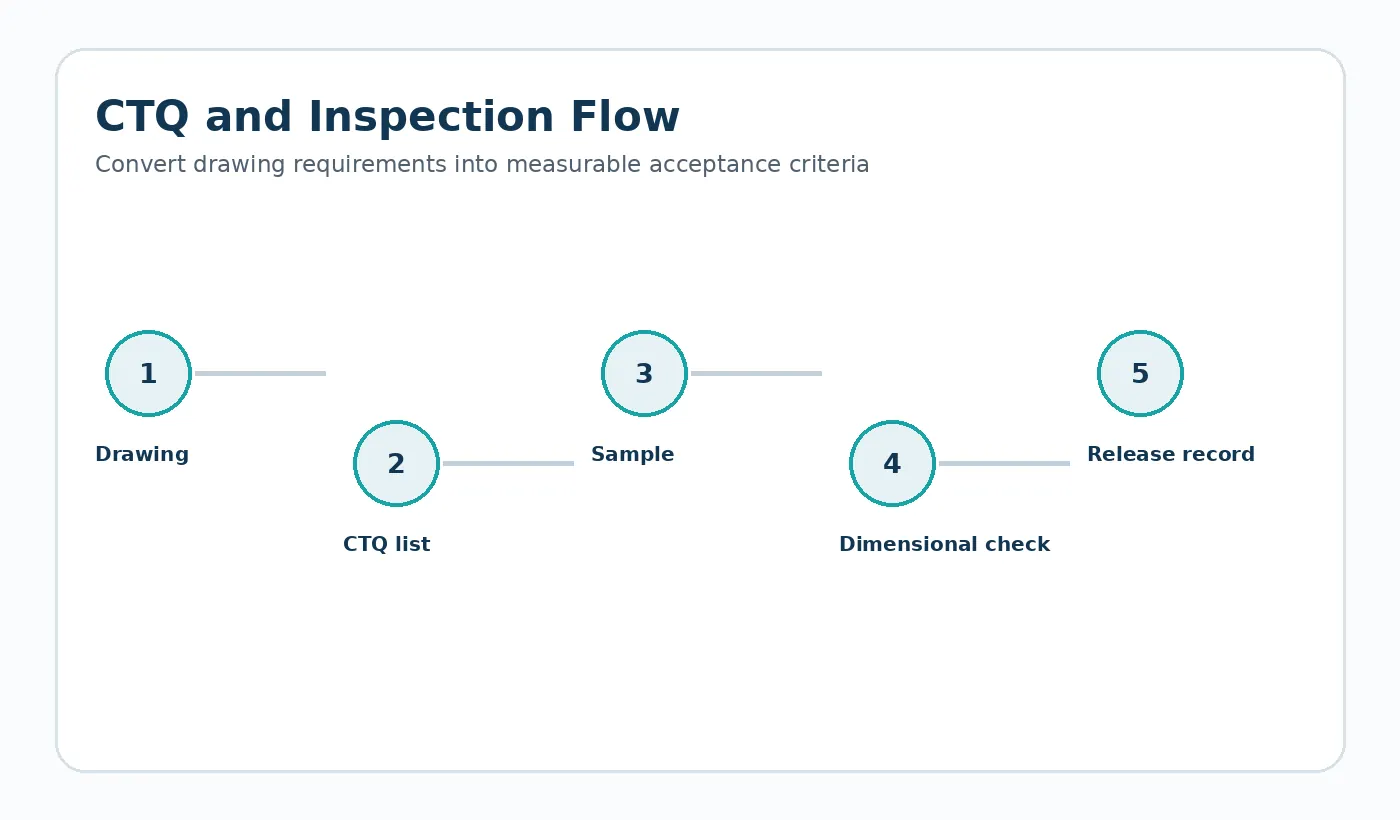
Verification strategy
Issue the RFQ with a revision-controlled drawing and ask suppliers to list deviations or open assumptions.
For Preparing an Injection Molded Parts RFQ, close the DFM loop by updating the controlled CAD/drawing and sample plan. A recommendation that never reaches the released revision cannot be inspected consistently in production.

Procurement checklist
Before requesting a price for preparing an injection molded parts rfq, identify the current drawing revision, production quantity, material constraint and the feature that most strongly affects function. Ask the supplier to flag any deviation from those inputs in the quotation so technical alternatives stay visible.