Mulailah dengan mekanisme dan kondisi pengoperasian.
Komponen yang berkinerja baik dalam mekanisme perkantoran dengan beban ringan mungkin memerlukan material, strategi toleransi, atau jalur manufaktur yang berbeda dalam mesin konveyor atau mesin otomatis. Oleh karena itu, pemilihan aplikasi dimulai dengan tugas, antarmuka, dan lingkungan.
Gunakan jalur aplikasi di bawah ini untuk mengidentifikasi informasi pengoperasian yang harus menyertai gambar atau sampel Anda.
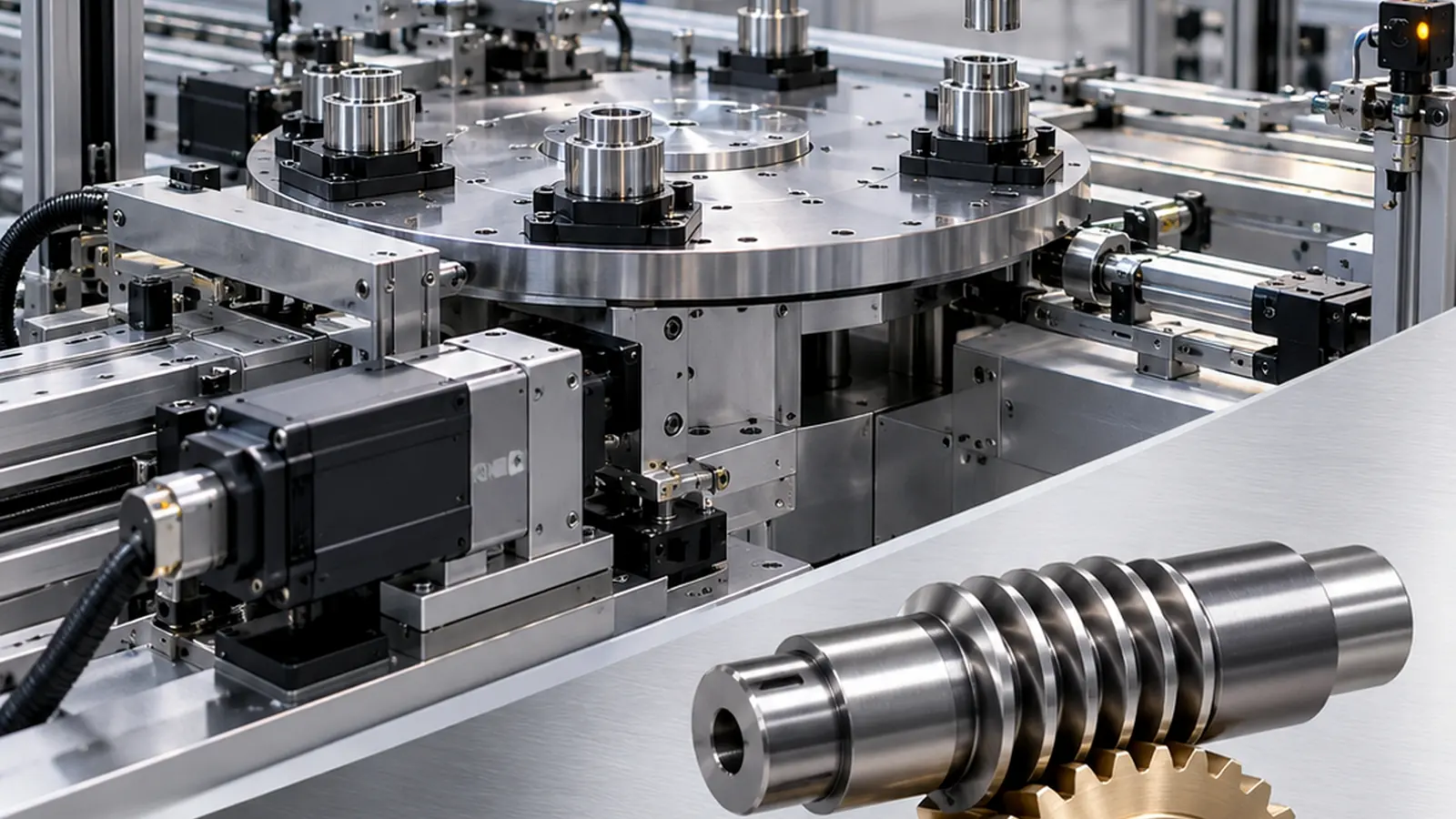
Informasi aplikasi yang mengubah jawaban
Gerakan
Kecepatan, siklus kerja, perubahan arah, akurasi pengindeksan, dan sensitivitas terhadap celah.
Lingkungan
Suhu, kelembapan, pencucian, debu, bahan kimia, dan paparan pelumas.
Perakitan
Poros, bantalan, pengencang, sambungan tekan, sisipan, roda gigi pasangan, dan ruang pemasangan yang diizinkan.
Start with the machine duty, then select the component
Application pages are organized around the conditions that change part behavior: continuous versus indexing motion, reversing loads, washdown or contamination, positioning sensitivity, nearby heat and the stiffness of the surrounding structure. These inputs can change the correct polymer, tooth geometry and inspection plan.
| Machine question | Component implication |
|---|---|
| Does motion reverse frequently? | Backlash, shaft support and compliance become more visible. |
| Is the part exposed to water or cleaners? | Material compatibility and dimensional conditioning need review. |
| Is position accuracy critical? | Inspect the assembled datum chain, not only the free part. |
| Is duty continuous? | Heat generation, wear pair and lubrication deserve more attention. |
Validation should represent the real assembly
For functional plastic drive components, a dimensional report is necessary but not always sufficient. Use a first-article test that reflects the actual center distance, bearing support, chain alignment, load direction or fastening method. That is where tolerance stack, material movement and assembly stiffness become visible.
Use the application to set the design envelope
The same plastic gear or molded component can behave very differently in a continuously running conveyor, an intermittent indexing machine and a warm enclosed appliance. Application selection therefore starts with duty cycle, speed, load direction, shock or reversal, surrounding temperature, moisture or washdown exposure, chemicals, lubrication, neighboring materials and the maintenance interval.
Motion profile
Record continuous or intermittent running, peak and normal speed, starts and stops, reversals, positioning sensitivity and any dwell periods that influence heat or creep.
Lingkungan
Specify service temperature, humidity or water contact, cleaning chemicals, dust, UV exposure and any food, medical or electrical constraints that must be evaluated separately.
Interface and acceptance
Define mating material, shaft or fastener interfaces, alignment, backlash or clearance targets, critical datums and the functional test used to accept the first production sample.
Translate machine conditions into a component specification
Application context changes the answer even when two components look identical. A slowly indexed gear inside a protected office mechanism and a continuously running gear beside a washdown conveyor may share the same nominal tooth geometry, but they do not share the same environmental, wear or dimensional-stability problem. The application review should therefore connect the component drawing to the whole mechanism.
| Application input | Why it matters | What to document |
|---|---|---|
| Load and duty cycle | Affects tooth stress, bearing reaction, wear and heat generation. | Steady/peak load, reversals, starts per hour and expected life. |
| Motion accuracy | Changes the importance of backlash, compliance and datum control. | Positioning target, allowed lost motion and the complete tolerance chain. |
| Lingkungan | Moisture, temperature and chemicals can change polymer properties and dimensions. | Normal and worst-case conditions, cleaners, lubricants and exposure time. |
| Maintenance | Lubrication and replacement strategy affect material and mating-pair choices. | Permitted lubricant, inspection interval and field-replacement constraints. |
For a replacement part, include the current failure mode rather than asking only for a harder or stronger plastic. Wear, cracking, bore creep, noise, dimensional movement and assembly damage point to different engineering causes. The review should solve the failure mechanism instead of merely changing resin names.