تفصیل
Drawing-specific functional plastic components
This route covers components that combine mechanical functions but do not fit a standard gear, rack, sprocket or housing category. The drawing and assembly context define the product.
For a legacy component without CAD, reverse engineering should start from function rather than copying every measured dimension. Wear can change an old sample, and non-functional surfaces may vary between production lots. Mark the interfaces that truly need interchangeability before rebuilding the drawing.
How to read the product photograph
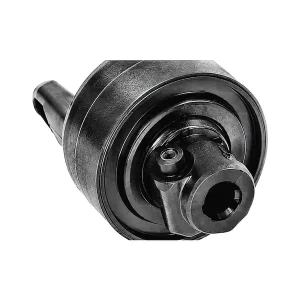
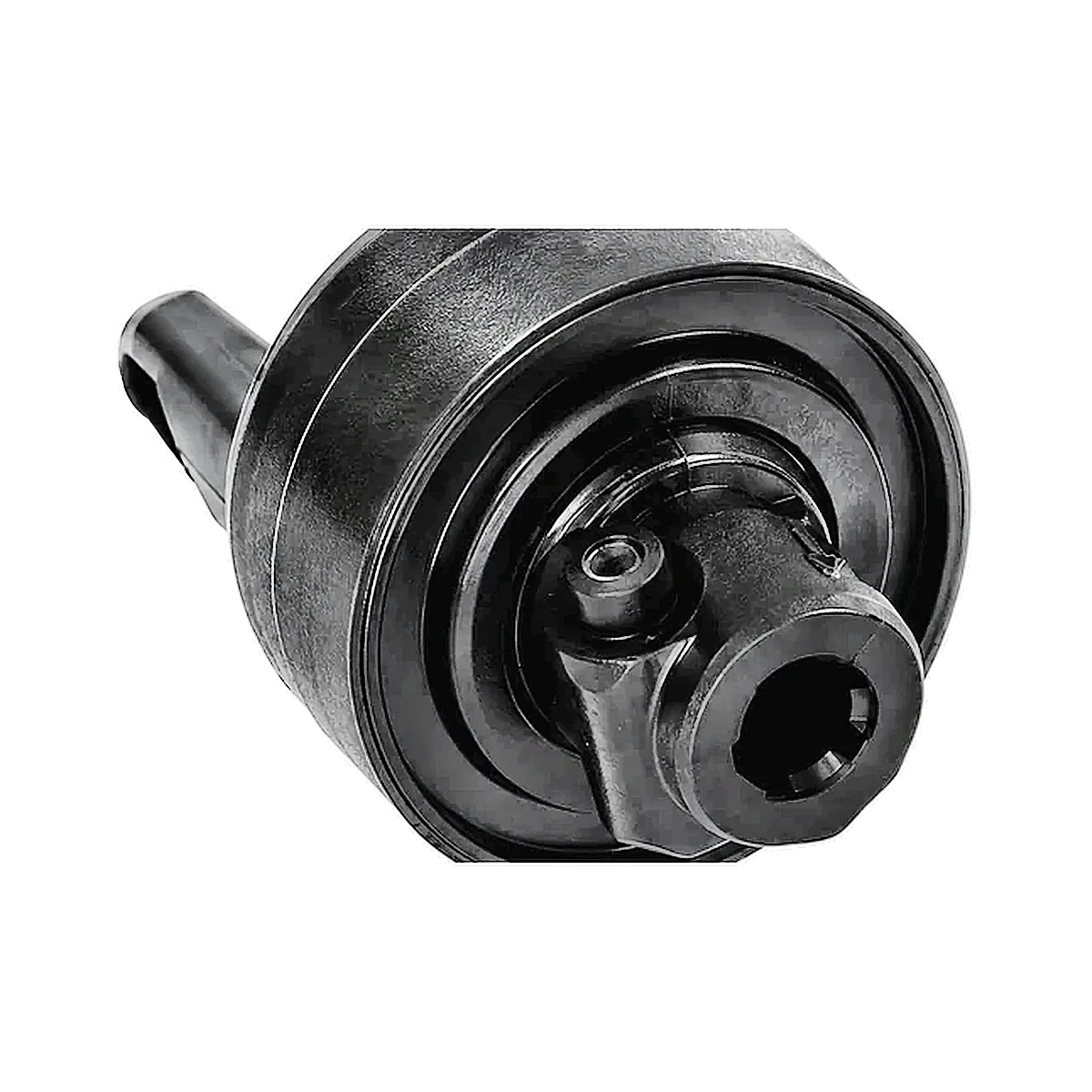
The main image is a photograph of a physical sample or representative component, not a dimensional definition. Resin colour, tooth count, bore or hub features, rack length, inserts and other details can change with the released drawing. Use the photograph to understand the product family; use the controlled drawing, mating interface and agreed inspection plan to manufacture and approve the part.
Geometry and interface inputs for Custom Functional Plastic Components
- CAD and drawing revision
- Functional interfaces and mating parts
- Material/environment requirements
- Load, cycle and wear conditions
- Quantity, sample plan and inspection priorities
جیومیٹری حوالہ: Drawing-based structural, sliding, locating or motion component
پیداوار کے راستے کا انتخاب
The manufacturing route may include injection molding, machining or secondary operations. Geometry maturity, quantity, material form and tolerance requirements determine the sequence.
پیک شدہ عمل کا حوالہ: Injection molding, machining or hybrid route after engineering review
مواد کی سمت: Project-specific engineering thermoplastic

ایپلیکیشن مخصوص ڈیزائن کا جائزہ
Problems often arise when a part is quoted from an isolated image without the interfaces that control assembly. Over-constraining non-functional dimensions can also raise cost without improving performance.
عام استعمال: Machine subassemblies, guides, wear parts, covers, electromechanical mechanisms and replacement components. The final material and tolerance plan should be checked against the load path, mating components and environment in that assembly.
پہلا نمونہ اور معائنہ فوکس
Prioritize CTQ dimensions, fit checks and any functional features such as sliding, rotating or snapping interfaces. Use cosmetic criteria only where appearance is an actual requirement.
کوٹیشن کا فیصلہ: The function, contact surfaces, inserts, fasteners, wall transitions, tolerance stack and production volume determine the practical manufacturing route.
What to send for a Custom Functional Plastic Components quotation
تازہ ترین ڈرائنگ یا CAD ماڈل کو پیداوار کی مقدار اور اطلاق کی شرائط کے ساتھ بھیجیں جو فٹ، پہننے یا جہتی استحکام کو متاثر کرتی ہیں۔ اگر حصہ کسی موجودہ جزو کی جگہ لے لیتا ہے، تو ان خصوصیات کی نشاندہی کریں جن کا تبادلہ ہونا ضروری ہے اور کوئی بھی معلوم فیلڈ مسئلہ جسے نیا حصہ حل کرنے کا ارادہ رکھتا ہے۔
- جب دستیاب ہو تو کنٹرول شدہ ڈرائنگ ریویژن اور 3D ماڈل
- ملاوٹ کا حصہ یا ٹرانسمیشن جیومیٹری
- مواد کی ضرورت یا خدمت کا ماحول
- نمونہ کی مقدار، پیداوار بیچ اور متوقع سالانہ طلب
- اہم طول و عرض اور فعال قبولیت کا طریقہ
Engineering specification to freeze before manufacture
A production drawing should convert the application into measurable inputs. The table below is the minimum review set for this product family; add any assembly-specific datum, finish or acceptance requirement that changes function.
| Definition | What the supplier needs |
|---|---|
| Controlled CAD / drawing | Show the value, tolerance or functional requirement on the latest drawing. |
| Function and load path | Show the value, tolerance or functional requirement on the latest drawing. |
| Mating surfaces and datums | Show the value, tolerance or functional requirement on the latest drawing. |
| Wall transitions / ribs / bosses | Show the value, tolerance or functional requirement on the latest drawing. |
| Inserts / fasteners / bearings | Show the value, tolerance or functional requirement on the latest drawing. |
| Resin or service requirements | Show the value, tolerance or functional requirement on the latest drawing. |
| Critical dimensions / inspection method | Show the value, tolerance or functional requirement on the latest drawing. |
| Prototype and production volume | Show the value, tolerance or functional requirement on the latest drawing. |
Failure modes to prevent during design review
Common risks for this geometry include sink or warp around thick transitions; insert or boss loading without a clear load path; ambiguous datums that make inspection inconsistent. These are best addressed before the first sample by reviewing the complete mating interface, not by tightening every drawing tolerance.
Use tolerances selectively. Dimensions that establish the tooth mesh, chain engagement, shaft fit or assembly datum deserve explicit measurement methods; non-critical molded surfaces can often use a more practical general tolerance.
First-article and production acceptance
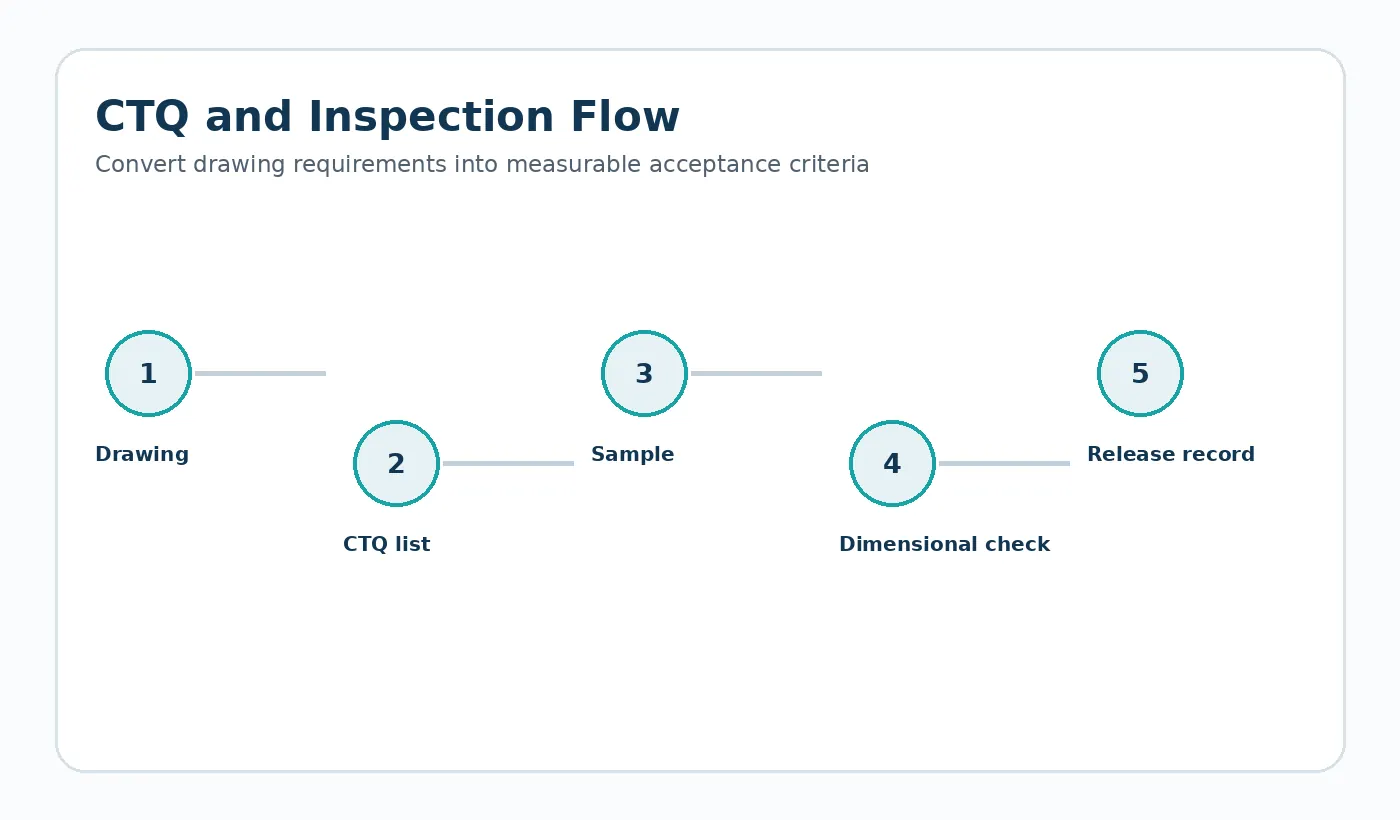
Agree the inspection condition, datums and measuring method before sampling. The first-article report should cover the drawing CTQs and then be paired with a functional check in the real assembly or a representative fixture. For gears and sprockets, that can include mesh or chain engagement, runout and bore relationship; for custom molded parts it can include fit, fastening and loaded features.
Production control should follow the same CTQs rather than replacing them with a long list of easy-to-measure cosmetic dimensions. If a bore, tooth, insert or mounting surface is secondary-machined, make clear which operation establishes the final datum.
Custom Functional Plastic Components FAQ
What should I send for quotation?
Send the latest 2D drawing and, where available, a 3D model. Add mating-part information, order quantity, service conditions and the features that control fit or motion. A sample is useful for replacement parts with uncertain legacy geometry.
How should the material be specified?
Material should be selected from service temperature, chemicals or moisture, stiffness, wear, dimensional requirements and production route. A preferred grade can be quoted, but the application requirements should be supplied with it.
How is the first sample approved?
Define the CTQs, inspection state and functional test before the sample is produced. Approval should confirm both measurable geometry and the behavior of the part in its intended interface.
Engineering decision brief for Custom Functional Plastic Components
Define the geometry
Drawing-based structural, sliding, locating or motion component The quotation should use the drawing revision and mating interface as the controlling definition rather than an image alone.
Choose material by duty
Project-specific engineering thermoplastic Material selection should be checked against load, speed, temperature, moisture or chemicals, lubrication and the required dimensional condition.
Freeze the production route
Injection molding, machining or hybrid route after engineering review The route should be fixed only after quantity, tolerances, surface requirements and change risk are understood.
Agree acceptance
The function, contact surfaces, inserts, fasteners, wall transitions, tolerance stack and production volume determine the practical manufacturing route. First-article checks should therefore focus on the dimensions and functional interfaces that control the assembly.
Typical application context: Machine components, guides, retainers, brackets, housings, wear elements and custom electromechanical parts.