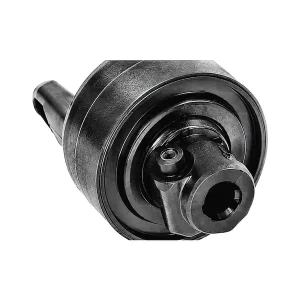
Description
Drawing-specific functional plastic components
This route covers components that combine mechanical functions but do not fit a standard gear, rack, sprocket or housing category. The drawing and assembly context define the product.
For a legacy component without CAD, reverse engineering should start from function rather than copying every measured dimension. Wear can change an old sample, and non-functional surfaces may vary between production lots. Mark the interfaces that truly need interchangeability before rebuilding the drawing.
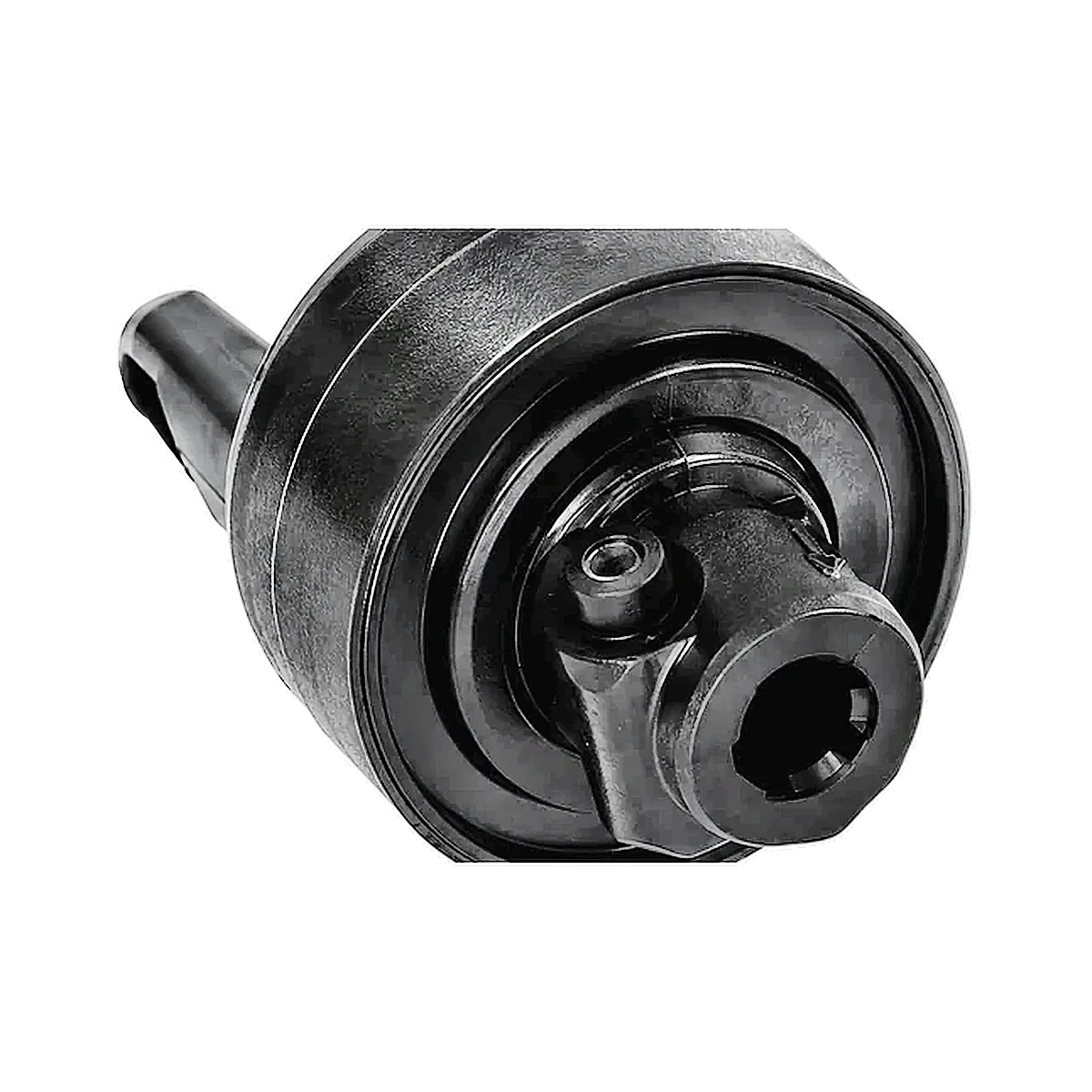
Geometry and interface inputs for Custom Functional Plastic Components
- CAD and drawing revision
- Functional interfaces and mating parts
- Material/environment requirements
- Load, cycle and wear conditions
- Quantity, sample plan and inspection priorities
Geometry reference: Drawing-based structural, sliding, locating or motion component
Choosing the production route
The manufacturing route may include injection molding, machining or secondary operations. Geometry maturity, quantity, material form and tolerance requirements determine the sequence.
Packaged process reference: Injection molding, machining or hybrid route after engineering review
Material direction: Project-specific engineering thermoplastic
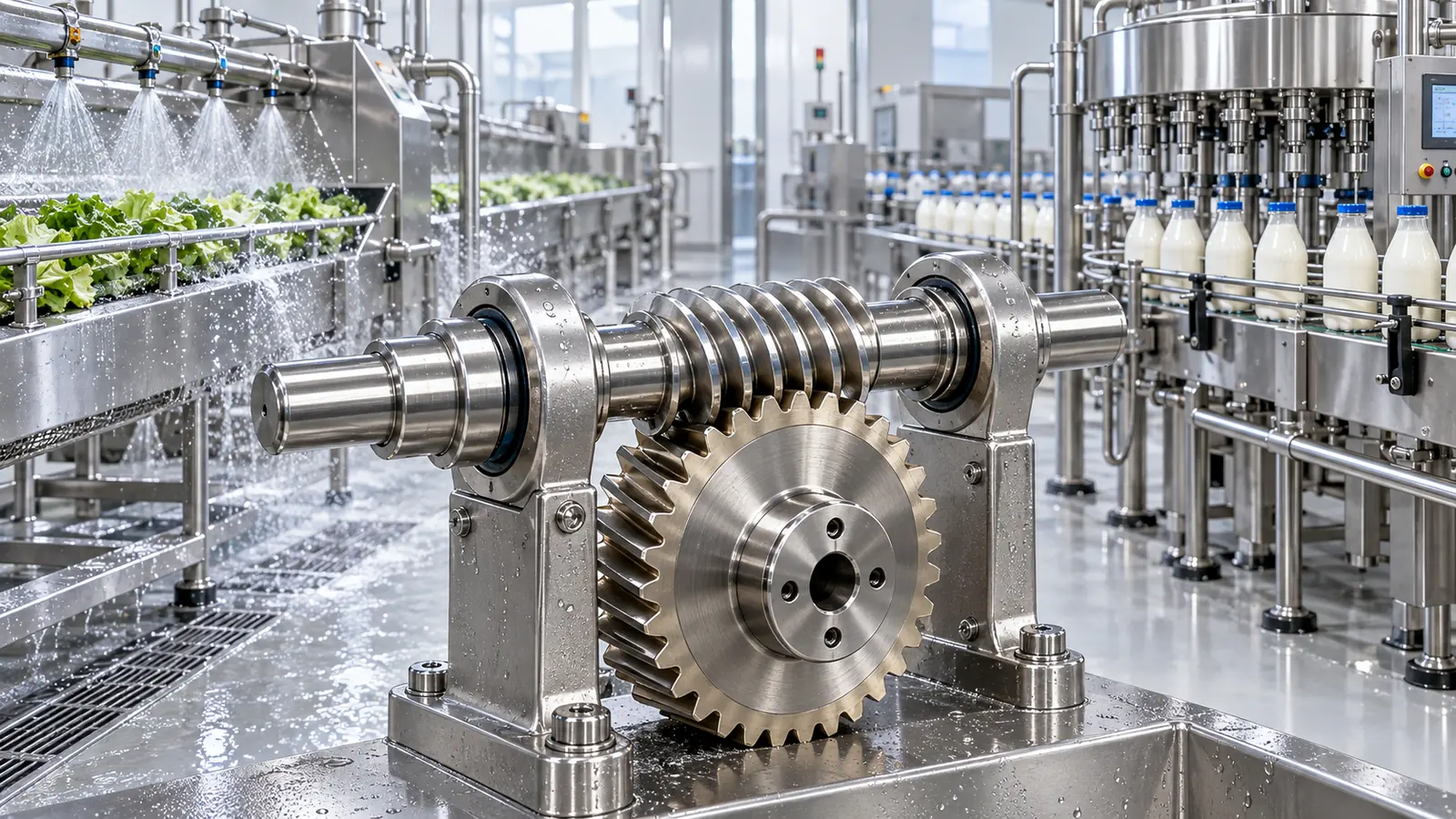
Application-specific design review
Problems often arise when a part is quoted from an isolated image without the interfaces that control assembly. Over-constraining non-functional dimensions can also raise cost without improving performance.
Typical use: Machine subassemblies, guides, wear parts, covers, electromechanical mechanisms and replacement components. The final material and tolerance plan should be checked against the load path, mating components and environment in that assembly.
First sample and inspection focus
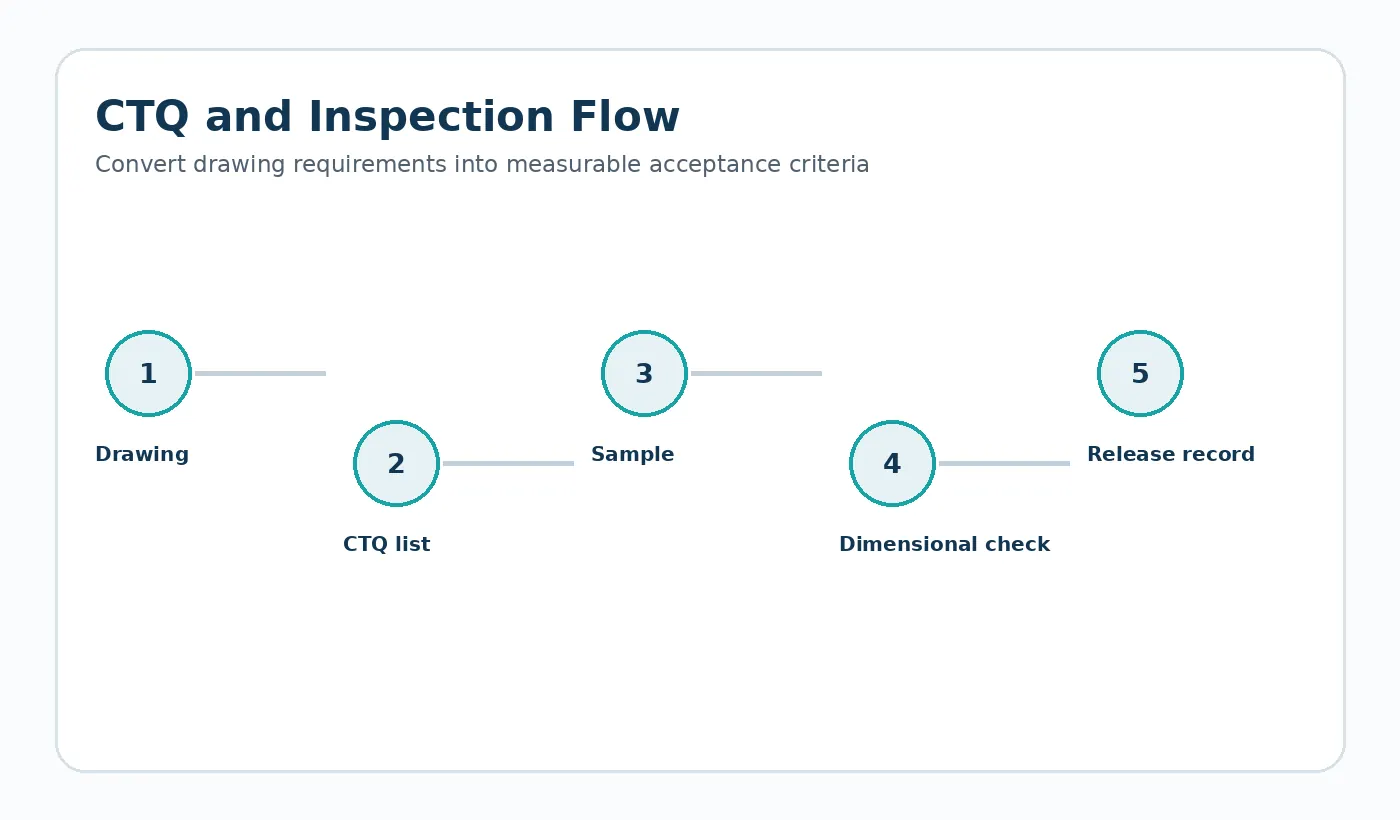
Prioritize CTQ dimensions, fit checks and any functional features such as sliding, rotating or snapping interfaces. Use cosmetic criteria only where appearance is an actual requirement.
Quotation decision: The function, contact surfaces, inserts, fasteners, wall transitions, tolerance stack and production volume determine the practical manufacturing route.
What to send for a Custom Functional Plastic Components quotation
Send the latest drawing or CAD model together with production quantity and the application conditions that affect fit, wear or dimensional stability. If the part replaces an existing component, identify the features that must remain interchangeable and any known field issue the new part is intended to solve.
- Controlled drawing revision and 3D model when available
- Mating-part or transmission geometry
- Material requirement or service environment
- Sample quantity, production batch and expected annual demand
- Critical dimensions and functional acceptance method