Опис
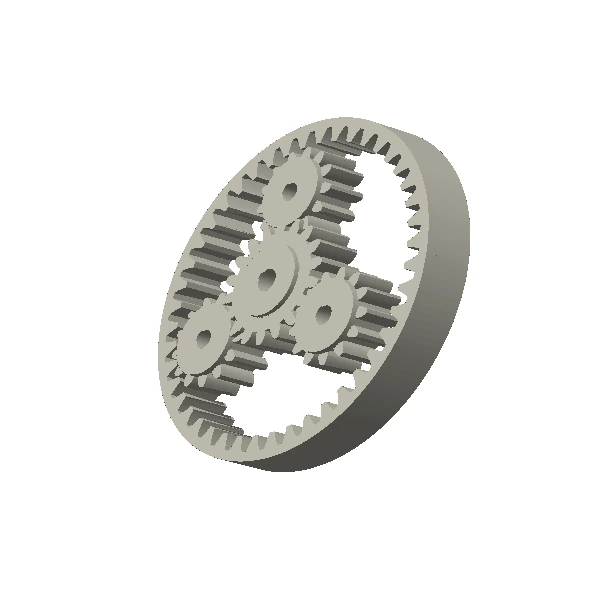
Компоненти сонячної, планетарної та вінцевої шестерень
Планетарна передача – це система з кількох одночасних зачеплень. Кількість зубів, геометрія водила, положення штифтів планетарної передачі та концентричність вінця шестерні повинні бути взаємно сумісними, перш ніж окремі компоненти будуть зняті.
Для планетарних систем потрібна сумісна арифметика кількості зубців та геометрія водила. Якщо очікується, що навантаження розподіляється між кількома планетарними системами, положення їхніх штифтів та опорне кільце повинні контролюватися разом. Інтегровані литі водила можуть зменшити кількість деталей, але вони також додають геометрію штифта/підшипника до стеку допусків лиття.
How to read the product image
The main image is a representative technical redraw because the available raster source could not be enlarged without losing tooth-edge definition. It is used to communicate the product family and mechanical topology only. Tooth count, pitch/module, bore, hub, chain interface, material and all production dimensions are controlled by the released drawing.
Геометрія та інтерфейсні вхідні дані для компонентів планетарних передач, виготовлених методом лиття під тиском на замовлення
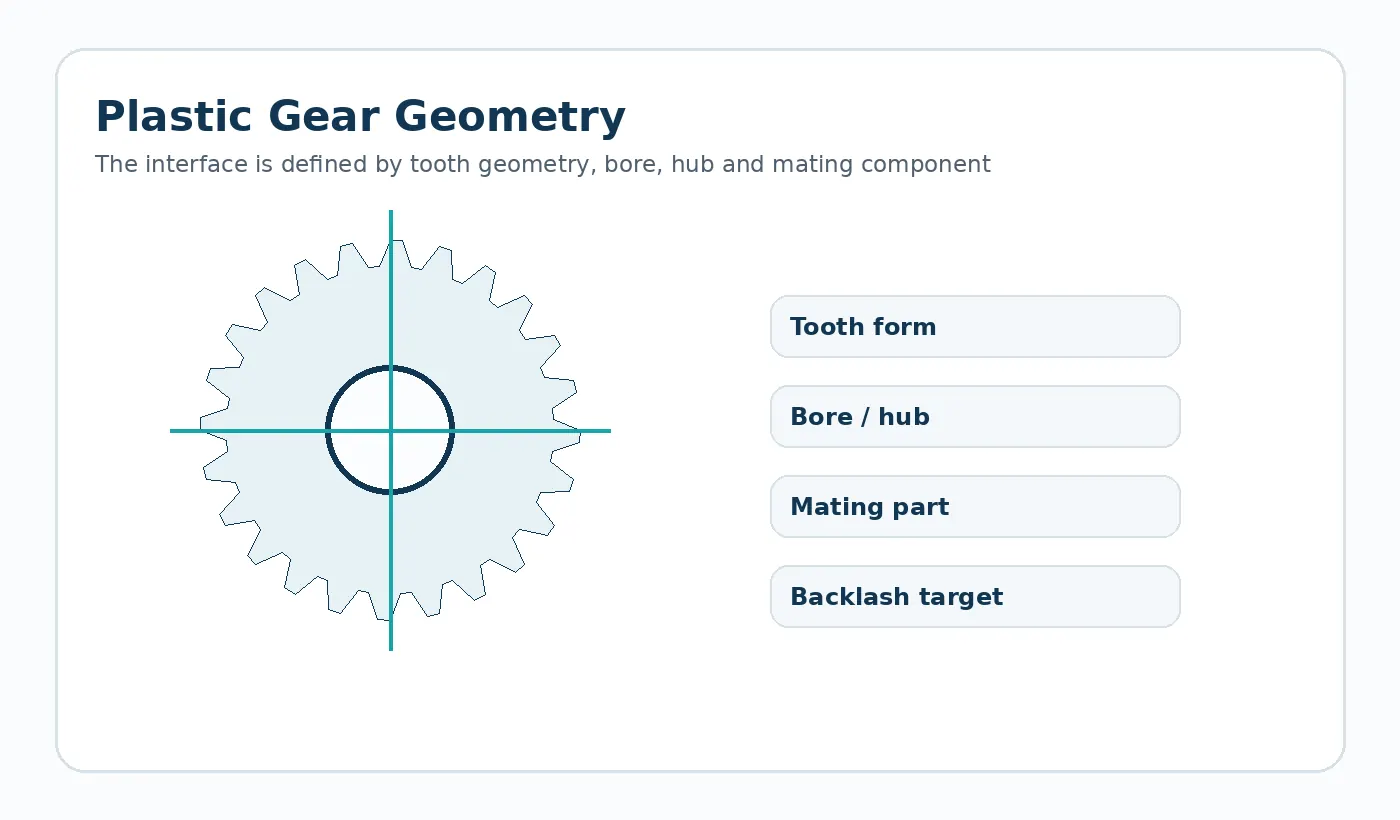
- Кількість зубців Сонця, планет та кілець
- Модуль/DP та кут тиску
- Кількість планет та коло штифтів водила
- Отвори, штифтові посадки та кріплення кілець
- Фазування, люфт та траєкторія крутного моменту
Довідка з геометрії: Сонце, планета, кільце та пов'язані з ним планетарні компоненти
Вибір виробничого маршруту
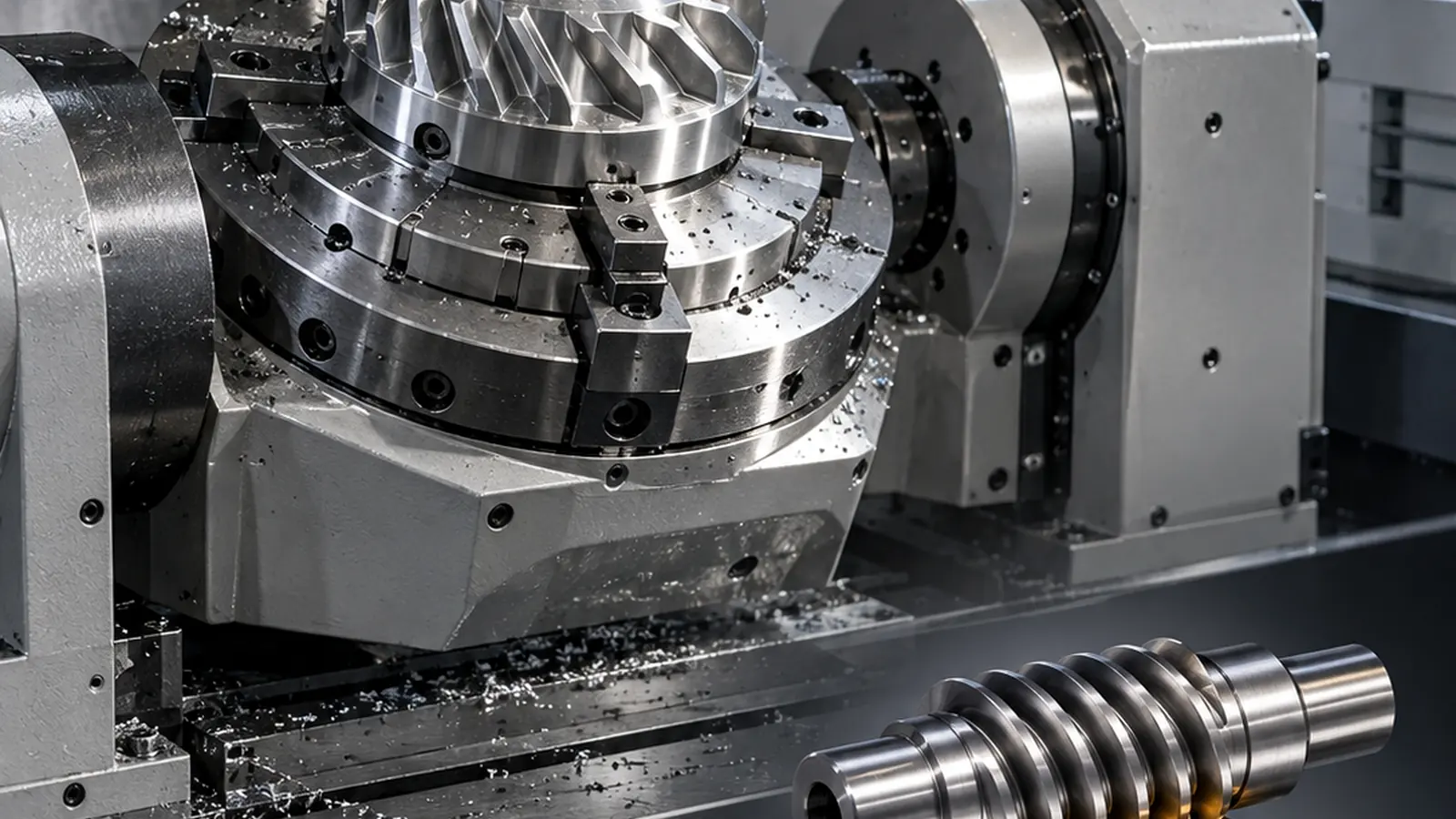
Лиття під тиском може інтегрувати елементи шестерень та маточин для повторюваного обсягу, тоді як механічна обробка може бути кращою під час розробки або для певних матеріалів та розмірів. Перед вибором маршруту слід переглянути весь потяг.
Довідка з упакованого процесу: Лиття під тиском для підтверджених нестандартних конфігурацій
Напрямок матеріалу: Нейлон або інший обраний інженерний полімер після розгляду проекту
Огляд проекту, орієнтованого на конкретне застосування
Невеликі помилки кроку або положення можуть накопичуватися на кількох планетах. Тому розташування контактів несучої частоти та спотворення кільця можуть впливати на розподіл навантаження та шум.
Типове використання: Компактні редуктори, виконавчі механізми, офісні механізми та електромеханічні приводи. Остаточний план матеріалів та допусків слід перевірити відносно траєкторії навантаження, сполучних компонентів та середовища в цьому вузлі.
Перший зразок та фокус перевірки
Перевірте геометрію шестерні та позиційні опорні точки, що визначають розташування сателлітів. Функціональні випробування складання можуть бути доцільними, коли розподіл навантаження або шум є критичною вимогою.
Рішення щодо котирування: Вкажіть системне передавально число, кількість зубців, модуль, співвідношення кільця/сонця/планети, геометрію водила, межі з'єднань отвору/вала, швидкість, навантаження та вимоги до циклу.
Що надіслати для отримання цінової пропозиції на компоненти планетарної передачі, литі методом лиття під тиском, на замовлення
Надішліть найновіше креслення або модель CAD разом із обсягом виробництва та умовами застосування, які впливають на посадку, знос або стабільність розмірів. Якщо деталь замінює існуючий компонент, визначте елементи, які повинні залишатися взаємозамінними, та будь-які відомі польові проблеми, які має вирішити нова деталь.
- Контрольований перегляд креслень та 3D-модель, якщо вони доступні
- Геометрія сполучної частини або передачі
- Вимоги до матеріалів або умови обслуговування
- Кількість зразків, виробнича партія та очікуваний річний попит
- Критичні розміри та метод функціональної прийнятності
Engineering specification to freeze before manufacture
A production drawing should convert the application into measurable inputs. The table below is the minimum review set for this product family; add any assembly-specific datum, finish or acceptance requirement that changes function.
| Definition | What the supplier needs |
|---|---|
| Sun tooth count | Show the value, tolerance or functional requirement on the latest drawing. |
| Planet tooth count | Show the value, tolerance or functional requirement on the latest drawing. |
| Ring tooth count | Show the value, tolerance or functional requirement on the latest drawing. |
| Module / pressure angle | Show the value, tolerance or functional requirement on the latest drawing. |
| Planet quantity and carrier pin locations | Show the value, tolerance or functional requirement on the latest drawing. |
| Ring mounting datum | Show the value, tolerance or functional requirement on the latest drawing. |
| Bore / shaft interfaces | Show the value, tolerance or functional requirement on the latest drawing. |
| Ratio, load, speed and backlash target | Show the value, tolerance or functional requirement on the latest drawing. |
Failure modes to prevent during design review
Common risks for this geometry include carrier pin position error; ring-to-sun eccentricity; unequal planet load sharing. These are best addressed before the first sample by reviewing the complete mating interface, not by tightening every drawing tolerance.
Use tolerances selectively. Dimensions that establish the tooth mesh, chain engagement, shaft fit or assembly datum deserve explicit measurement methods; non-critical molded surfaces can often use a more practical general tolerance.
First-article and production acceptance
Agree the inspection condition, datums and measuring method before sampling. The first-article report should cover the drawing CTQs and then be paired with a functional check in the real assembly or a representative fixture. For gears and sprockets, that can include mesh or chain engagement, runout and bore relationship; for custom molded parts it can include fit, fastening and loaded features.
Production control should follow the same CTQs rather than replacing them with a long list of easy-to-measure cosmetic dimensions. If a bore, tooth, insert or mounting surface is secondary-machined, make clear which operation establishes the final datum.
Engineering decision brief for Custom Injection Molded Planetary Gear Components
Define the geometry
Sun, planet, ring and related planetary components The quotation should use the drawing revision and mating interface as the controlling definition rather than an image alone.
Choose material by duty
Nylon or other selected engineering polymer after project review Material selection should be checked against load, speed, temperature, moisture or chemicals, lubrication and the required dimensional condition.
Freeze the production route
Injection molding for confirmed custom configurations The route should be fixed only after quantity, tolerances, surface requirements and change risk are understood.
Agree acceptance
Provide system ratio, tooth counts, module, ring/sun/planet relationship, carrier geometry, bore/shaft interfaces, speed, load and cycle requirements. First-article checks should therefore focus on the dimensions and functional interfaces that control the assembly.
Typical application context: Compact actuators, office equipment, appliances, robotics auxiliaries and custom motion systems.
Custom Injection Molded Planetary Gear Components FAQ
What should I send for quotation?
Send the latest 2D drawing and, where available, a 3D model. Add mating-part information, order quantity, service conditions and the features that control fit or motion. A sample is useful for replacement parts with uncertain legacy geometry.
How should the material be specified?
For POM or nylon projects, material family alone is not enough. Confirm the actual grade when it is mandatory, and state moisture, temperature, lubricant and mating material so dimensional and wear behavior can be reviewed.
How is the first sample approved?
Define the CTQs, inspection state and functional test before the sample is produced. Approval should confirm both measurable geometry and the behavior of the part in its intended interface.