Avgjørelse først
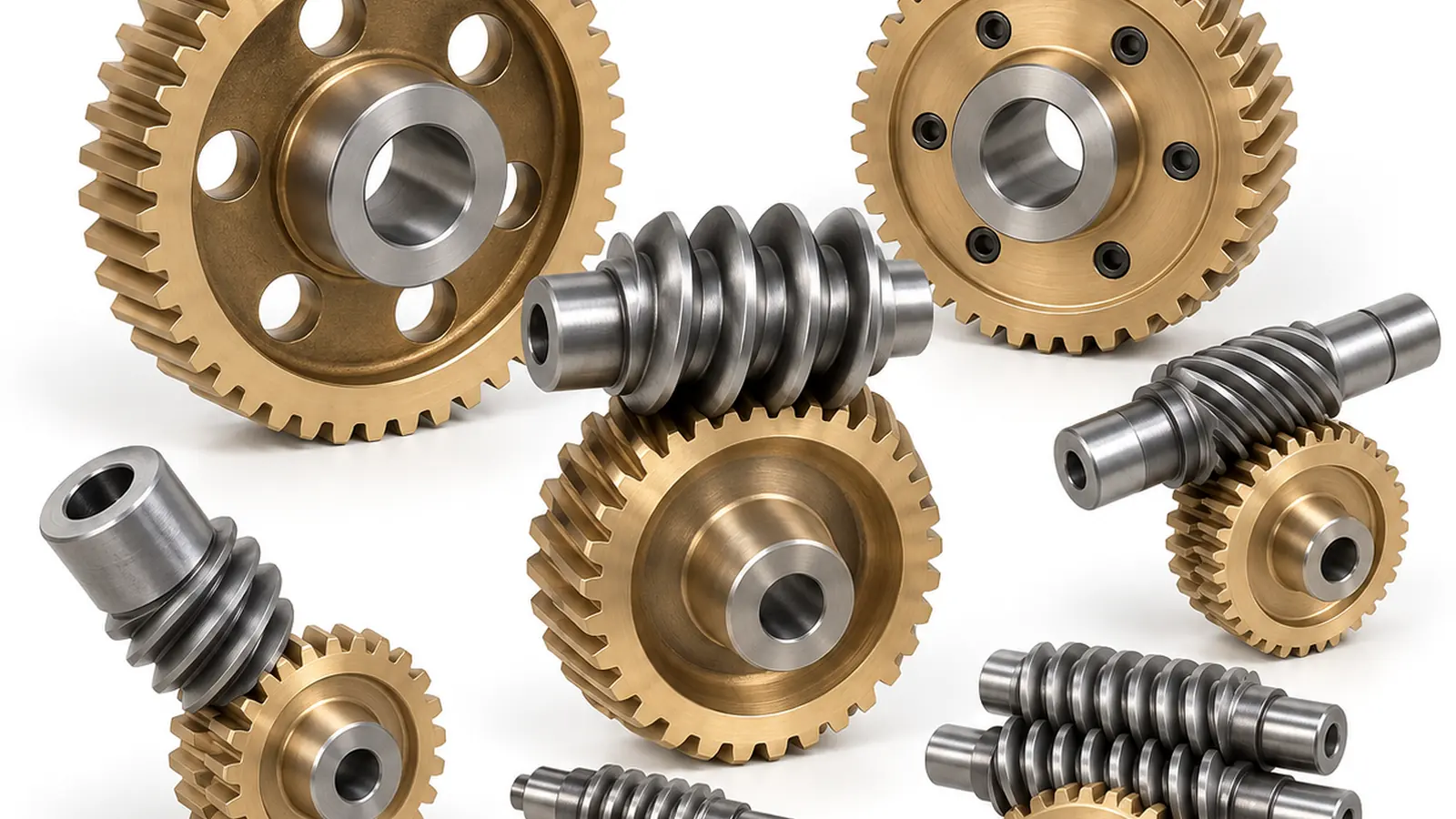
Plastic and metal gears solve different design priorities; neither is automatically superior.
Engineering plastics can reduce mass, resist corrosion and run with different noise/lubrication behavior, while metals provide higher stiffness and temperature capability in many applications.
A metal-to-plastic conversion usually needs more than a material substitution. Tooth face width, hub thickness, shaft fit and thermal clearance may need to change to account for lower stiffness and different expansion. The opportunity is that plastic can integrate features or reduce lubrication/noise requirements in some mechanisms. Treat the conversion as a system redesign with explicit success criteria, not a one-line material change.
Designinndata som endrer svaret
Compare torque, speed, temperature, shock load, wear pair, lubrication, expected life, noise and assembly constraints.
Legg disse inndataene på den kontrollerte tegningen, spesifikasjonen eller vedlegget til tilbudsspørsmålet der det er mulig. Å holde dem unna uformelle meldingstråder gjør det enklere å håndtere leverandørsammenligninger og senere revisjoner.
Feilmodus verdt å sjekke
Replacing a metal gear with plastic without changing tooth size or housing support can exceed the polymer’s allowable deflection or heat conditions.
Validering i den virkelige monteringen
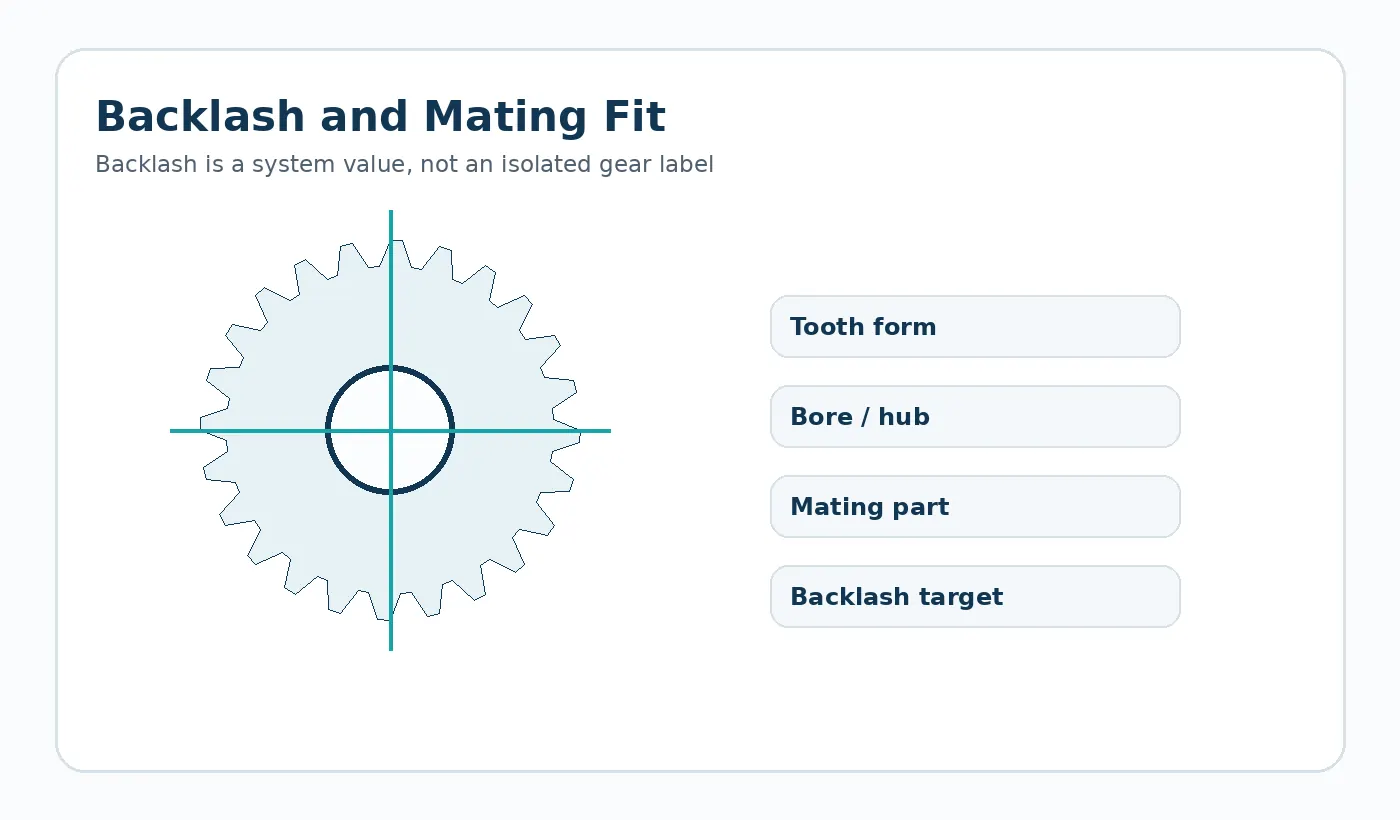
Prototype the complete mesh and define what success means: wear, noise, backlash, temperature, efficiency or life.
For Plastic vs Metal Gears, record the exact material grade and conditioning/environment used during validation. Material names alone are too broad for a repeat-production acceptance record.
Overlevering av tilbudstekst
Before requesting a price for plastic vs metal gears, identify the current drawing revision, production quantity, material constraint and the feature that most strongly affects function. Ask the supplier to flag any deviation from those inputs in the quotation so technical alternatives stay visible.
Praktisk designgjennomgang for denne avgjørelsen
Material selection should connect the polymer to the function and manufacturing route. Review temperature, moisture, chemicals, stiffness, wear pair, dimensional stability and exact grade requirements. A material that performs well in isolation can still be a poor choice when the mating surface or inspection condition is different.
Registrer forutsetningene på tegningen eller i tilbudsforespørselen slik at leverandøren kan bekrefte dem før tilbudet gis. Når en verdi er ukjent, identifiser den som en åpen konstruksjonsvare i stedet for å kopiere et generisk katalognummer som kanskje ikke samsvarer med monteringen.
Verifiseringsark
- Service temperature
- Moisture / chemical exposure
- Load and stiffness need
- Wear pair / lubrication
- Dimensional-stability priority
- Exact grade or approved substitution limits
Bruk den første prøven til å lukke disse punktene med både dimensjonsdokumentasjon og relevant funksjonskontroll. Eventuelle aksepterte avvik bør fanges opp i den kontrollerte revisjonen før gjentatt produksjon.