Packaging machines reward controlled low-mass motion
Packaging equipment can place gears, racks, sprockets and molded guides close to product flow, film paths, sealing mechanisms and repeated indexing stations. Fast cycling makes alignment, wear and dimensional consistency more important than a simple material label.
Specify the drive ratio, shaft or rack interface, cleaning conditions and expected maintenance approach before selecting a component family.

Packaging-machine selection priorities
Indexing and timing
Confirm cycle rate, acceleration, driven inertia and allowable lost motion.
Cleanability
Describe washdown, food-zone restrictions or chemical exposure when applicable.
Maintenance
Consider access, lubrication strategy, replacement interval and compatibility with mating components.
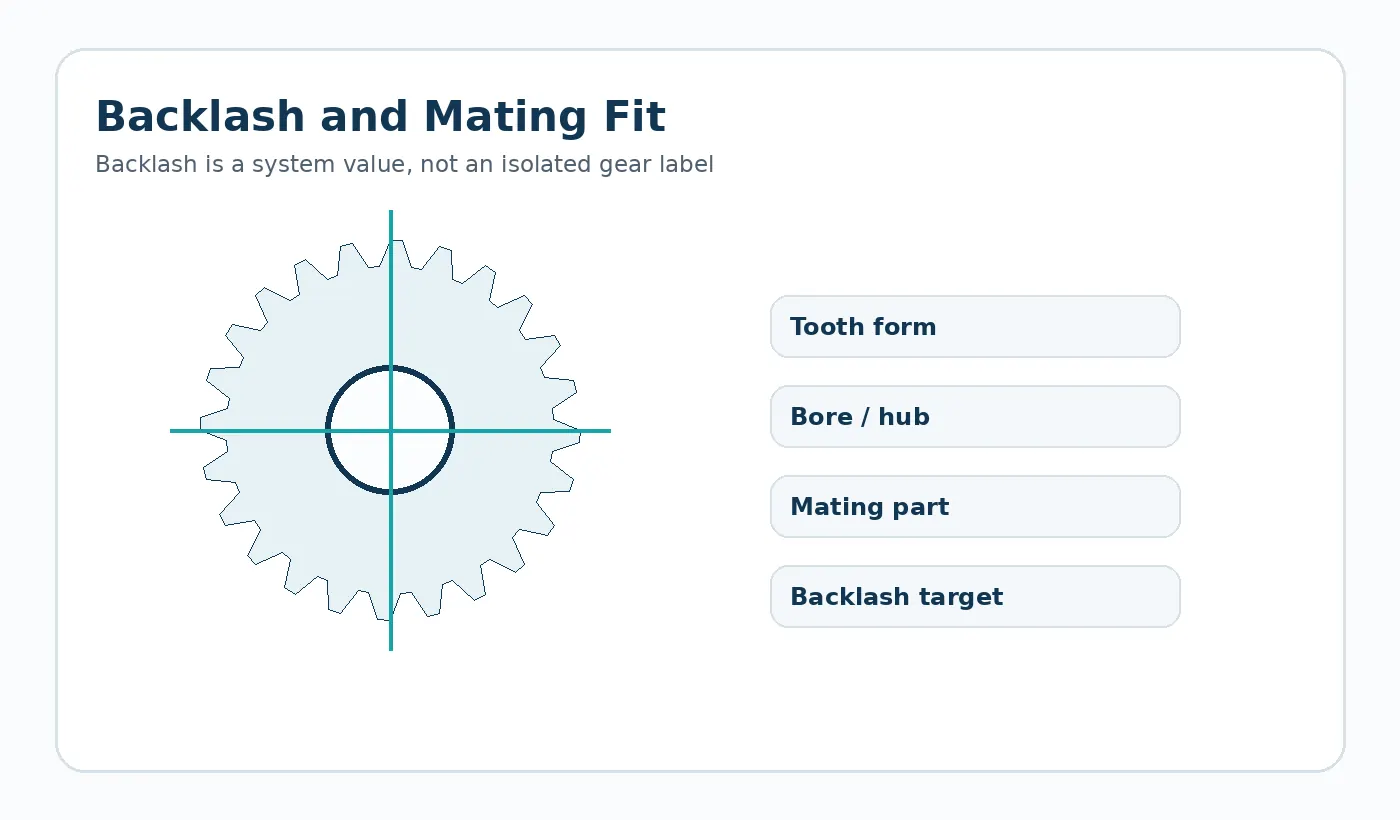
Duty cycle matters more than average speed
Packaging machinery often accelerates and decelerates parts repeatedly. The peak tooth load during indexing can differ significantly from a simple average-torque estimate. Include jams, emergency stops or start-up transients when they are credible service events.
If the gear or rack is close to a product-contact zone, material and lubricant restrictions may narrow the design. Cleanability and chemical exposure should be described rather than assumed from the word “packaging.”
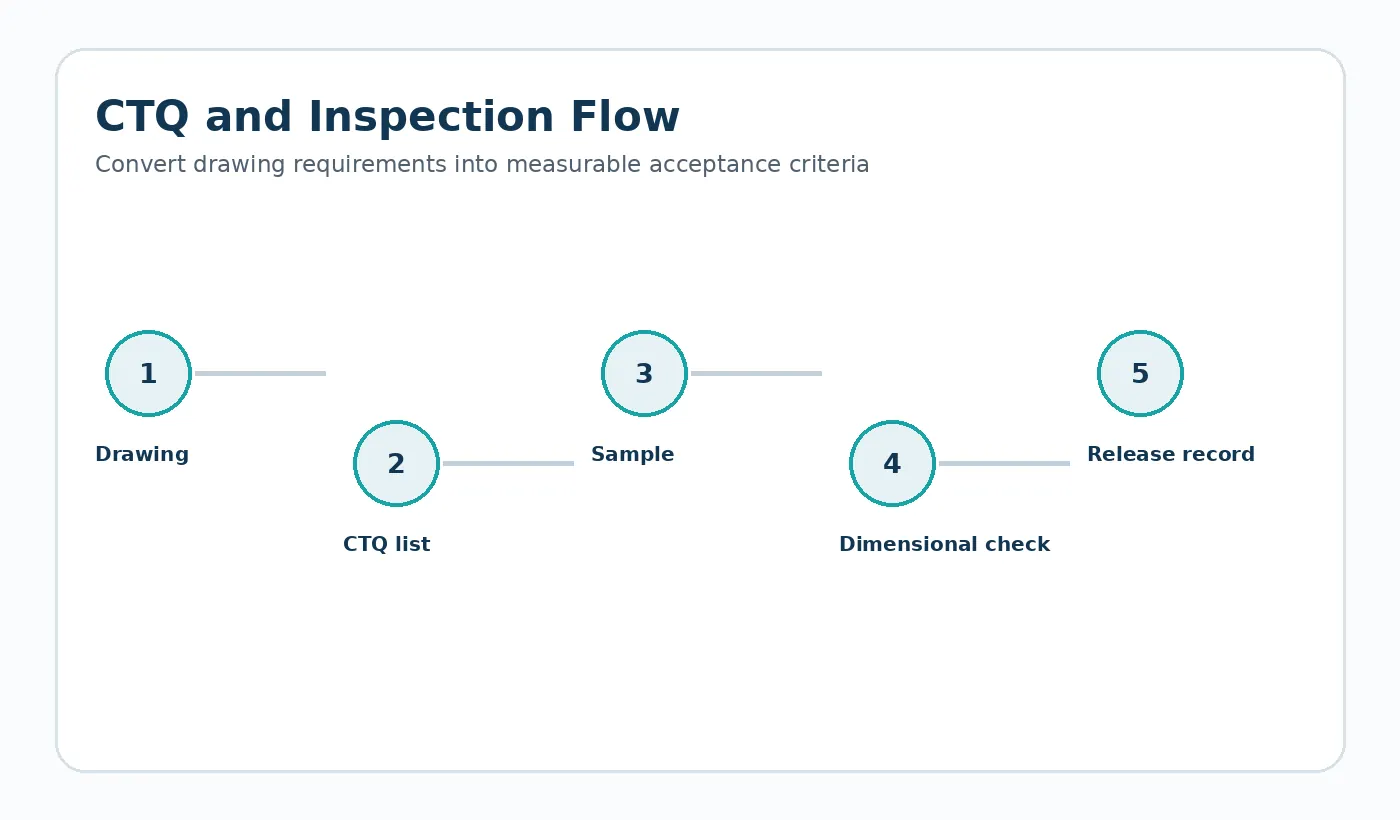
Noise, wear and timing are linked
Changing to a plastic gear can reduce transmitted noise in some mechanisms, but noise is also affected by runout, center distance and tooth contact. A quiet first sample is not enough if the gear wears quickly under the full cycle profile.
Run representative cycling and inspect tooth wear, backlash and shaft/bearing condition together. This helps distinguish a material issue from an alignment or support issue.
Useful RFQ details
- Machine function and cycle rate
- Gear/rack ratio and complete mating geometry
- Permitted lubricant and cleaning chemicals
- Temperature near heaters, sealers or motors
- Required timing/backlash behavior
- Replacement envelope or interchangeability constraints