Frame the problem correctly
Packaging machines combine repeated cycling with tight timing and compact layouts.
Plastic gears can be useful in feeders, indexing modules and adjustment mechanisms when the mesh is aligned and the material suits cleaning and temperature conditions.
Packaging machines frequently combine short acceleration bursts with long operating hours. That creates a different gear duty than steady-speed rotation at the same average torque. Include startup, jam or emergency-stop events when they are realistic. If the equipment is cleaned, identify the chemicals and whether lubricant can be used near the product path. These constraints can change both resin and gear-pair choices.

Geometry, material and duty
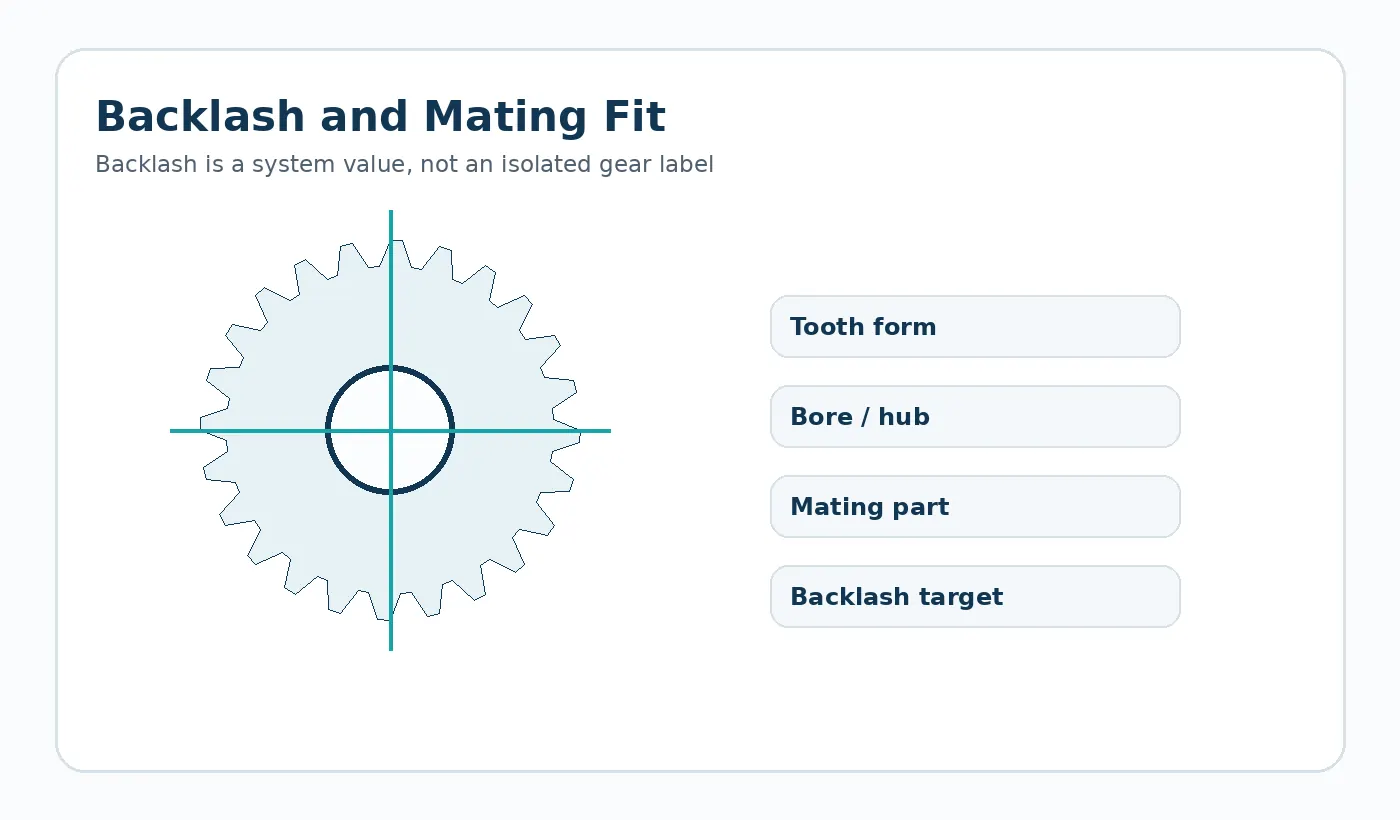
Capture cycle rate, driven inertia, ratio, center distance, cleaning exposure, lubrication and allowable backlash.
Бұл енгізулерді мүмкіндігінше бақыланатын сызбаға, сипаттамаға немесе RFQ қосымшасына салыңыз. Оларды бейресми хабарлама ағындарынан аулақ ұстау жеткізушілерді салыстыруды және кейінгі түзетулерді басқаруды жеңілдетеді.
Where the risk appears
A gear selected only for quiet running may wear quickly if repeated acceleration or chemical washdown was not included in the brief.
First-sample evidence
Approve the gear in the production mechanism at representative cycle conditions.
For Plastic Gears for Packaging Machinery, verify the component across the real travel or duty cycle. Local dimensional checks are useful, but the mechanism-level result should decide whether the design is ready for production.
Production-release notes
Before requesting a price for plastic gears for packaging machinery, identify the current drawing revision, production quantity, material constraint and the feature that most strongly affects function. Ask the supplier to flag any deviation from those inputs in the quotation so technical alternatives stay visible.
Practical design review for this decision
Application review should capture the real duty cycle instead of using only nominal torque. Reversals, indexing, continuous running, nearby heat, dust or washdown can change the design priority. Validate the component in the supported assembly where center distance, alignment and bearing stiffness are representative.
Record the assumptions on the drawing or RFQ so the supplier can confirm them before quoting. When a value is unknown, identify it as an open engineering item rather than copying a generic catalogue number that may not match the assembly.
Verification worksheet
- Motion profile / reversals
- Peak and continuous load
- Speed and duty cycle
- Alignment / support stiffness
- Temperature / contamination / cleaning
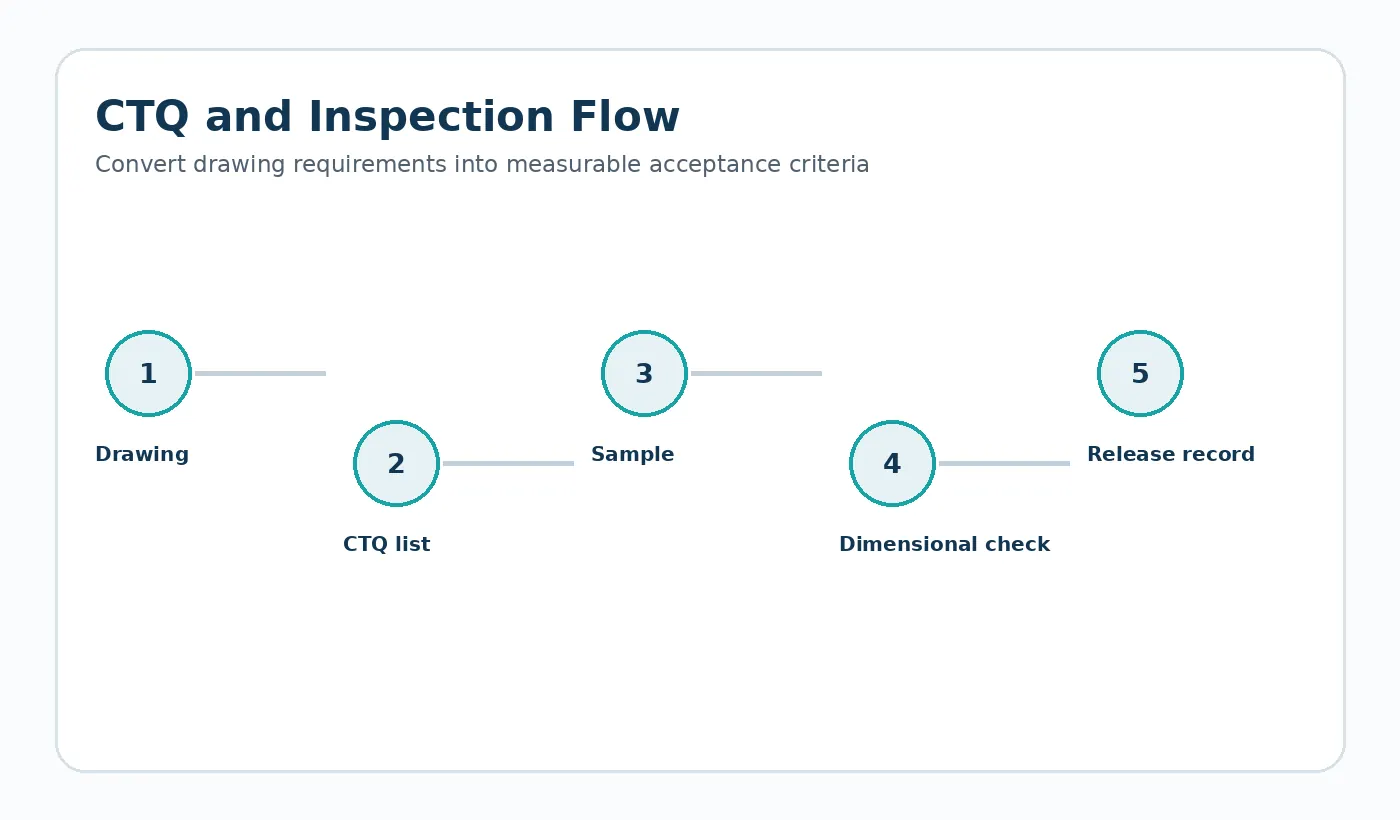
- Functional first-sample test
Use the first sample to close these points with both dimensional evidence and the relevant functional check. Any accepted deviation should be captured in the controlled revision before repeat production.