Scegli una famiglia di prodotti, quindi definisci gli input di controllo.
Il catalogo sottostante è organizzato in base alla geometria dei componenti e all'applicazione, piuttosto che in base ai nomi generici delle resine. Ogni pagina prodotto illustra le dimensioni, le scelte dei materiali e le informazioni di produzione necessarie per un preventivo accurato.
Per un componente esistente, allegare un disegno o un campione di riferimento. Per un nuovo progetto, aggiungere le informazioni relative al componente di accoppiamento e specificare quali dimensioni o caratteristiche di movimento sono critiche.
Percorsi di selezione comuni
Componenti stampati su misura
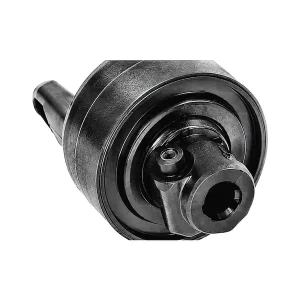
Disegni specifici di alloggiamenti, guide, coperchi, elementi strutturali e meccanismi funzionali.
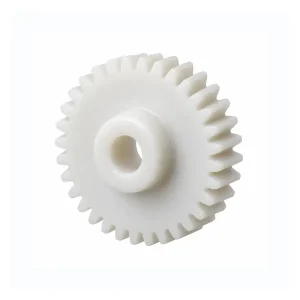
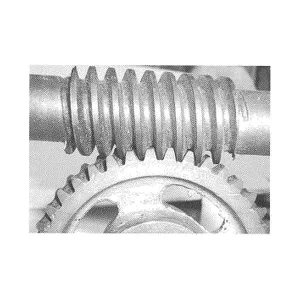
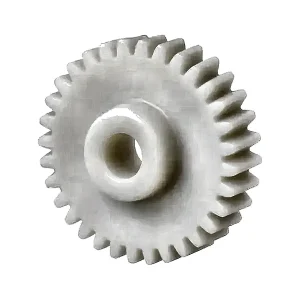
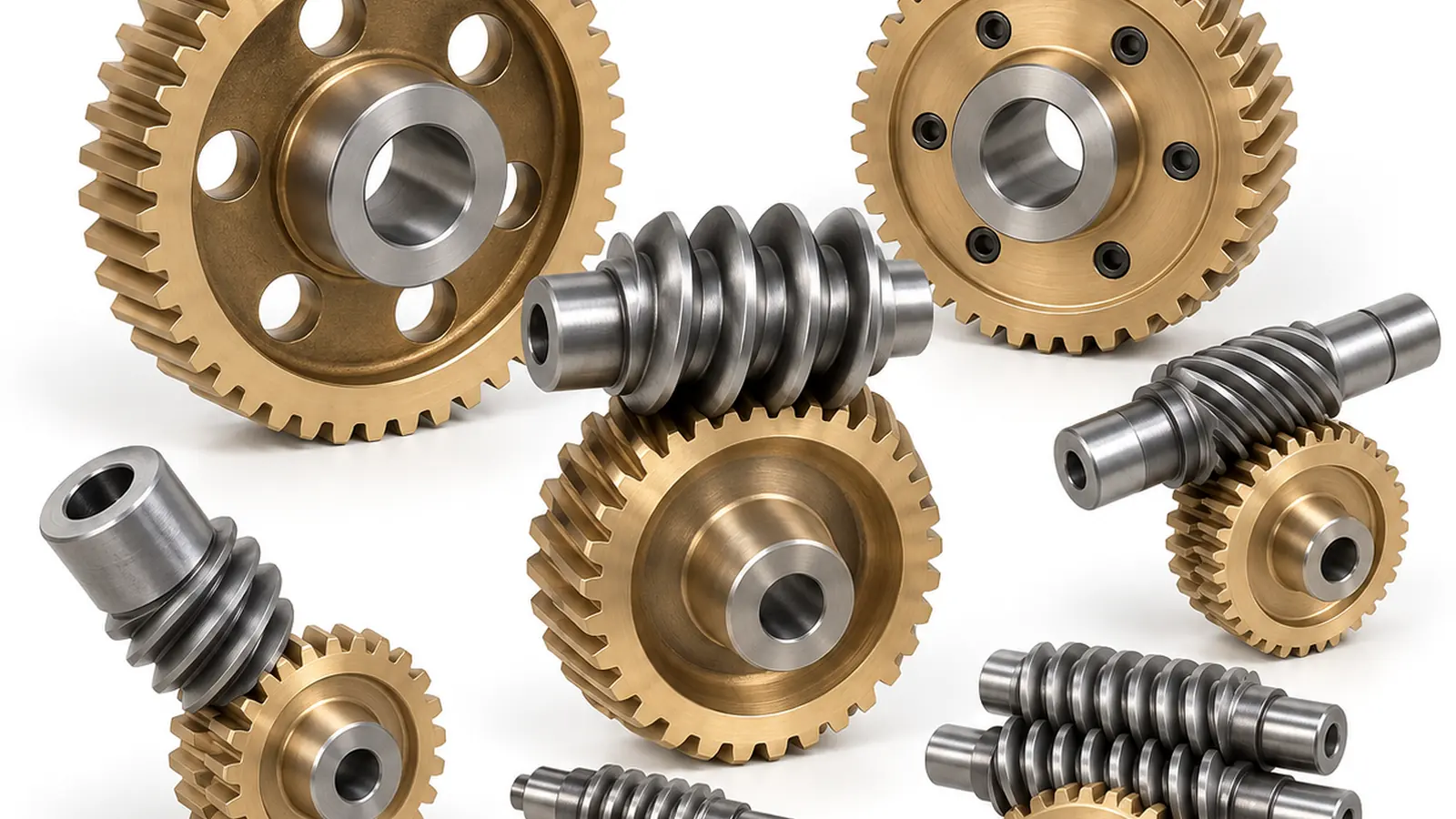
Ingranaggi e cremagliere in plastica
Geometrie a sperone, elicoidali, smussate, a vite senza fine, interne, planetarie e a moto lineare.
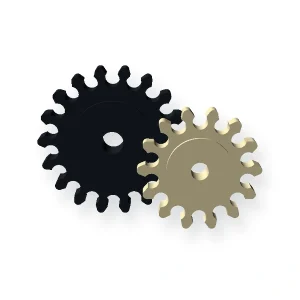
Pignoni in plastica
Componenti della trasmissione a catena selezionati in base a serie della catena, numero di denti, foro, mozzo e ambiente operativo.
How the catalogue is structured
Use geometry as the first filter. A rack, bevel gear, internal gear, worm wheel and chain sprocket can all be made from engineering plastics, but they require different mating information and different assembly datums. The product-family pages therefore start from the mechanical interface instead of presenting a long resin list.
| Starting point | Open this route when… | Bring to the review |
|---|---|---|
| Standard geometry family | The component is recognizably a gear, rack or sprocket. | Tooth or chain system, mate, shaft interface and duty. |
| Custom molded component | The shape is defined by your assembly and cannot be selected from a standard family. | CAD, datums, wall map, inserts, loads, environment and volume. |
| Material-led replacement | A legacy metal or plastic part has a known field problem. | Existing sample, failure mode, mating surfaces and the requirement the new material must solve. |
Do not choose the manufacturing route too early
Injection molding is usually evaluated against annual demand, geometry, tool access, wall design and repeatability needs. Machining can be more practical for lower quantities, larger stock shapes, cast nylon components or projects where geometry is still changing. Some projects combine molding with a controlled secondary bore, datum or insert operation.
The correct route is the one that meets the functional drawing with acceptable process risk and total project cost. Send both quantity and revision status so tooling is not proposed for a design that is still moving.