Compact mechanisms need predictable mesh and assembly fit
Office equipment and electromechanical modules often use small plastic gears because they can integrate hubs, cams and other features while keeping moving mass low. In these mechanisms, bore accuracy, concentricity, tooth quality and the relationship to the molded housing can be more important than headline torque.
Share the complete gear train or at least the mating gear and center distance so tooth geometry and backlash are evaluated in context.
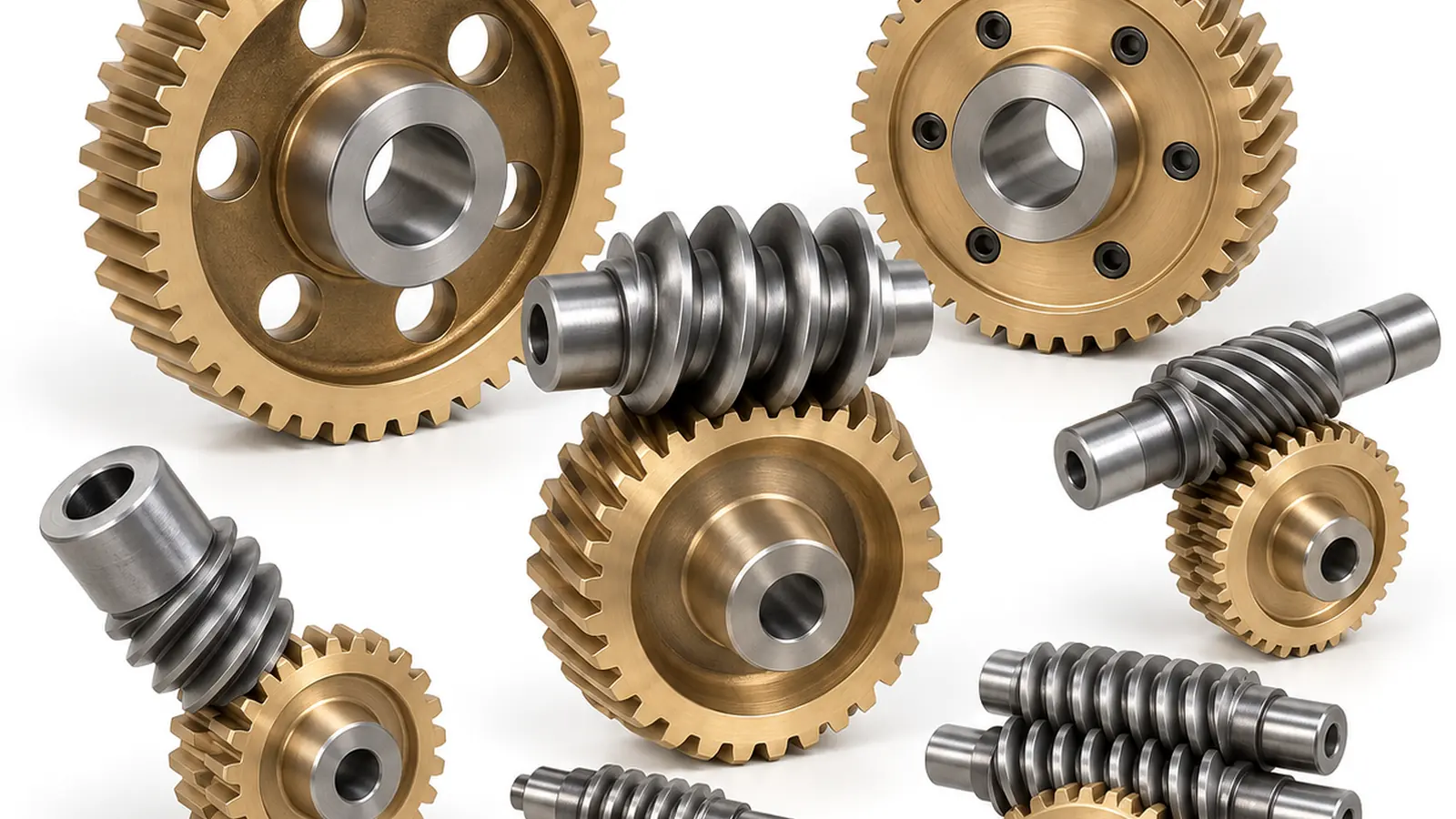
Useful design inputs
- Complete tooth count and module/DP information
- Bore, shaft and retention method
- Center distance and mating gear material
- Noise or positioning sensitivity
- Expected cycle count and duty pattern
- Assembly datums and housing constraints
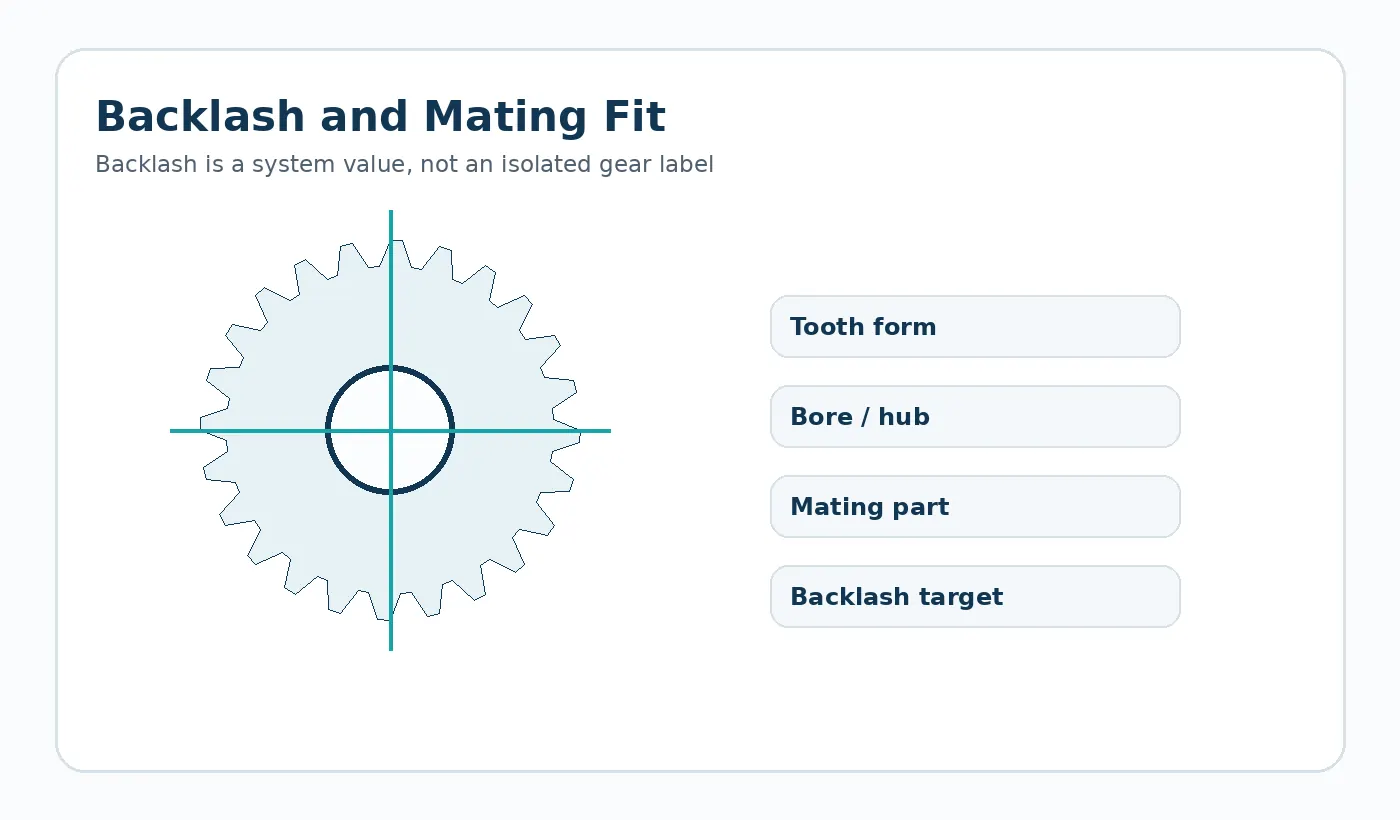
Small gears still need a complete gear definition
Compact office mechanisms often contain several small gears in close proximity. Reverse engineering from outside diameter alone can misidentify module/DP or pressure angle, especially on worn parts. Tooth count, pitch system and center distance should be established together.
Molded hubs, cams or timing features may be integrated with the gear. Their angular relationship can be functional and should be dimensioned from the same datum system as the teeth.
Noise and feel
User-perceived noise can be sensitive to runout, tooth variation and housing resonance. Material choice contributes, but it is not the only control. Compare the complete gear train and housing support before changing resin to solve an acoustic issue.
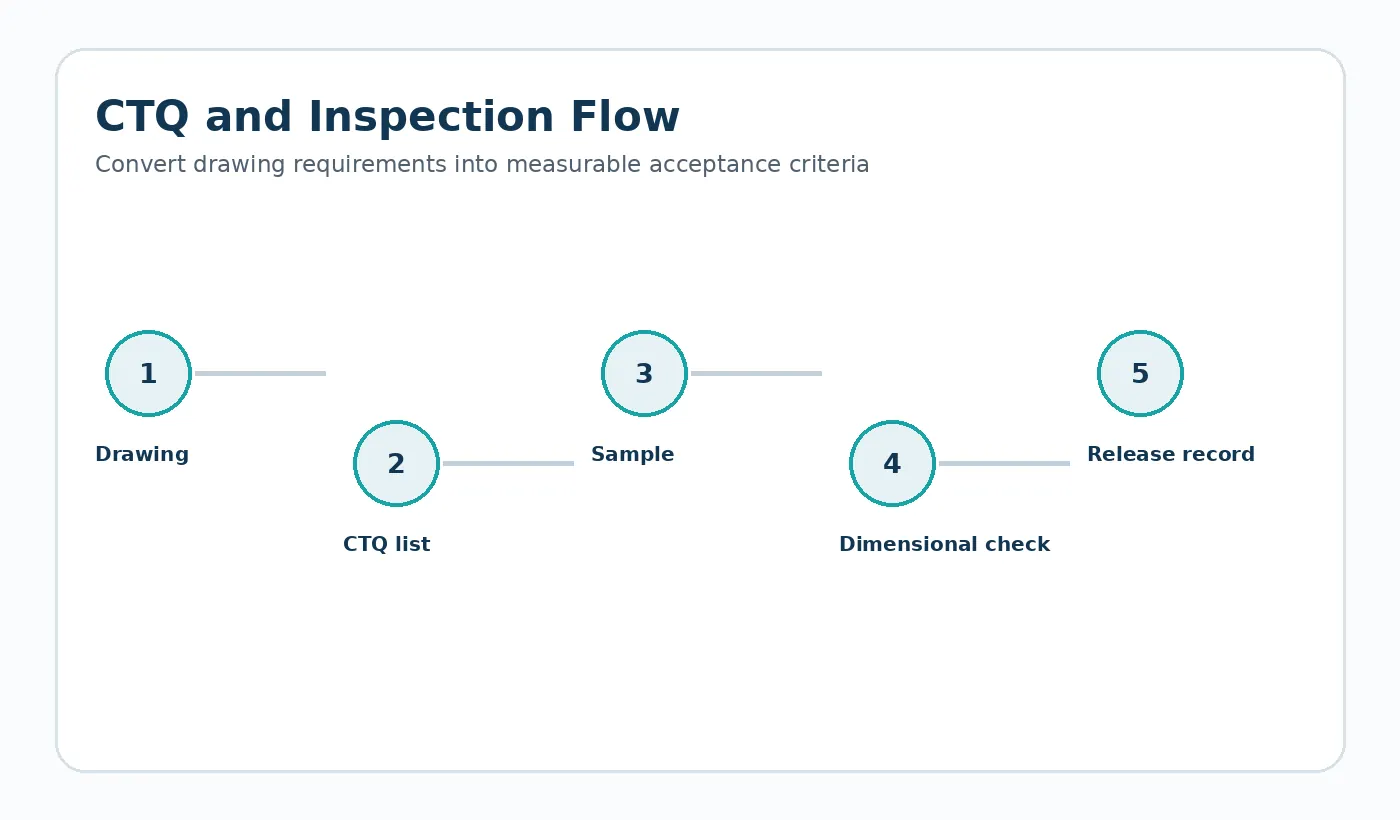
Sample approval can include an assembled sound/feel check alongside gear measurements when the product requirement is genuinely perceptual.
Replacement information to capture
- All tooth counts in the local gear train
- Shaft center distances and bearing locations
- Bore/hub geometry and retention method
- Integrated cams, flags or timing features
- Expected cycle life and noise sensitivity
- Interchangeability with the existing housing