Frame the problem correctly
Nylon gears should be dimensioned with moisture conditioning in mind.
Nylon absorbs moisture from the environment; this can change dimensions and mechanical behavior. The relevant condition depends on grade, part thickness, humidity and exposure.
Moisture conditioning is also a logistics issue. A nylon gear can leave production in one state, spend days in sealed packaging, then enter a humid machine environment. If the fit is sensitive, the drawing and inspection report should identify the conditioning basis so receiving inspection is not comparing unlike states. For replacement parts, measure the service-aged component cautiously because wear and moisture may both influence its dimensions.
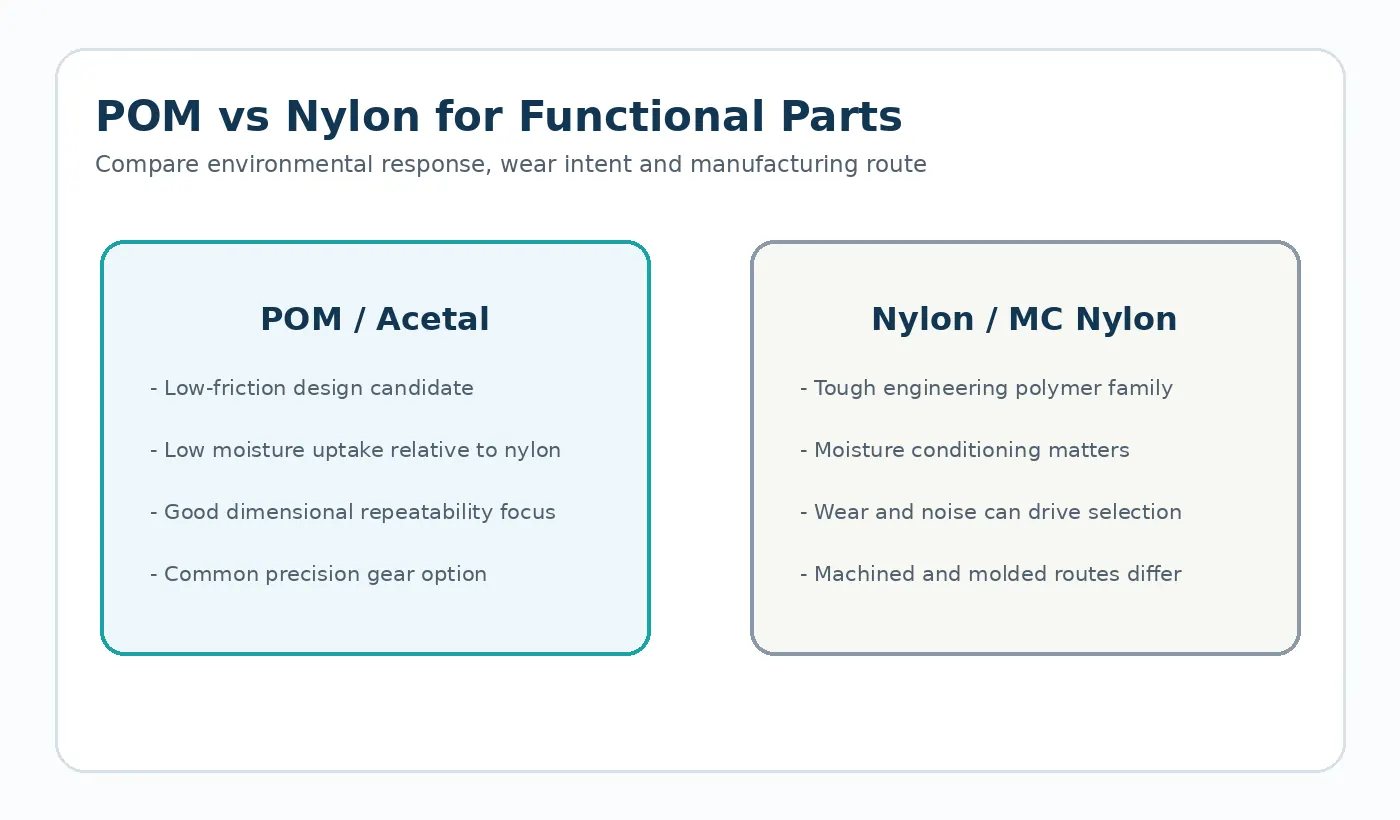
Geometry, material and duty
State the nylon grade, operating humidity or water exposure, critical bore/mesh dimensions and the condition in which inspection is to be performed.
Put these inputs on the controlled drawing, specification or RFQ attachment where possible. Keeping them out of informal message threads makes supplier comparisons and later revisions easier to manage.
Where the risk appears
A gear inspected dry and installed into a humid mechanism can show a different bore or tooth relationship later.
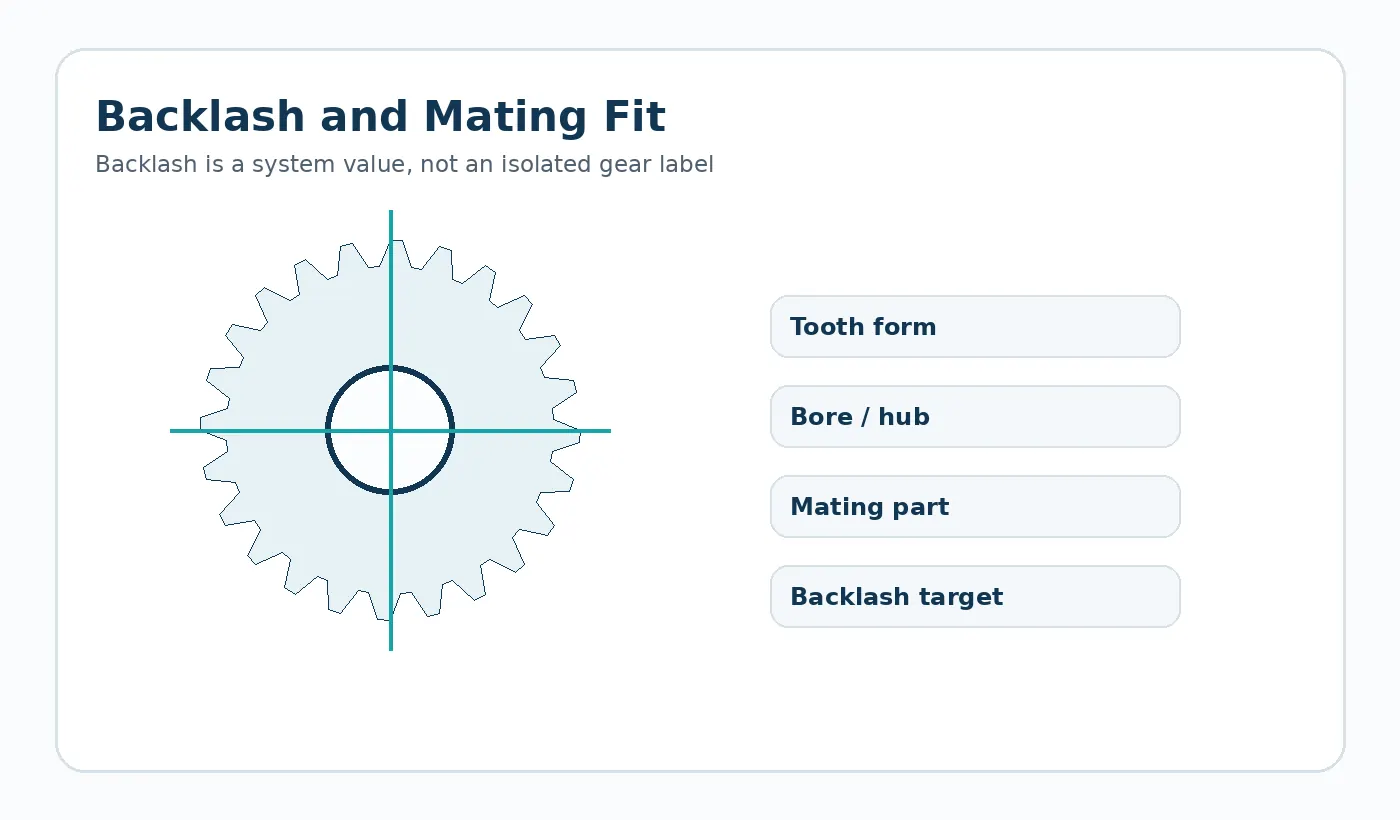
First-sample evidence
Agree the conditioning state for drawing dimensions and evaluate service backlash with that state in mind.
For Moisture Effects on Nylon Gears, record the exact material grade and conditioning/environment used during validation. Material names alone are too broad for a repeat-production acceptance record.
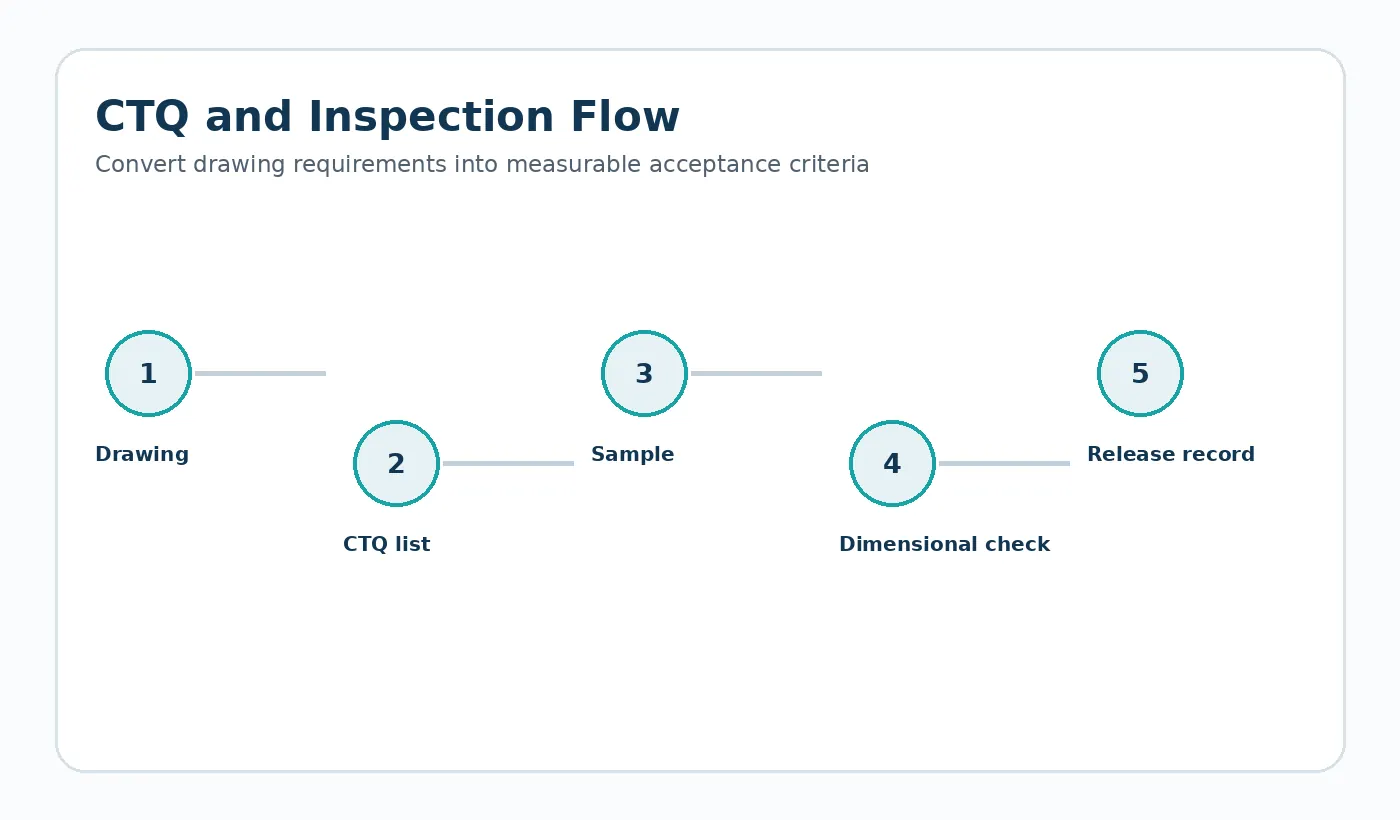
Production-release notes
Before requesting a price for moisture effects on nylon gears, identify the current drawing revision, production quantity, material constraint and the feature that most strongly affects function. Ask the supplier to flag any deviation from those inputs in the quotation so technical alternatives stay visible.
Practical design review for this decision
Engineering plastics can change dimensions and stiffness with environment. Thermal expansion is generally more significant than for metals, and nylon families can also absorb moisture. Define the service range and the inspection condition so the drawing does not approve a part in one state and reject it in another.
Record the assumptions on the drawing or RFQ so the supplier can confirm them before quoting. When a value is unknown, identify it as an open engineering item rather than copying a generic catalogue number that may not match the assembly.
Verification worksheet
- Minimum / maximum operating temperature
- Humidity, water or washdown exposure
- Conditioning state for inspection
- Mating material and clearance
- Bore or press-fit sensitivity
- Validation after representative conditioning
Use the first sample to close these points with both dimensional evidence and the relevant functional check. Any accepted deviation should be captured in the controlled revision before repeat production.