Engineering context
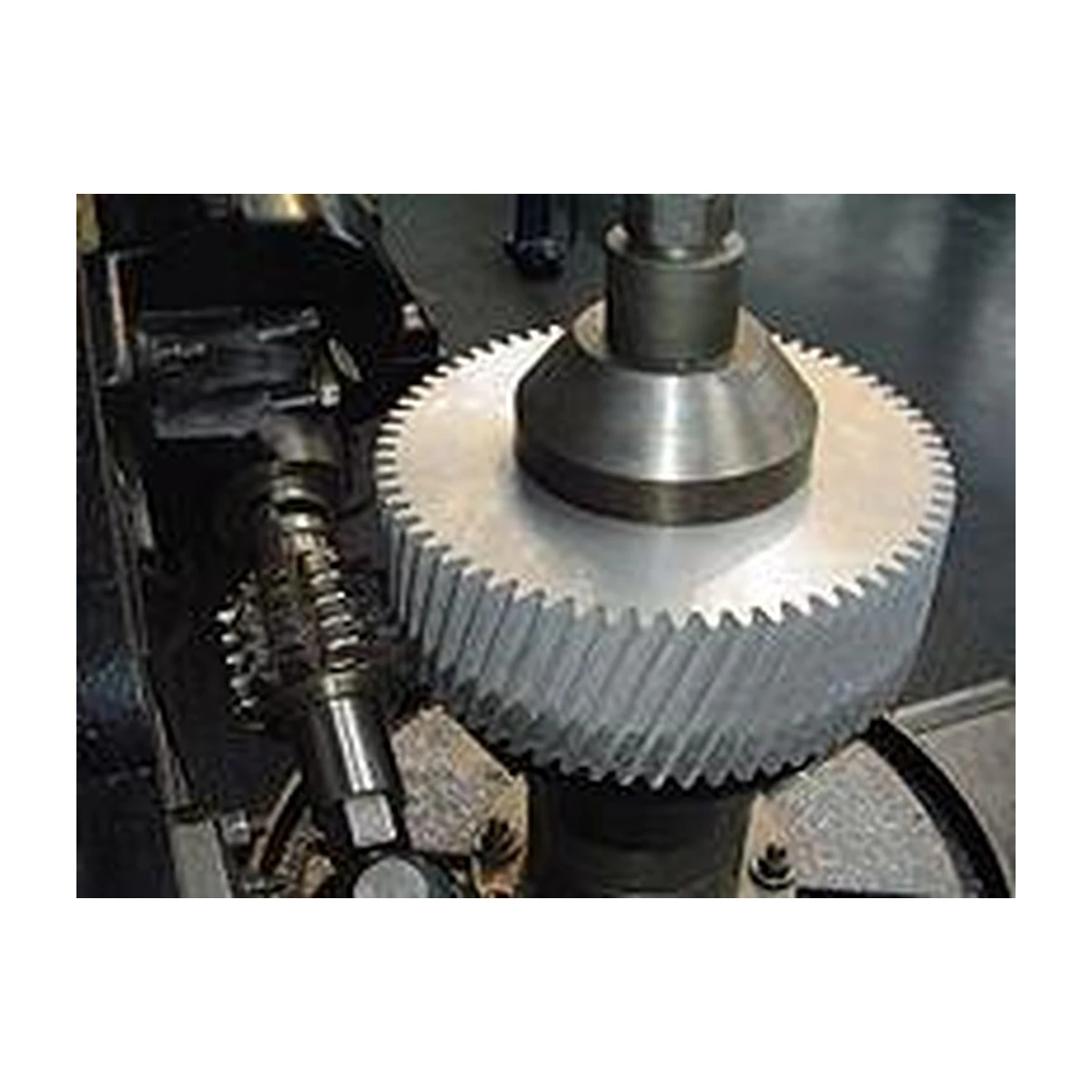
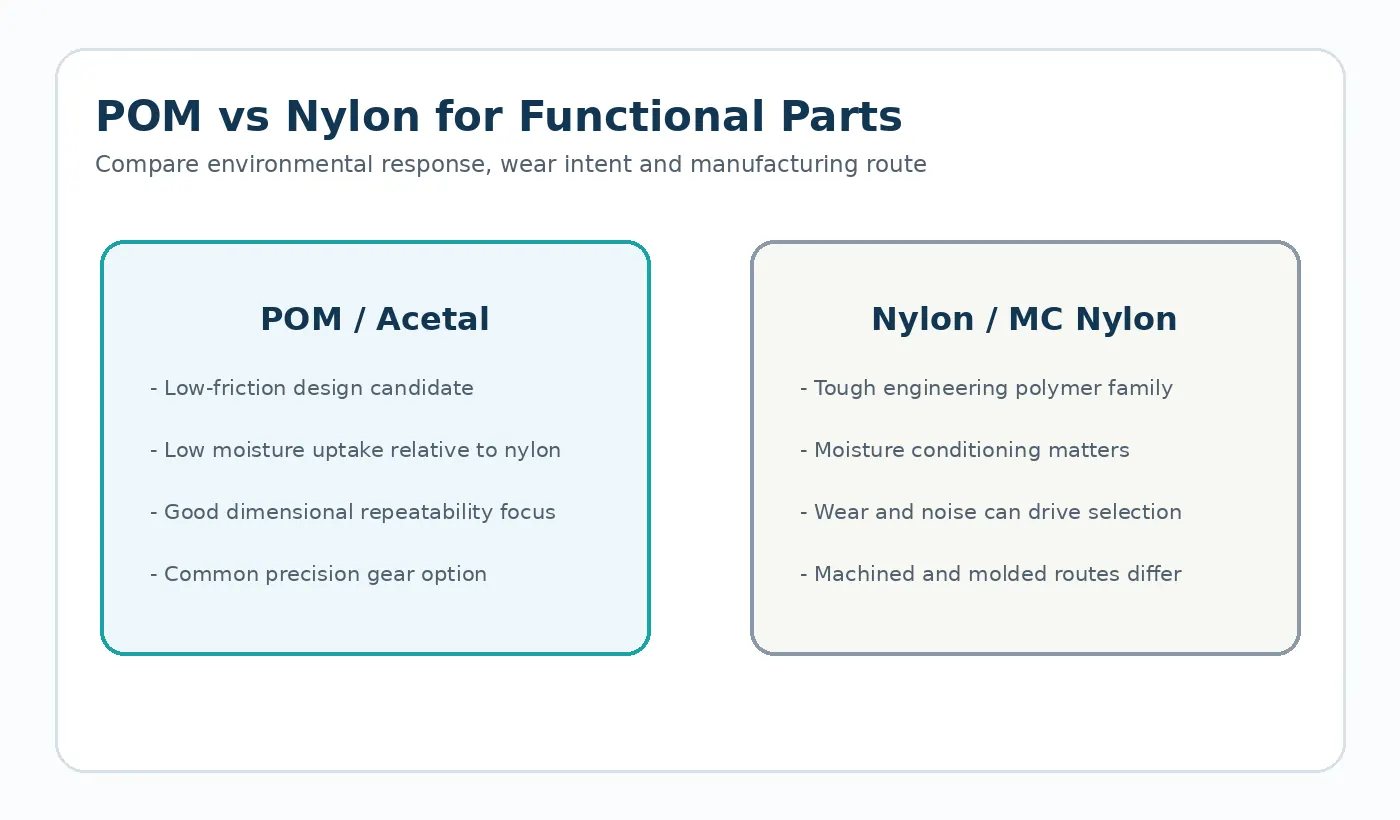
MC nylon is often considered for larger machined gears, but dimensional conditioning and the operating environment need explicit review.
Cast nylon stock can be machined into large gear geometries without dedicated molding tooling. Moisture uptake, temperature and machining stress can affect finished dimensions.
Large MC nylon gears may run on keyed steel shafts and may be installed in environments where humidity changes seasonally. That combination makes hub design and backlash allowance important. Consider how the gear will be bored, keyed and clamped, and whether the finished part has time to stabilize before final inspection. For very large diameters, handling and storage support can also influence apparent runout.
What the drawing needs to communicate
Provide gear size, tooth form, bore/keyway, mating material, load, speed, lubrication and humidity/temperature conditions.
Put these inputs on the controlled drawing, specification or RFQ attachment where possible. Keeping them out of informal message threads makes supplier comparisons and later revisions easier to manage.
Risk review
Using a dry inspection result as the only acceptance criterion can be misleading where service moisture is much higher.
Sample acceptance
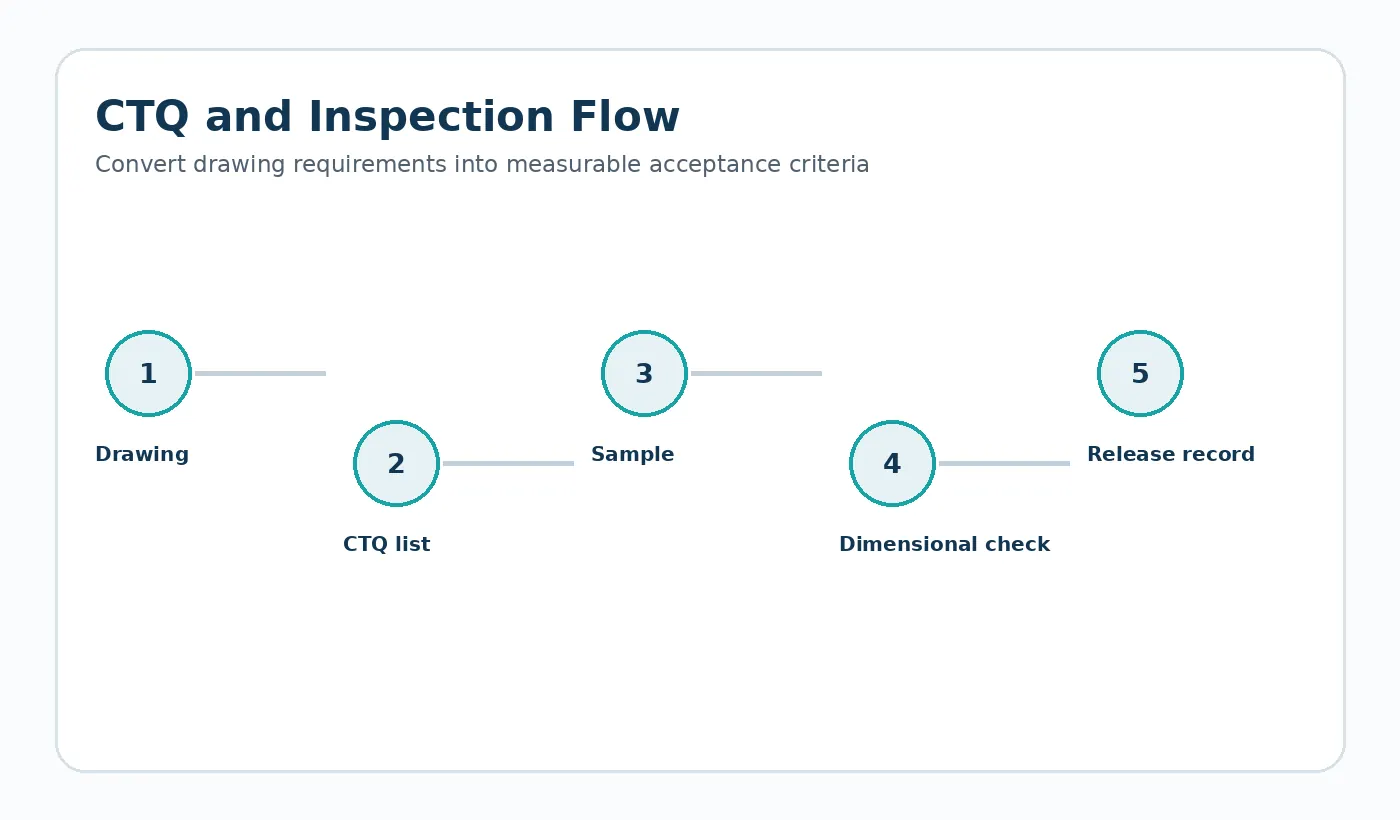
Define conditioning and inspection conditions and verify backlash in a representative assembly.
For MC Nylon Gear Selection Guide, record the exact material grade and conditioning/environment used during validation. Material names alone are too broad for a repeat-production acceptance record.
From design review to RFQ
Before requesting a price for mc nylon gear selection guide, identify the current drawing revision, production quantity, material constraint and the feature that most strongly affects function. Ask the supplier to flag any deviation from those inputs in the quotation so technical alternatives stay visible.
Practical design review for this decision
Material selection should connect the polymer to the function and manufacturing route. Review temperature, moisture, chemicals, stiffness, wear pair, dimensional stability and exact grade requirements. A material that performs well in isolation can still be a poor choice when the mating surface or inspection condition is different.
Record the assumptions on the drawing or RFQ so the supplier can confirm them before quoting. When a value is unknown, identify it as an open engineering item rather than copying a generic catalogue number that may not match the assembly.
Verification worksheet
- Service temperature
- Moisture / chemical exposure
- Load and stiffness need
- Wear pair / lubrication
- Dimensional-stability priority
- Exact grade or approved substitution limits
Use the first sample to close these points with both dimensional evidence and the relevant functional check. Any accepted deviation should be captured in the controlled revision before repeat production.