Start from the mechanism
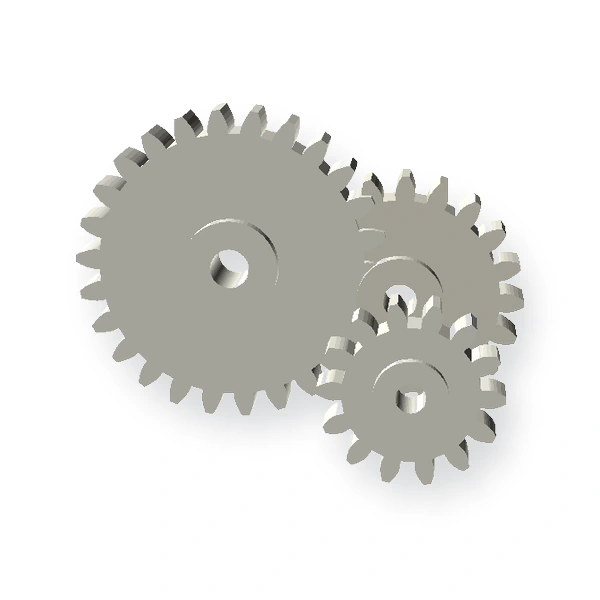
POM gear selection should start with service conditions and mating geometry, then narrow to a resin grade and process.
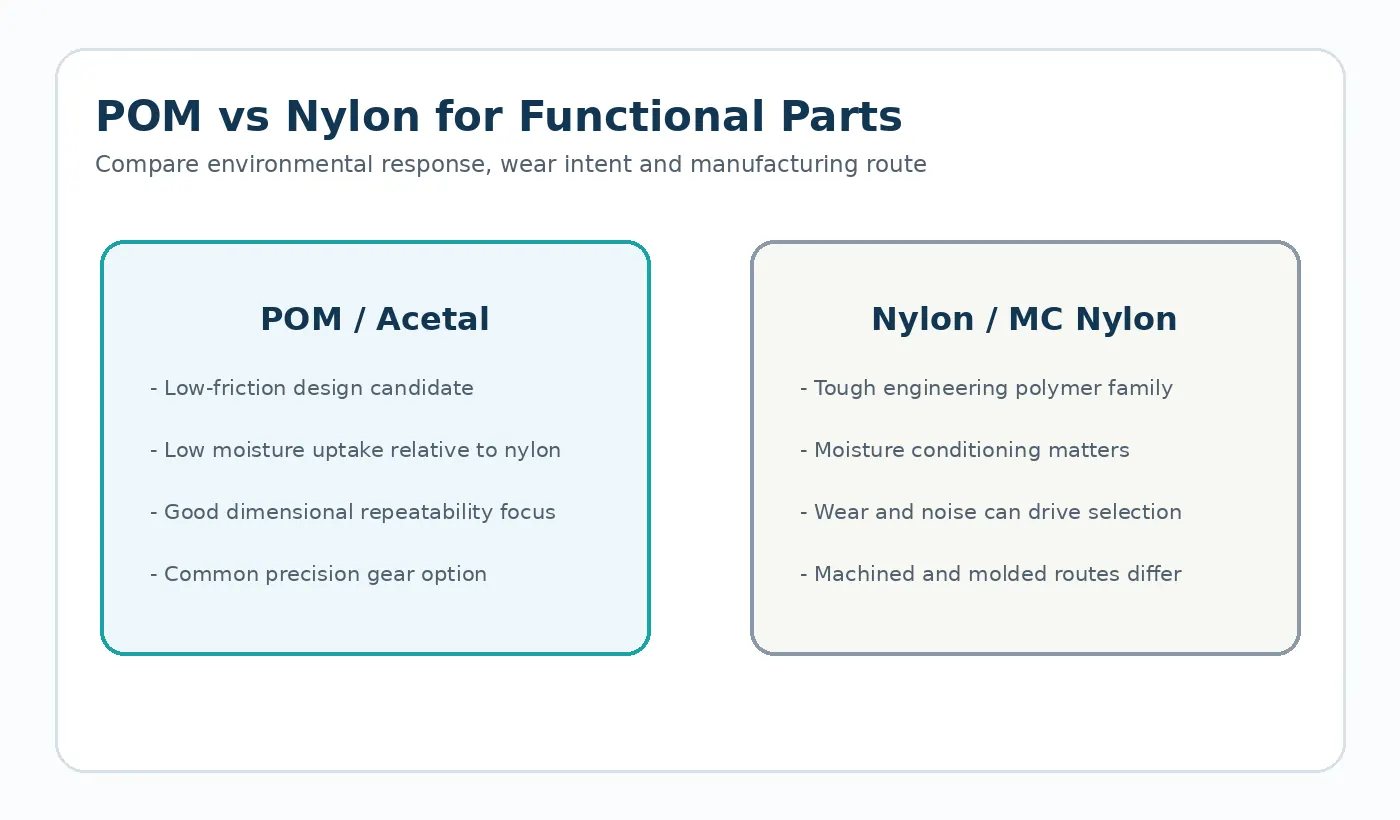
POM grades vary in viscosity, additives and reinforcement. The base polymer name alone does not fix wear behavior or dimensional performance.
When comparing POM grades, ask whether the application needs unfilled dimensional stability, lower friction additives, reinforcement or a particular regulatory characteristic. Each change can affect shrinkage and tooth surface behavior. If the mating gear is metal, a rough or damaged flank can overwhelm small differences between POM formulations. Inspect the mate before attributing wear solely to the plastic grade.
Inputs to freeze before quotation
List the gear geometry, mating material, load, speed, temperature, chemical exposure, lubrication and production quantity.
Put these inputs on the controlled drawing, specification or RFQ attachment where possible. Keeping them out of informal message threads makes supplier comparisons and later revisions easier to manage.
What can invalidate the assumption
Selecting a grade only because it worked in another gear can miss a different load, temperature or wear pair.
Verification strategy
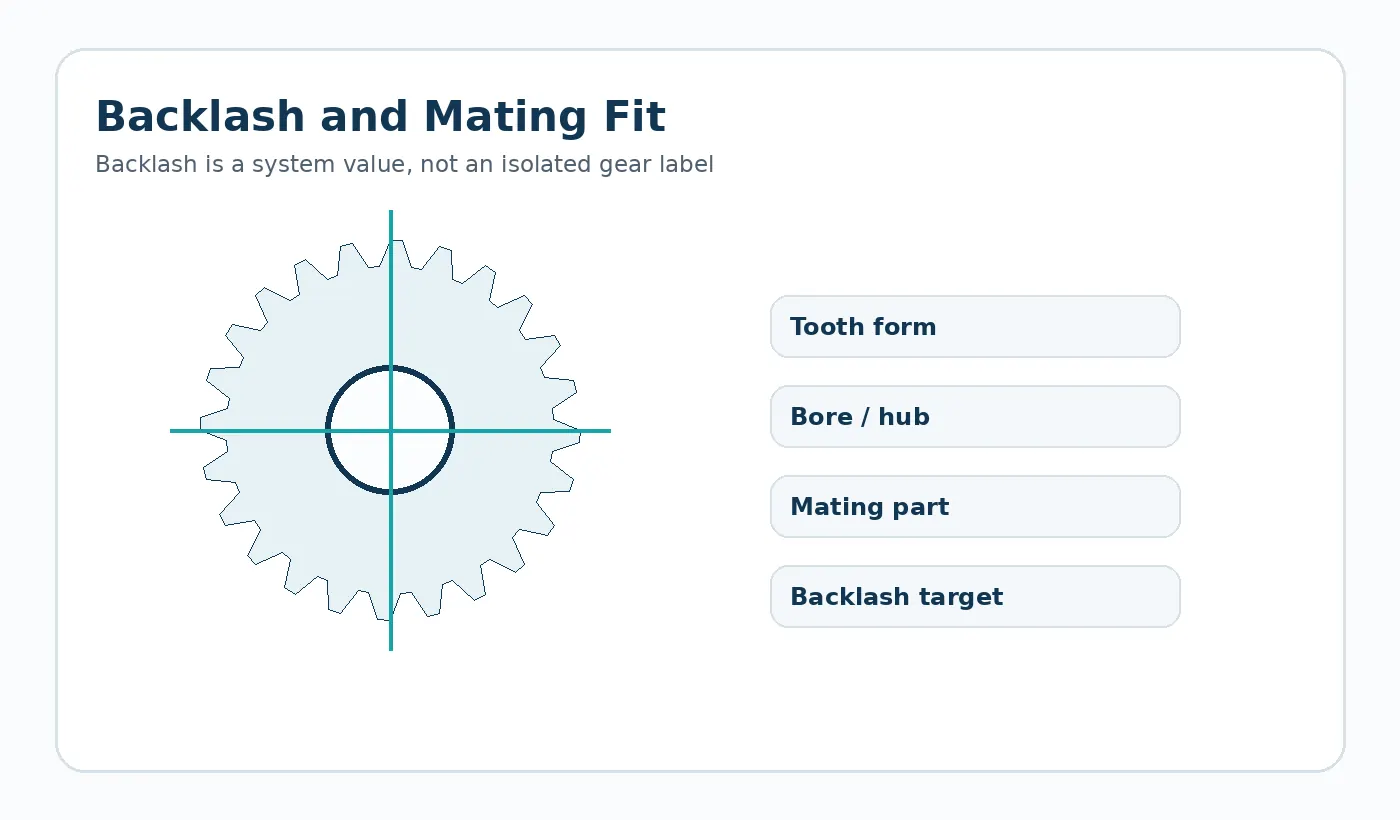
Test the chosen grade in the intended mesh if noise, life or backlash is critical.
For POM Gear Selection Guide, record the exact material grade and conditioning/environment used during validation. Material names alone are too broad for a repeat-production acceptance record.
Procurement checklist
Before requesting a price for pom gear selection guide, identify the current drawing revision, production quantity, material constraint and the feature that most strongly affects function. Ask the supplier to flag any deviation from those inputs in the quotation so technical alternatives stay visible.
Practical design review for this decision
Material selection should connect the polymer to the function and manufacturing route. Review temperature, moisture, chemicals, stiffness, wear pair, dimensional stability and exact grade requirements. A material that performs well in isolation can still be a poor choice when the mating surface or inspection condition is different.
Record the assumptions on the drawing or RFQ so the supplier can confirm them before quoting. When a value is unknown, identify it as an open engineering item rather than copying a generic catalogue number that may not match the assembly.
Verification worksheet
- Service temperature
- Moisture / chemical exposure
- Load and stiffness need
- Wear pair / lubrication
- Dimensional-stability priority
- Exact grade or approved substitution limits
Use the first sample to close these points with both dimensional evidence and the relevant functional check. Any accepted deviation should be captured in the controlled revision before repeat production.