Engineering-led support for molded parts and plastic drive components
Korea Ever-Power Injection Molded Parts Co., Ltd. supports drawing-led industrial plastic component projects from initial selection through production quotation. The product scope includes custom injection molded parts, plastic gears, gear racks, sprockets and related functional components.
Our project pages emphasize the information a buyer needs to communicate: geometry, mating components, resin constraints, production quantity, operating environment and acceptance criteria. This keeps the discussion centered on the actual part rather than on generic capability claims.
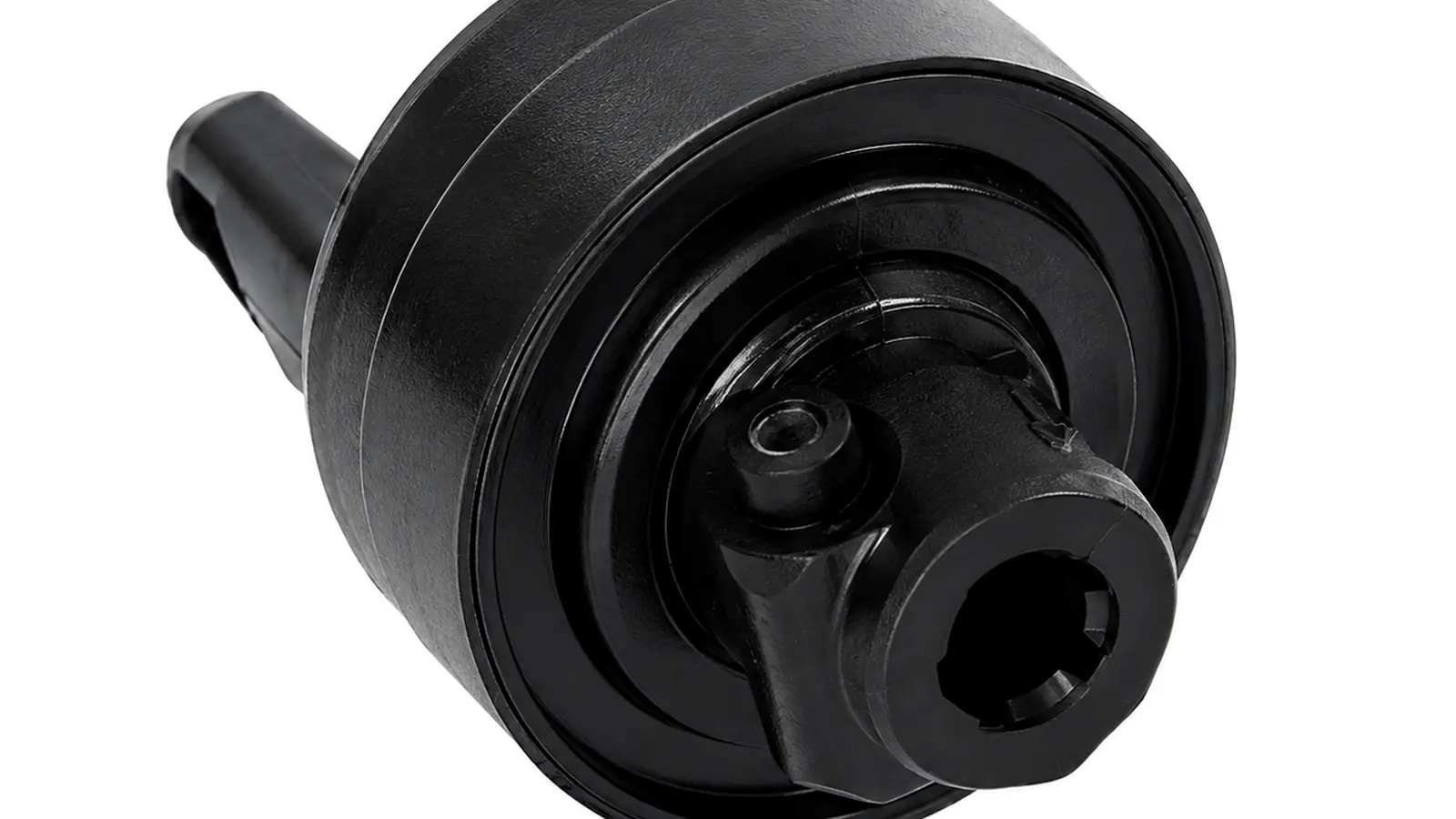
How projects are reviewed
Product-family projects
Start from the relevant gear, rack or sprocket family and confirm the exact geometry and material.
Drawing-specific projects
Send CAD, the latest 2D drawing and the application conditions that affect manufacturability or fit.
Replacement parts
Provide the existing drawing or sample, identify any known failure mode and state whether interchangeability is required.
What the product scope covers
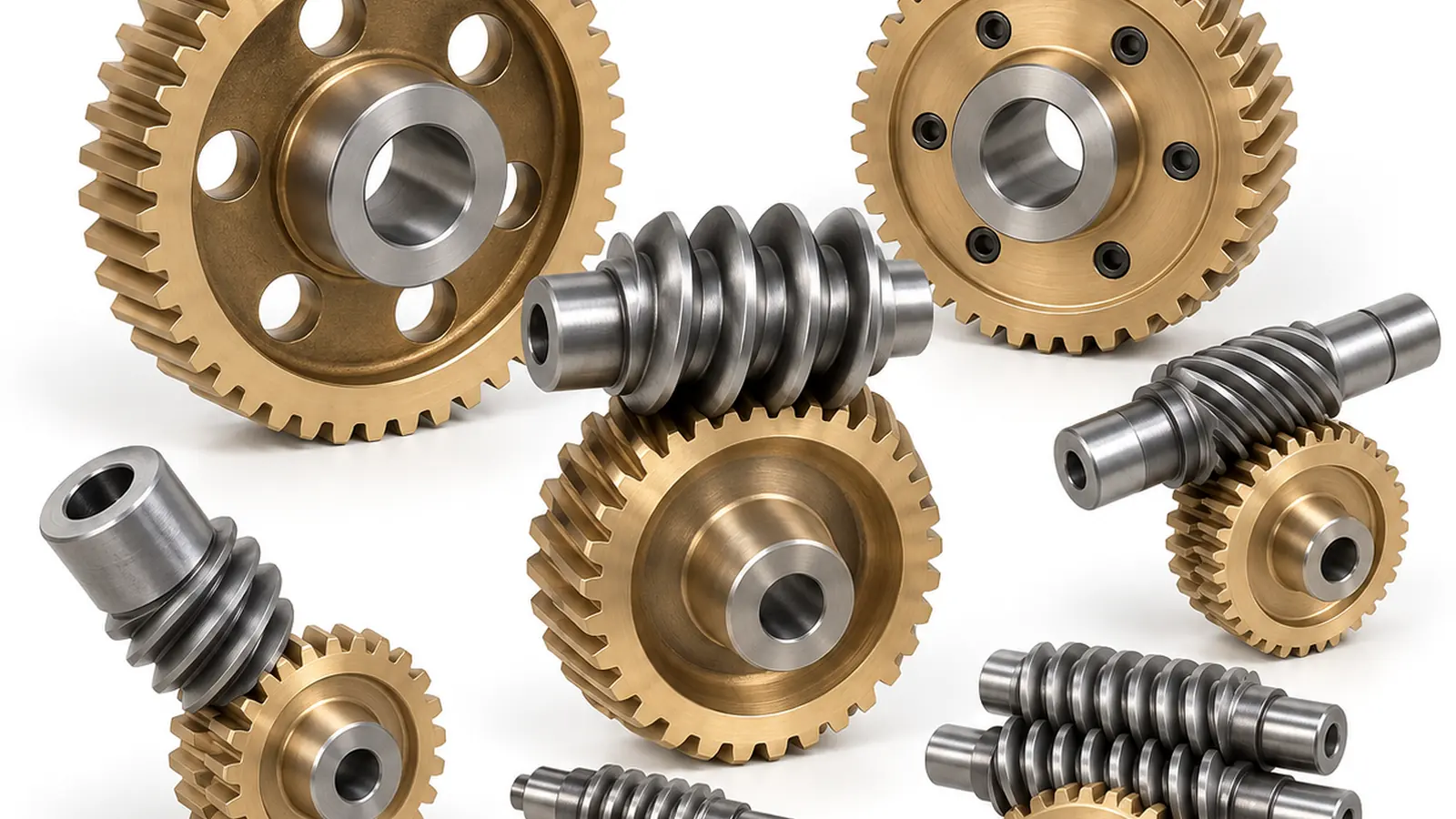
The catalogue is centered on components that sit inside mechanical and electromechanical assemblies: custom molded plastic parts, spur/helical/bevel/worm/internal/planetary gear forms, gear racks and chain sprockets. Some projects fit a defined family; others are supplied entirely from a customer drawing.
Product pages are organized around quotation inputs rather than consumer-style pricing. This is deliberate because the same product name can describe many tooth forms, bores, materials and production routes.
What we avoid claiming without project evidence
Material, tolerance and process capability are project-specific. We do not treat a generic resin property or a nominal gear family as proof that a particular drawing is manufacturable. Technical review is based on the geometry and application conditions supplied for that project.
Where a specification, certification or inspection method is mandatory, it should be stated in the RFQ so it can be confirmed before quotation and production release.
A straightforward way to start
Send the latest drawing and state what the component does in the assembly. For a gear, identify the mate and center distance. For a molded housing, identify critical datums, inserts and cosmetic zones. For a sprocket, identify the chain. This shortens the path from product identification to an engineering-relevant quotation.
Engineering scope and project boundaries
The site is organized around custom injection molded parts and functional plastic drive components: gears, racks, sprockets, housings and drawing-specific mechanisms. The engineering workflow is designed to connect the buyer’s drawing and machine interface to a practical material, production and inspection route.
Published catalogue pages are application and RFQ guides rather than promises that every geometry is stocked. Dimensions, material grades, tooling route and production capability are confirmed against the actual drawing. This distinction avoids presenting generic data as if it were an approved specification for every project.
What an engineering-led supplier relationship should provide
For custom functional plastics, the deliverable is more than a molded shape. The project should preserve the controlled drawing revision, material requirement, approved sample state and the inspection characteristics that matter to the assembly. When a design change is requested, the effect on tooling, mating parts and approved CTQs should be reviewed rather than treated as a cosmetic update.
The site is therefore organized around product families, applications, engineering guidance and RFQ preparation. Product pages explain what must be specified; application pages explain why the operating context matters; engineering pages explain the decisions that connect CAD to a repeatable part. This structure is intended to help engineers and sourcing teams reach a more complete first review.
Drawing control
Use the current revision as the common definition for quotation, DFM, sample inspection and repeat orders.
Application context
Keep load, environment, mating geometry and service conditions visible when materials or processes are changed.
Acceptance clarity
Agree CTQs and functional checks before sample approval so production expectations are not reconstructed later.